
Livraison le jour même ou le lendemain

Qualité garantie

Débloquez vos offres de bienvenue: Livraison GRATUITE | Jusqu'à -80 % | 30 jours d'essai gratuits à JoyPlus
Téléchargez l'application
Fueled by the Korean cultural wave, the grilled seaweed snack has become a go-to choice for snack time. Light, flavorful, and far more original than traditional crisps, this snack, also known as gim, has already won over many palates. But be warned: not all crispy sheets are created equal. To help you see things more clearly, here are the pitfalls to avoid and the essential criteria to check before you buy.
With an ever-expanding range of options, it's easy to get lost. Here are the most common disappointments and our tips for avoiding them.
To make sure you're making the right choice, keep these three criteria in mind.
The quality of the gim (seaweed) is the starting point. The sheets should be thin and uniform. The cooking method has a direct impact on the texture and calorie count. Simply grilled seaweed is generally lighter and less oily than fried versions. A quick look at the ingredients list will tell you about the preparation method.
The seasoning makes all the difference. Classic versions are enhanced with sesame oil and a hint of salt. For something more original, options like bulgogi-flavored seaweed crisps offer a quintessentially Korean taste experience, with sweet and savory notes. Opt for recipes based on natural spices and flavors, and steer clear of flavor enhancers.
Packaging is key to preserving crispiness. Individual packets are perfect for an on-the-go snack and guarantee optimal freshness with every opening. For family-sized packs, make sure the bag is resealable and opaque to protect the sheets from moisture and light.
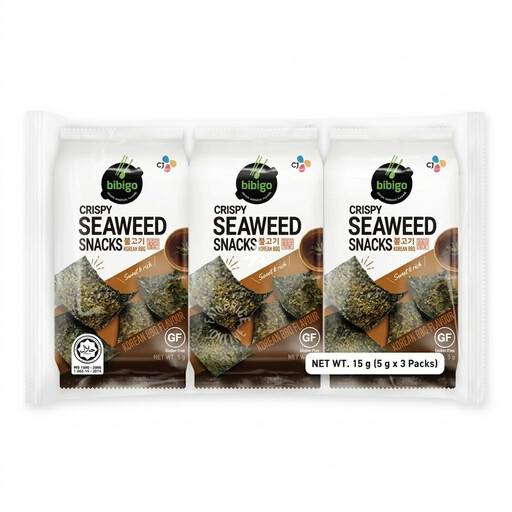
Why we chose it: It's the perfect entry point to discovering an iconic Korean taste. Bibigo is a benchmark brand, and this Bulgogi flavor is a sure thing for diving into the world of bibigo seaweed snacks.
The precise and balanced Bulgogi seasoning avoids the "too salty" or artificial flavor trap. The mini-pack format is a guarantee of crispiness down to the last bite.
A sweet and savory Korean barbecue flavor that stands out from the ordinary. The individual portions are perfect for a Korean appetizer without overindulging.
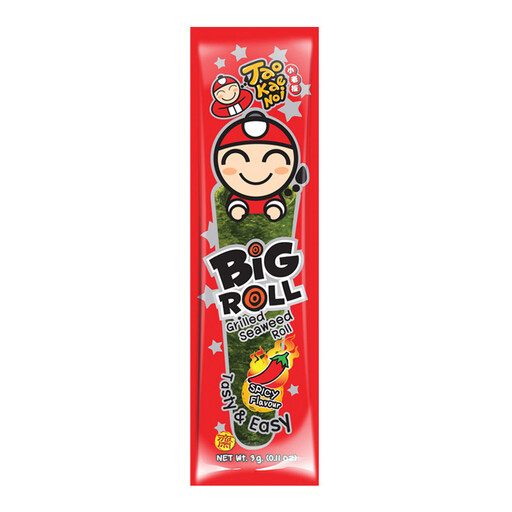
Why we chose it: Perfect for a quick break, at the office, or on the move. Its roll format is not only fun but also super practical: you can eat it without getting your fingers messy. A modern alternative to the classic sheet.
Its rolled shape is designed for maximum crispiness. The 3g individual packaging is the best insurance against moisture, the sworn enemy of texture.
An original and truly clever format. The spicy touch enhances the flavor without being overpowering, making it accessible to a wide audience.

Why we chose it: For anyone who finds classic seaweed sheets a bit too light. This "sandwich-style" snack offers more bite and a wonderful aromatic complexity thanks to the sesame seeds.
Its strength lies in its multi-layered structure. The enjoyment comes not just from the seaweed sheet, but from the combination with a crunchy sesame filling.
An incredibly satisfying dual texture. The sweet and savory blend (maltose and sesame) pairs perfectly with the umami notes of the seaweed.
Asia is full of snacking treasures beyond seaweed. We have selected other gems for you that meet the same high standards.
The secret: keep them away from air and moisture. Ideally, store them in their original, well-sealed packaging in a dry cupboard. If the bag isn't resealable, quickly transfer the remaining sheets to an airtight container. In any case, once the pack is open, it's best not to wait too long to finish it!
They can be an interesting alternative to traditional crisps, as seaweed is rich in minerals like iodine. However, pay attention to the composition: the salt and fat content can quickly add up depending on the recipe (grilled or fried) and seasoning. The best practice: take a look at the nutritional information table on the package.
The terms 'gim' (?) in Korean and 'nori' (海苔) in Japanese both refer to edible seaweed sheets, often from the same variety. The main difference lies in the preparation and use. The Korean gim snack is typically thinner, grilled with sesame oil and salt, and meant to be eaten as is. Japanese nori, especially the kind used for sushi, is generally thicker, simply dried, and unseasoned, so as not to overpower the flavor of the other ingredients in a maki or sushi roll.