Joybuy Insights

Korean Seaweed Snacks: A Buyer’s Guide and Top Picks

The Korean Wave, or Hallyu, has swept far beyond K-pop and TV dramas. It has made its way to our tables, bringing unique flavours and new culinary habits with it. Among the most addictive gems to emerge is the Korean seaweed snack, or gim, which has become a game-changer for appetisers. But with a market that's exploding with options, it can be hard to choose.

Don't worry, we're here to guide you. From selection criteria, textures, and flavours to our favourite products, follow this guide to find the perfect seaweed snack for you.

How to Choose Your Korean Seaweed Snack?

To find the perfect one, you just need to know the few criteria that make all the difference.

Texture: Thin Sheet or Crispy Chip?

When it comes to snacks, mouthfeel is everything. There are two main families to choose from:

  • Roasted Seaweed Sheets (Gim-gui): These are very thin sheets of nori seaweed snack, simply roasted and oiled. Incredibly light, they are crisp and melt on the tongue. This is the most authentic and common version.
  • Seaweed Crisps (Gim-bugak): Thicker and more robust, these seaweed crisps are often coated with a thin layer of glutinous rice paste before being fried. The result: a super-sized crunch and a much more substantial chew, reminiscent of potato chips.

Flavour: From Classic to Spicy

The seasoning is what gives each snack its unique character.

  • Classic: Most snacks are simply seasoned with a dash of sesame oil and a pinch of salt. This combination enhances the seaweed's natural umami flavour.
  • Spicy: For palates seeking a thrill, versions like wasabi seaweed offer a sharp, surprising heat, perfect for a Korean appetiser that's off the beaten path. You can also find more adventurous variations like barbecue or kimchi.

Use: As a Snack or an Ingredient?

Consider this: Korean gim is more than just a healthy Asian snack. Some formats, like seaweed in flakes or pre-crumbled pieces, are genuine culinary aids. Perfect for sprinkling over a bowl of rice, soup, or salad, they add flavour and texture to your dishes in an instant.

Our Korean Seaweed Snack Picks

Here are our top picks, which perfectly illustrate the richness of the current market.
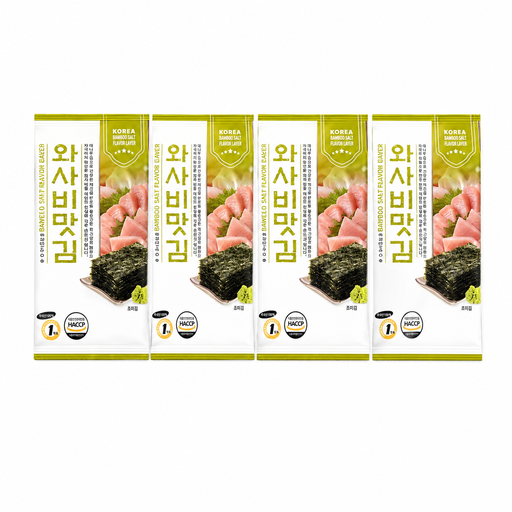
1. Sechang Wasabi Seaweed 52.8g

Sechang Wasabi Seaweed

  • Why it stands out: It combines the airy texture of roasted seaweed sheets with the signature spicy kick of wasabi. The balance between the marine flavour and the heat of the condiment makes for a bold and successful appetiser.
  • Advantages: The texture is fine and crisp. The wasabi flavour is present without being overpowering, making it accessible even for newcomers. Its small-portion format is ideal for on-the-go snacking.
  • Who is it for? For lovers of spicy flavours and those looking for an original appetiser to surprise their guests.

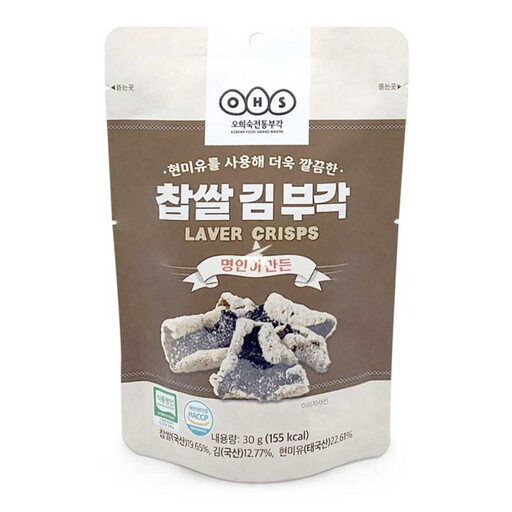
2. OHS Laver Crisps 30g

OHS Laver Crisps

  • Why it stands out: This is a Gim Bugak-style snack, a thicker seaweed crisp. The recipe includes glutinous rice, a traditional technique that guarantees an unparalleled crunch.
  • Advantages: The crunch is particularly satisfying, much more pronounced than that of thin sheets. The flavour is rich and deep. The manufacturer highlights a recipe that is gluten-free, with no preservatives, artificial colours, or flavours.
  • Who is it for? For those looking for a direct alternative to potato chips, with a substantial texture and a distinct umami taste.

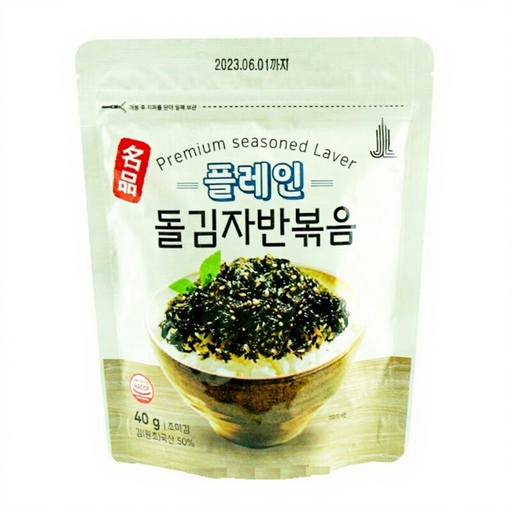
3. Dongwon Torn and Seasoned Laver Plain 40g

Dongwon Torn and Seasoned Laver Plain

  • Why it stands out: Its versatility.
  • Advantages: Presented as pre-seasoned flakes, this product is as good for snacking on its own as it is for use as a condiment to enhance dishes. The pre-torn format is ultra-practical, and the classic seasoning (sesame oil and salt) is a versatile all-rounder that works with everything.
  • Who is it for? For home cooks who want to add a Korean touch to their rice dishes, soups, or salads, while also having a ready-to-eat snack on hand.

Want to Explore Other Plant-Based Options?

Seaweed snacks are just a gateway to the incredibly rich world of plant-based snacks. If you're curious to discover other tasty alternatives for your appetisers or light cravings, many great finds await you.

To get plenty of ideas, explore our full range of plant-based foods.

Frequently Asked Questions About Korean Seaweed Snacks

Are seaweed snacks really healthy?

Yes, for the most part. Most Korean seaweed snacks are simply roasted with a little oil and salt, making them low-calorie and mineral-rich snacks. It's always a good idea to check the ingredient list and nutritional information, as preparation methods can vary. For example, fried seaweed crisps will obviously not have the same nutritional profile as a simple roasted sheet.

How should you eat roasted seaweed sheets?

That's the beauty of them: they are incredibly versatile! You can enjoy them as they are, straight from the pack, for a light and crispy Korean appetiser. Another very popular method is to use them to wrap a small bite of rice. Finally, feel free to crumble them over your soups, salads, or noodle dishes to add flavour and crunch.

What is the difference between Korean gim and Japanese nori?

Although they come from similar types of seaweed, Korean gim is mainly distinguished by its preparation. It is generally thinner, more delicate, and almost always seasoned before being roasted (most often with sesame oil and salt), which gives it its characteristic nutty flavour. Japanese nori, on the other hand, is often sold unseasoned, as it is primarily intended for making maki and sushi. In that role, its neutrality is essential so as not to overpower the flavour of the other ingredients.