
Livraison le jour même ou le lendemain

Qualité garantie

Débloquez vos offres de bienvenue: Livraison GRATUITE | Jusqu'à -80 % | 30 jours d'essai gratuits à JoyPlus
Téléchargez l'application
Korean kimchi easily earns its place at the table, whether with rice, noodles, stir-fried vegetables or stewed dishes. But choosing the right product isn’t just about picking a colourful label or spotting the word “authentic”. The level of fermentation, the packaging and the ingredients all directly affect the taste, how long it keeps and how you enjoy it day to day.
Not every spicy cabbage product is fermented kimchi. Some are simply soured with vinegar or packed with sugar, while others rely on a more pronounced fermentation. To compare different options, start with the ingredients list: Chinese cabbage, radish, chilli, garlic, ginger and fermented sauces are typical of Korean recipes.
Kimchi sold in a jar, tin or pouch doesn’t keep the same way. A product stored at room temperature before opening is handy for stocking up, but it usually needs to go in the fridge once opened. Frozen kimchi, on the other hand, must be kept at -18°C or below and should never be refrozen after defrosting.
Some recipes contain fish sauce, anchovies or fermented shrimp. If you’re looking for vegan kimchi, be sure to check the clear labelling on the packaging as well as the allergen list. The absence of meat doesn’t automatically mean a product is suitable for a plant-based diet.
Chinese cabbage kimchi is the most common variety. The proportion of cabbage listed in the ingredients gives you a good idea of what you’re getting. As for texture, it all depends on how it’s cut and the level of fermentation: kimchi can be crunchy, tender or softer.
Pre-chopped cabbage is ready to serve straight away and slips easily into a bowl of rice. Thicker pieces feel more like a traditional side dish, but you may need to cut them up again before serving.
A spicy kimchi isn’t necessarily very acidic, while a mild product can still have a noticeable chilli kick. The sugar, vinegar and acidity regulators in the recipe give useful clues about the flavour profile.
Fermentation can continue to change the taste after opening. So store the product according to the manufacturer’s instructions, use clean utensils and keep an eye on its appearance, smell and the condition of the packaging. If the container is bloated, leaking or gives off an unusual odour, it’s best not to eat it.
Also compare the salt content, allergens and storage instructions. Depending on the recipe, you may find fish sauce, soya, wheat or shellfish.
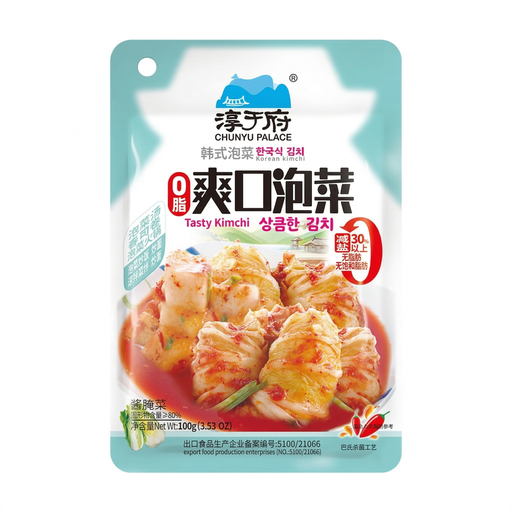
Why this suits this profile: Its small size lets you try a ready-to-eat kimchi without needing much fridge space or buying a large quantity.
At 100 g, this size reduces the risk of leaving an open container for too long. The listing states it’s ready to eat and should be consumed quickly after opening.
The recipe combines Chinese cabbage, radish, chilli and garlic. This kimchi pairs easily with rice, noodles or porridge.
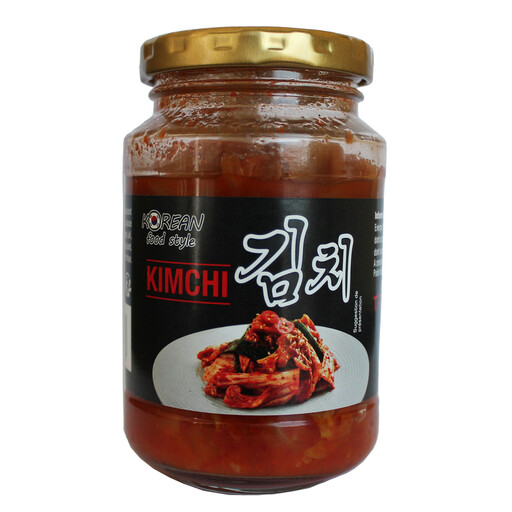
Why this suits this profile: Its medium size and recipe featuring Chinese cabbage, garlic, ginger and chilli should appeal to those looking for a well-defined flavour profile.
The listing mentions the presence of anchovy sauce and wheat. This removes any doubt about its vegan status and allergens.
A 215 g jar, to be kept chilled after opening, with a detailed ingredients list showing 72.5% Chinese cabbage.
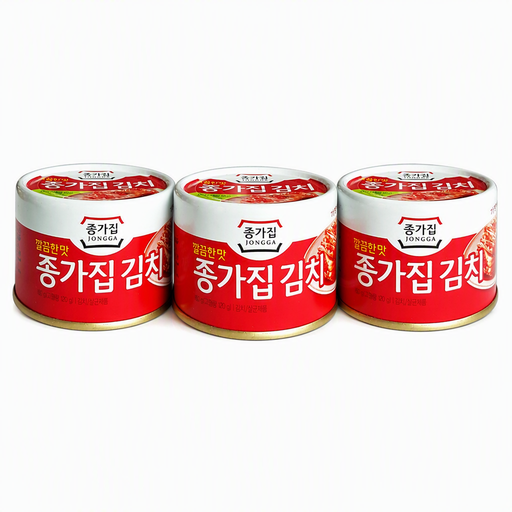
Why this suits this profile: This multi-pack is aimed at households that regularly serve kimchi with rice, noodles or grilled dishes and want several ready-to-use portions on hand.
Individual containers mean you don’t have to reopen the same large jar at every meal. The listing also states the cabbage is already chopped.
Three 160 g portions, with a recipe listing cabbage, radish, chilli, garlic, anchovy sauce and shrimp sauce. This product is not vegan.
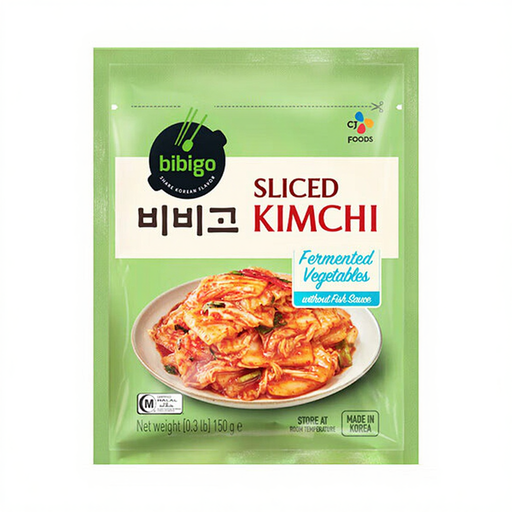
Why this suits this profile: Labelled as vegan, this product can be stored at room temperature before opening. Handy for top-up shops and impromptu meals.
The listing states no declared allergens and a recipe with no animal-derived ingredients. Still, check the labelling on the batch you receive.
A 150 g format made from Chinese cabbage and radish, to be stored at room temperature before opening and then in the fridge.
We’ve put together a full, real-time selection of products that meet these strict criteria as well as European safety standards.
Ready-to-eat kimchi can be enjoyed just as it is, as an accompaniment to white rice, noodles or stir-fried vegetables. To add it to a hot dish, stir it in at the end of cooking to keep some of its crunch and flavour.
Frozen products such as SAONGWON Kimchi Pancake 300 g or Korean Food Style Kimchi Pancake 300 g are cooked in a frying pan following the manufacturer’s instructions. They let you make a Korean kimchi pancake, perfect as a starter or for a light meal. These products contain wheat and must be cooked all the way through.
It depends on the product. Check the label, generally put the container in the fridge after opening and always use clean utensils. With fermented kimchi, the taste may continue to develop over time.
No. Many recipes contain fish sauce, anchovies or shrimp. To choose a vegan kimchi, look for an explicit mention and check the allergens as well as the full ingredients list.
Yes, if it’s a ready-to-eat product. Take out the amount you need, close the container quickly and follow the storage instructions. For a metal tin, transfer any leftovers to a suitable container if the label recommends it.