
Livraison le jour même ou le lendemain

Qualité garantie

Débloquez vos offres de bienvenue: Livraison GRATUITE | Jusqu'à -80 % | 30 jours d'essai gratuits à JoyPlus
Téléchargez l'application
A Korean face serum can complement both a minimalist routine and a full K-beauty skincare regimen. Its purpose is to target a specific concern — dehydration, dull complexion, redness, blemishes or pigmentation. That said, promises of “glass skin”, invisible pores and instant results can sometimes make the choice more complicated than it needs to be.
Before you place an order, three common mistakes keep cropping up:
Start by defining one priority goal. Dry or uncomfortable skin will appreciate a formula containing glycerin, hyaluronic acid, panthenol, betaine or ceramides. For a less even complexion, look instead for a dark-spot serum or a brightening serum with niacinamide, tranexamic acid or vitamin C derivatives.
Watery textures generally suit combination to oily skin and layer easily. More enveloping ampoules can feel pleasant on dry skin, provided they are followed by a suitable moisturiser. The term Korean face ampoule usually refers to a concentrated treatment, but on its own it doesn’t guarantee the product’s effectiveness.
Always check the ingredient list printed on the packaging — formulas can change. Here are a few useful pointers:
Sensitive skin does not react the same way to every ingredient. Patch test on a small area before first use, and stop applying the product if you experience persistent redness, itching or irritation.
For a purchase in the UK, check for labelling in English, the INCI list, volume, batch number, period after opening and, where required, the contact details of the responsible person in the European Union. This information helps with cosmetic traceability.
A serum containing an exfoliant can increase the skin’s sensitivity to the sun. Follow the manufacturer’s recommendations and apply sun protection in the morning. Don’t stop at the mere mention of “clinically tested”: if the brand cites numerical results, look for the protocol, source and conditions under which the claim was established.
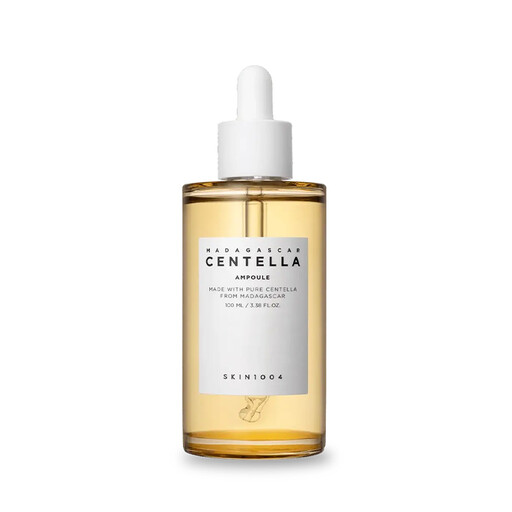
Why this choice suits this profile: Its generous 100 ml size and Centella Asiatica-focused formula let you start with a gentle Korean face ampoule designed for comfort and hydration.
The formula highlights Centella, panthenol, betaine and hyaluronic acid, without piling on exfoliants.
100 ml, lightweight texture, ceramide NP and several hydrating agents.
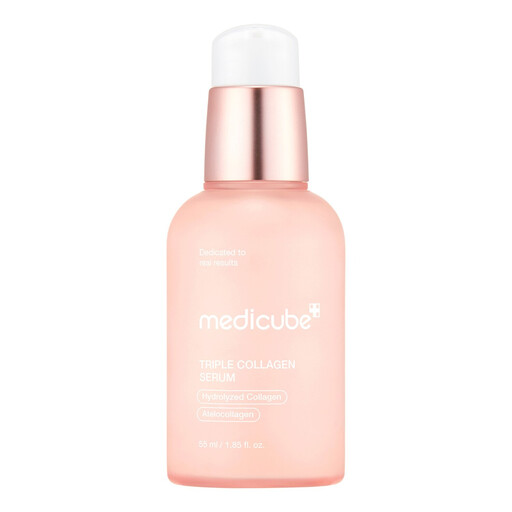
Why this choice suits this profile: Its richer texture and complex of collagens, hyaluronic acid and adenosine fit into an anti-ageing routine focused on firmness and comfort.
The detailed composition lets you check the ingredients, rather than relying solely on a “glow” promise.
55 ml, multiple forms of collagen and hyaluronic acid.
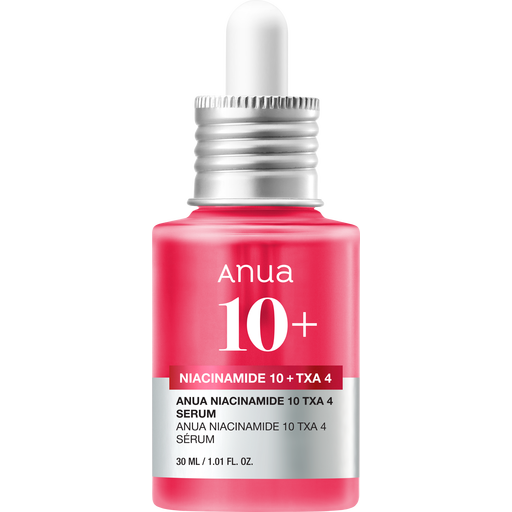
Why this choice suits this profile: This formula is aimed at those looking for a dark-spot serum combining niacinamide, tranexamic acid, arbutin and hydrating agents.
The stated percentages are clearly indicated, and the formula can be introduced gradually after a patch test.
10% niacinamide, 4% tranexamic acid, 2% arbutin and multiple forms of hyaluronic acid.
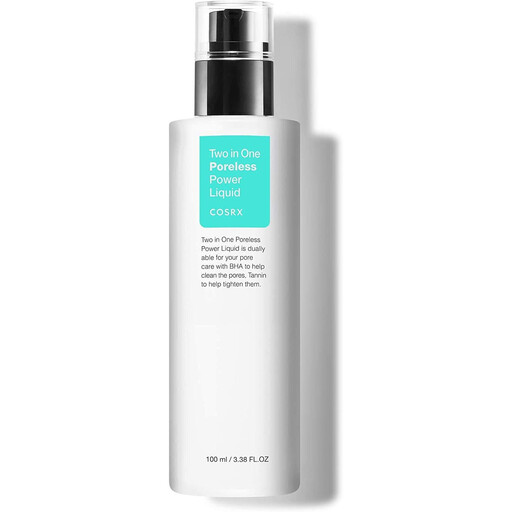
Why this choice suits this profile: With 0.1% betaine salicylate and willow bark water, this formula fits into a routine targeting excess sebum and skin texture.
The BHA dosage is stated in black and white: it’s hard, then, to mistake a vague promise about pores for a verifiable fact.
100 ml format, sodium hyaluronate, panthenol and a recommendation to use sun protection with a BHA.
We’ve put together a full selection, updated in real time, of products that meet these exacting criteria as well as European safety regulations.
Apply a few drops after cleansing, and after a toner if you use one. Gently press the product into the face instead of rubbing. Finish with a moisturiser, then with sun protection in the morning.
To limit reactions, introduce only one new active at a time. If the formula contains an exfoliant, start with two or three applications per week. Once opened, products should be stored according to the manufacturer’s instructions, away from heat and light. Their usage period depends on the period after opening and the amount applied, not just the volume stated on the bottle.
Opt for a short formula containing glycerin, panthenol, hyaluronic acid, Centella Asiatica or ceramides. Avoid introducing a BHA, fragrance and several brightening actives all at once. A patch test is still recommended.
It depends on the composition and the instructions on the packaging. Niacinamide and tranexamic acid are used in products intended for regular use, but tolerance varies from skin to skin. Apply sun protection during the day and space out applications if any discomfort occurs.
Refer to the open-jar symbol, the durability date and the manufacturer’s guidelines. Close the bottle carefully, avoid touching the nozzle with your fingers, and watch for any unusual changes in smell, colour or texture.