
Livraison le jour même ou le lendemain

Qualité garantie

Débloquez vos offres de bienvenue: Livraison GRATUITE | Jusqu'à -80 % | 30 jours d'essai gratuits à JoyPlus
Téléchargez l'application
Konjac snacks have a lot going for them: a chewy texture, Asian-inspired flavours and a format that’s easy to take on the go. You can eat them straight from the pack, add them to a salad or pop them into a hot pot. But the packaging often highlights claims like “low in calories” or “high in fibre” without giving you the full picture.
Before you buy a light snack, there are three pitfalls worth watching out for.
Plain konjac is usually low in fat and has a subtle taste. However, a sesame sauce, chilli oil or sweet-and-sour dressing can change the nutritional profile significantly. Always check the per 100 g table, but also the weight of the portion you’ll actually eat.
A product might show a low energy value while still containing a fair amount of salt. The Huiji Low-Fat Konjac, Sour Mustard Flavour product lists 70 kcal and 3.9 g of salt per 100 g. Its 50 g sachet is convenient, but its profile is about more than just the “low in fat” claim.
A vegan konjac product isn’t automatically free from all allergens. The sauces can contain soya, sesame, peanut, wheat, or even animal-derived ingredients.
The Natura sesame and wasabi preparation contains soya, sesame and egg. Meanwhile, the ChaCha Princess product lists peanuts, soya, sesame and cuttlefish ink powder. Reading the ingredients list is essential, especially if you’re vegan or have allergies.
Ready-to-eat products sold in individual portions are generally easier to store before opening. Sachets of 15 to 20 g are particularly handy for the office, when you’re out and about, or for keeping portions under control.
On the other hand, konjac cubes, noodles and preparations stored in water often need to be rinsed, drained and then refrigerated after opening. Some products state they should be eaten within two days. So check the drained weight, storage temperature and instructions on the packaging.
The term shirataki usually refers to konjac-based noodles. They have a soft, slightly chewy texture. A quick rinse under cold water is all you need before adding them to a recipe.
Start by looking at the first few ingredients on the list. In some products, konjac is the main base; in others, it’s combined with starch, oil or a flavoured sauce.
To compare two options, note down:
A low calorie count doesn’t necessarily mean the product is right for every use. The taste, salt level and portion size also need to suit your eating habits.
A 180 to 360 g format can work for sharing or multiple uses, while a box of 20 sachets makes storage and portioning easy. For products that need to be stored after opening, use a clean container and follow the label instructions. Konjac products have a firm, chewy texture: they need to be chewed thoroughly and are not suitable for children under 3 years old.
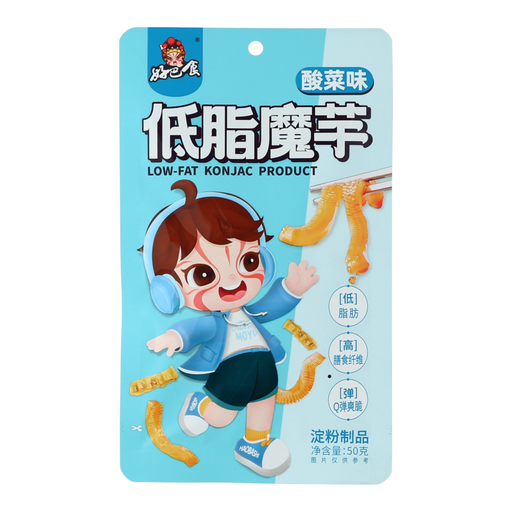
Why this choice suits this profile: Its 50 g sachet lets you try a sour and savoury Asian snack without buying a large pack straight away.
The individual weight makes the portion clear, and the ingredients list clearly states the presence of soya.
70 kcal per 100 g, 6.1 g of fibre stated, and ready to eat straight away.
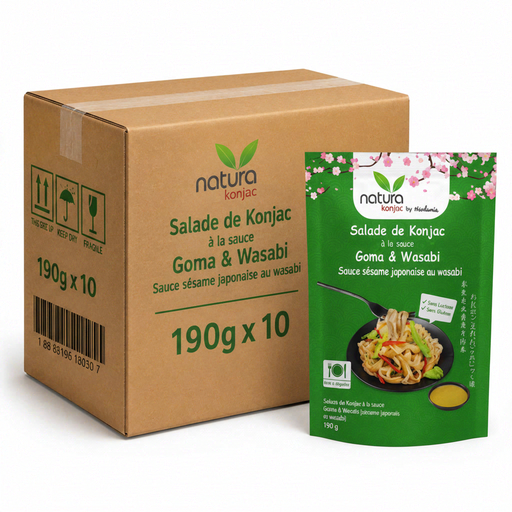
Why this choice suits this profile: This ready-to-eat salad combines a konjac base with a sesame and wasabi sauce, perfect for a quick lunch or a more elaborate side dish.
The ten-unit format means you don’t have to deal with leftovers once opened; the allergens egg, soya and sesame are listed.
68 kcal per 100 g and 190 g portions, ready to serve.
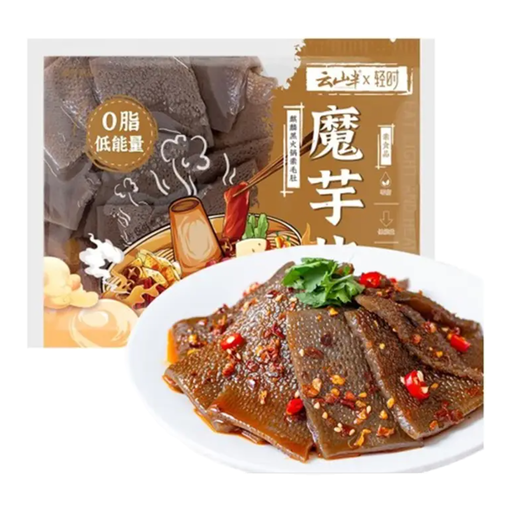
Why this choice suits this profile: The 500 g format is ideal for regularly making soups, salads, stir-fries and hot pots.
Its neutral flavour lets you adjust the seasoning yourself, rather than being stuck with a very salty or very spicy sauce.
500 g, preparation by simply rinsing, and ingredients listed with no allergens.
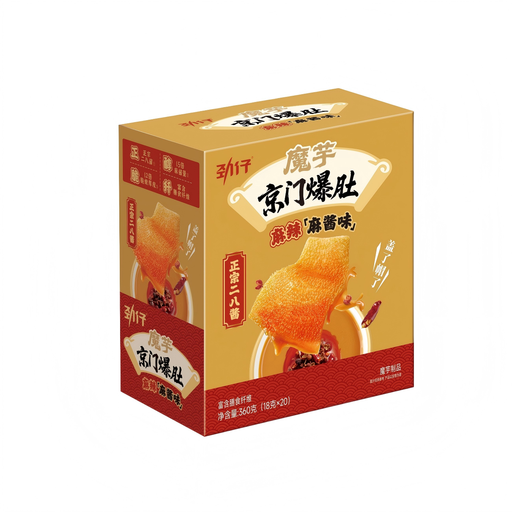
Why this choice suits this profile: The 20 sachets of 18 g are easy to carry and offer a chilli and sesame flavour with a kick of Sichuan pepper.
The portioning is clear, and the presence of peanut, soya and sesame is stated.
20 individual portions and 196 kcal per 100 g, with a konjac base stated at 71.37%.
We’ve put together a comprehensive, real-time list of products that fully meet these strict selection criteria and European safety regulations.
No. Plain konjac and shirataki are often low in energy, but oils, sauces, starches and seeds can push the calorie count up. Compare the values per 100 g and the portion size.
Most ready-to-use konjac noodles just need to be rinsed and drained. The Natura Konjac Shirataki 250 g product states 6 kcal per 100 g and can then be added to a soup, stir-fry or salad. Always follow the instructions on the packaging.
The shelf life depends on the packaging. Some products stored in water need to be refrigerated and eaten within two days, while individual sachets are best enjoyed as soon as they’re opened. The best-before date and the manufacturer’s instructions always take priority over general guidelines.