
Livraison le jour même ou le lendemain

Qualité garantie

Débloquez vos offres de bienvenue: Livraison GRATUITE | Jusqu'à -80 % | 30 jours d'essai gratuits à JoyPlus
Téléchargez l'application
Konjac products appeal to those looking to cut down on calories or carbs, diversify a vegetarian diet, or recreate certain textures typical of Asian cuisine. But don’t be fooled by appearances: the presence of konjac doesn’t guarantee a product is low in calories, and a light portion can still contain a lot of salt or sauce.
Before you fill your basket with konjac noodles, shirataki or jellies, take a moment to check a few simple criteria. They’ll help you tell a versatile staple from a heavily seasoned snack, and choose a product that’s genuinely right for your needs.
Konjac spaghetti, konjac tagliatelle and plain shirataki generally have a very low energy value. However, as soon as sauce, oil, sugar or seasoning is added to the recipe, the nutritional profile can change completely.
For example, Natura Konjac Spaghetti noodles have 6 kcal and 1.3 g of carbs per 100 g, while Bestore hot pot flavour konjac slices contain 121 kcal and 9.8 g of fat per 100 g. Konjac is present in both cases, but these products have neither the same composition nor the same use.
A konjac jelly can make a handy sweet treat, but you also need to check the portion size, the polyols, the sweeteners and the full ingredients list. Some products are low in sugar but pack in multiple gelling agents or sweeteners.
Also remember to convert the value given per 100 ml into a value per sachet. A 150 ml jelly showing 4 kcal per 100 ml works out at around 6 kcal per portion. Another product may, however, show different values depending on its flavour and recipe.
Shirataki noodles have a soft, springy texture, but they aren’t prepared exactly like wheat pasta. Depending on the product, you’ll need to rinse them, drain them, then reheat or boil them for a few minutes. If this step is rushed, a residual smell or taste can linger.
For drinking jellies, many packs advise not to swallow without chewing. They should therefore be consumed with care, especially by children and anyone who has difficulty swallowing.
If you’re looking for a low-carb konjac or an alternative to pasta, compare the nutritional values per 100 g:
The ingredients list is also worth a careful read. Natura recipes, for example, are based on water, 3% konjac flour and citric acid. The 400 g fine shirataki are particularly well suited to soups, salads and stir-fries thanks to their thin shape and neutral taste.
Choose the packaging to suit your daily routine:
Some products are ready to use after a simple rinse. FISHWELL shirataki knots, on the other hand, need 3 to 5 minutes of cooking. Sauce-based preparations, like Tom Yum konjac, are designed to be heated up quickly, but their nutritional values take the sauce ingredients into account.
Konjac is plant-based, but the finished product may contain soya, vegetable oils or other ingredients. Bestore slices and some spicy snacks notably list soya as present. Conversely, several Jelly.B jellies and noodle products state that no allergens are declared.
The “vegan” or “vegetarian” claim should always be verified on the product’s composition and labelling. Whether you follow a keto, vegetarian or low-carb diet, don’t stop at the word “konjac” alone – check the nutrition panel and the ingredients list.
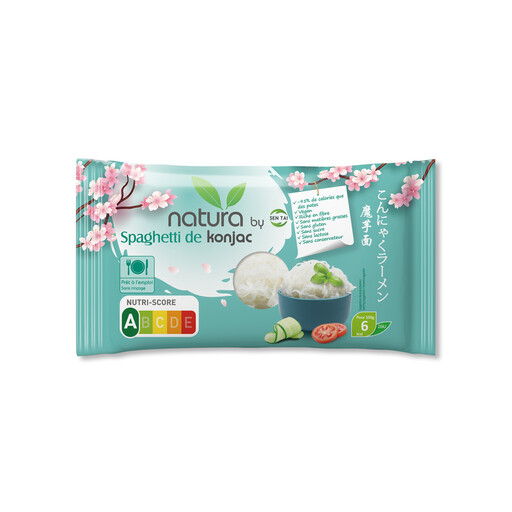
Why this choice suits this profile: With its 250 g and short ingredients list, this product lets you discover konjac noodles without committing to a large pack.
The nutritional value is given per 100 g and the recipe contains no oil or prepared sauce to account for.
6 kcal, 0 g fat and 1.3 g carbs per 100 g, according to the product sheet.
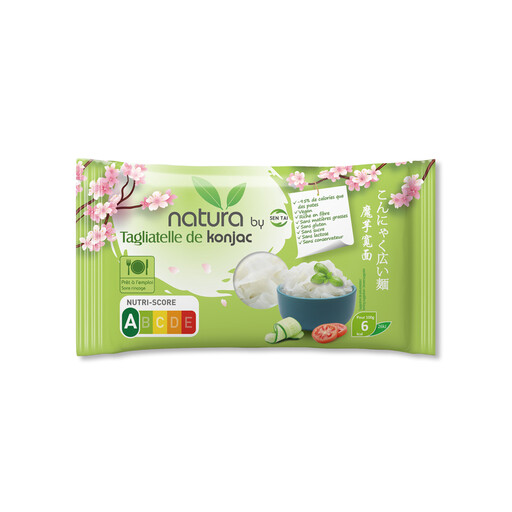
Why this choice suits this profile: Their ribbon shape pairs well with sauces, stir-fried vegetables and recipes inspired by traditional pasta dishes.
The tagliatelle format offers a different texture without forcing a pre-added sauce on you.
250 g, 3% konjac flour, 6 kcal and 1.3 g carbs per 100 g.
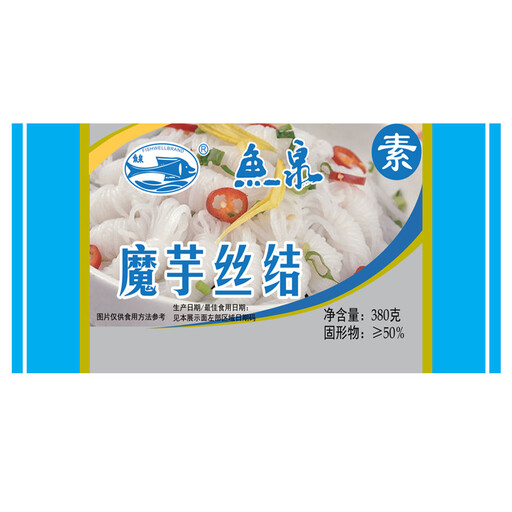
Why this choice suits this profile: With its 380 g and knotted shape, this product works well in soups, salads, stir-fries and hot pot meals.
The instructions say to rinse then cook for 3 to 5 minutes, which reduces the risk of getting the preparation wrong.
16 kcal, 0 g fat and 0 g salt per 100 g, according to the information provided.
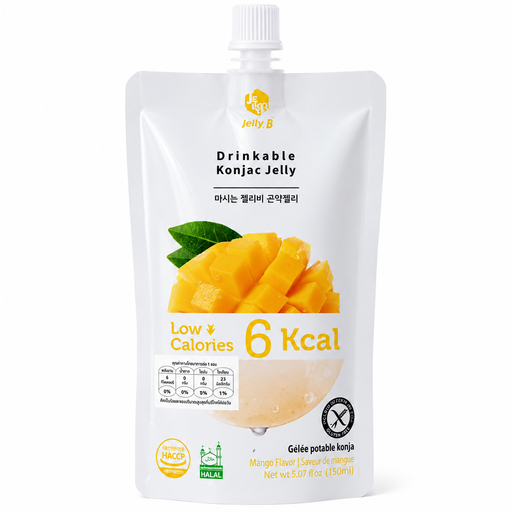
Why this choice suits this profile: The resealable 150 ml tube slips easily into a bag, perfect for a break at the office or on the move.
The product sheet states 6 kcal per 150 ml portion and 0 g sugars. However, it’s still essential to follow the consumption guidelines.
An individual format, a recipe listed as vegan, and storage at room temperature before opening.
We’ve put together a full, real-time updated list of products that meet these strict selection criteria and European safety regulations.
Rinse the noodles or cubes according to the instructions on the pack, then drain them thoroughly. A very hot pan can help improve their texture before you add the sauce. For sachet formats, follow the storage conditions given: after opening, some products need to be kept in the fridge and consumed within 24 to 48 hours.
Konjac jellies must be chewed before swallowing. Also check the best-before date, the presence of sweeteners and any possible soya or other allergens. These precautions are still necessary even when a product is marketed as a vegan konjac or a low-calorie option.
They can replace pasta in a stir-fry, soup or salad, but their texture is softer and their taste more neutral. To get a balanced, flavoursome dish, it’s best to pair them with vegetables, a source of protein and a suitable sauce, rather than serving them on their own.
Some plain noodles have a low carbohydrate content, like the Natura products which show 1.3 g per 100 g. However, sauce-based preparations and snacks can have very different values. Comparison should therefore always be based on the label of the product you choose.
It depends on the product. Jelly.B products generally advise refrigeration after opening and consumption within 24 to 48 hours. Always check the packaging – instructions can vary depending on the flavour and recipe.