
Livraison le jour même ou le lendemain

Qualité garantie

Débloquez vos offres de bienvenue: Livraison GRATUITE | Jusqu'à -80 % | 30 jours d'essai gratuits à JoyPlus
Téléchargez l'application
Konjac noodles appeal to anyone looking for an alternative to traditional pasta, particularly as part of a low-calorie, low-carb or ketogenic diet. However, not all products are created equal. The format, sauce, allergens and nutritional values can significantly affect how suitable a product is for your plate.
Before buying shirataki, it is therefore worth looking beyond claims such as “light” or “gluten-free”. Here are the key criteria to consider, along with a selection of products suited to different uses in France.
The konjac base may contain only a few kilocalories per 100 g, while a ready-made sauce can contain significantly more salt, fat or sugar. This is particularly important with instant konjac noodles and curry, miso or kimchi bowls.
To compare products on a like-for-like basis, always check:
A serving of plain noodles obviously has a very different nutritional profile from a fully seasoned dish.
The low-carb konjac noodles label may be useful, but recipes vary from one product to another. Some contain modified starch, rice flour, oats or soy. The konjac base is therefore not the only element worth examining.
For example, Natura Konjac Shirataki and Spaghetti contain 6 kcal and 1.3 g of carbohydrates per 100 g. DSKONYAKU Premium, on the other hand, contains 28 kcal and 7.8 g of carbohydrates per 100 g, including modified starch, skimmed milk powder, soy and rice flour.
Shirataki are generally preserved in water and have a soft, springy texture. Any distinctive smell when opening the package can usually be reduced by rinsing them thoroughly. However, it remains essential to follow the storage instructions on the packaging.
After opening, many products must be refrigerated and consumed within two to three days. Some prepared bowls must even be eaten within 24 hours. A 400 g family-size pack is therefore not necessarily the most practical option for someone cooking for one.
For a simple recipe, look for a short ingredients list, such as: water, konjac flour and acidity regulator. Natura Konjac Shirataki 250 g and Spaghetti 250 g have this type of formulation and do not list any allergens on their product pages.
People with allergies or intolerances should nevertheless remain cautious:
Always read the label on the product you receive, particularly if you follow a gluten-free diet.
The format directly affects how the noodles can be prepared:
For a first tasting, a plain 250 g version lets you try the texture without committing to a large pack.
Product pages show varying nutritional values. For comparison:
These figures are not enough to assess the balance of an entire diet. They are primarily useful for comparing the noodle base, the sauce and the portion you actually intend to eat.
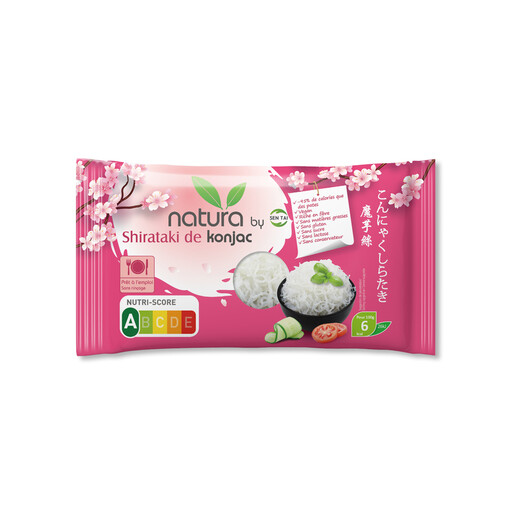
Why it suits this profile: a convenient 250 g format that is easy to add to a soup, stir-fry or individual salad.
The product page lists a short ingredients list, no declared allergens, 6 kcal and 1.3 g of carbohydrates per 100 g.
Plain noodles with no predefined sauce, ready to pair with ingredients you already have in your kitchen.
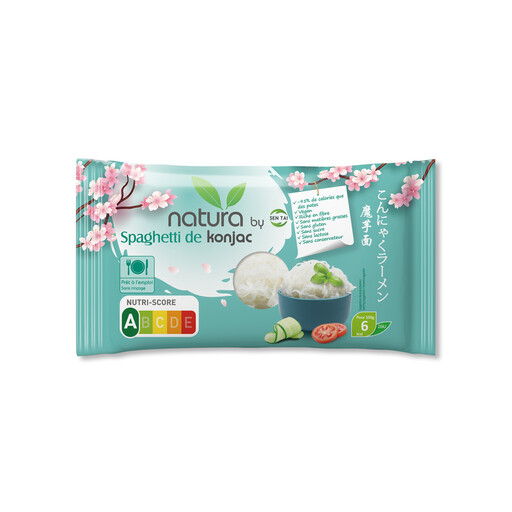
Why it suits this profile: its spaghetti shape is reminiscent of traditional pasta and pairs effortlessly with homemade sauce.
The plain noodle base keeps the characteristics of the noodles separate from those of a ready-made sauce.
The product page lists 6 kcal per 100 g, 0 g of fat and no declared allergens.
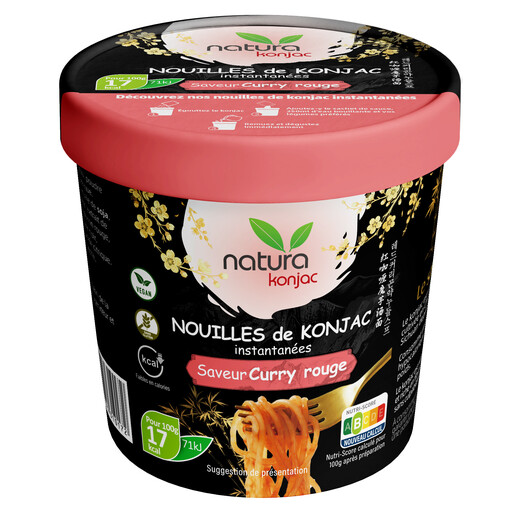
Why it suits this profile: an individual red curry bowl that is ideal for a quick lunch without complicated preparation.
The product page distinguishes between values per 100 g and those for the prepared 162 g serving, making comparisons easier.
The prepared serving contains 28 kcal. Soy is listed among the allergens, and the product must be consumed within 24 hours of opening.
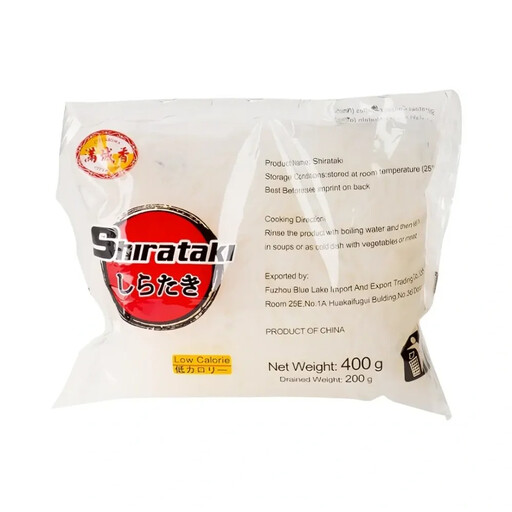
Why it suits this profile: its 400 g format is well suited to soups, stir-fries and salads prepared for several meals.
The product page specifies that the noodles are preserved in water, refrigerated and consumed within two to three days of opening.
The product page lists 10 kcal, 1.5 g of carbohydrates and no allergens per 100 g.
Browse our updated selection to compare formats, ingredients and different uses before placing your order.
To make konjac pasta more enjoyable, rinse it under clear water, drain it, then heat it in a pan with the sauce for a few minutes. This helps remove excess water and allows the noodles to absorb more flavour.
For a konjac salad, simply combine the preparation with crisp vegetables. To create a more complete dish, add a source of protein and vegetables according to your usual dietary preferences. Konjac alone is not enough to provide a balanced meal.
Children under 3 should not consume certain konjac products because of their firm, springy texture. Adults should also chew the noodles thoroughly and follow the instructions on the packaging.
Plain, low-carbohydrate products can fit into a keto or low-carb diet. However, check the complete nutritional information, particularly for sauces, starch, sugar and accompaniments. Suitability depends on your goals and total daily intake—not solely on the product name.
Preparation depends on the product. Plain noodles can generally be rinsed, drained and reheated in a pan or broth. Instant bowls and ready-to-eat salads have their own instructions. Always check the label before heating them or eating them straight from the package.
Plain products preserved in water should generally be refrigerated and consumed within two to three days. Salads and prepared bowls may need to be eaten within 24 hours of opening. The use-by date, package condition and manufacturer’s instructions should always take precedence over any general guideline.