
Livraison le jour même ou le lendemain

Qualité garantie

Débloquez vos offres de bienvenue: Livraison GRATUITE | Jusqu'à -80 % | 30 jours d'essai gratuits à JoyPlus
Téléchargez l'application
The major comeback of the vintage aesthetic has thrust film photography back into the spotlight. To rediscover that signature grain and colour, a reusable Kodak film camera is the ideal entry point. But be warned: the market is flooded with models that, beneath their retro look, hide flaws capable of turning the dream into a disappointment. To avoid buyer's remorse, it's essential to know the pitfalls to avoid and invest in a camera that will stand the test of time.
This guide is here to help you see things more clearly, decode the spec sheets, and choose the model that truly matches your desires, far from the siren song of marketing.
The desire to get into film photography can sometimes lead to impulse buys. Here are the three most common issues that risk ruining the experience.
point and shoot is meant to be simple by definition. But be careful, as too much simplicity can quickly become a limitation. The lack of a built-in flash, for example, makes the camera practically useless indoors or on overcast days. Likewise, a convoluted film loading process can cause you to lose your very first photos. Frustrating!You don't need to be an expert to make the right choice. You just need to master three essential points to judge a model's quality.
beginner's film camera, a built-in flash is a practically non-negotiable feature. It ensures you can take photos in the evening, indoors, or fill in shadows on a face in broad daylight. Remember to check how it works: is it automatic or manual? A flash that's easy to activate is a true guarantee of versatility.vintage film camera. It just requires a bit of discipline to remember to advance the film after each shot. Motorised advance, on the other hand, takes care of everything. It radically simplifies use and prevents common mistakes like double exposure.With these criteria in mind, we have selected reliable models that meet different needs while delivering the image quality expected from a Kodak film camera.
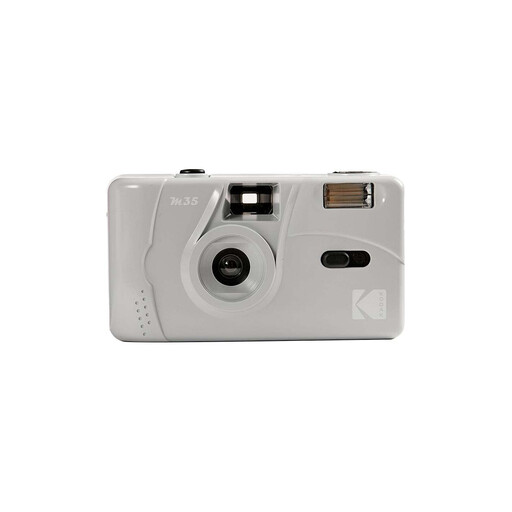
Why we recommend it: Perfect for getting started with film photography without breaking the bank. The Kodak M35 is the epitome of a point-and-shoot: simple, lightweight, and ideal for capturing everyday life, holidays, or nights out with friends.
It avoids the trap of deceptive simplicity with its easy-to-activate built-in flash, making it far more versatile than a simple disposable camera. Its construction, though simple, is designed for regular use.
Absolute simplicity: just load the film, wind, and shoot. Lightweight and compact: it slips into any pocket or bag.
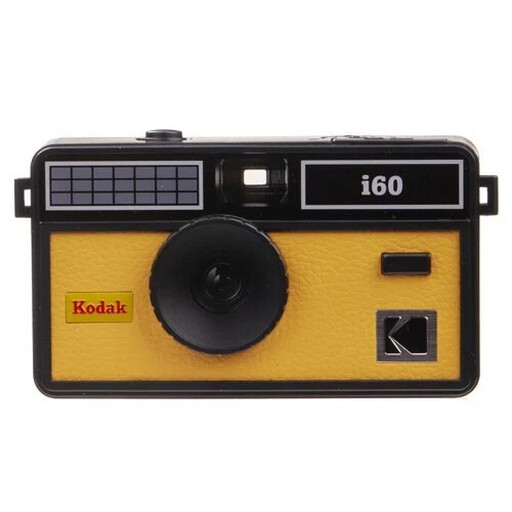
Why we recommend it: For those who want a camera that's as stylish as it is simple to use. The I60 combines a colourful design with slightly more refined ergonomics, notably its retractable flash that gives it a unique look.
It avoids the pitfall of a low-end lens. Its f/10 aperture lens is designed to offer better sharpness across the entire image, for a more authentic film look than entry-level models.
Retractable flash: a stylish and practical touch that protects the flash. Superior image quality: the lens is optimised for sharper shots.
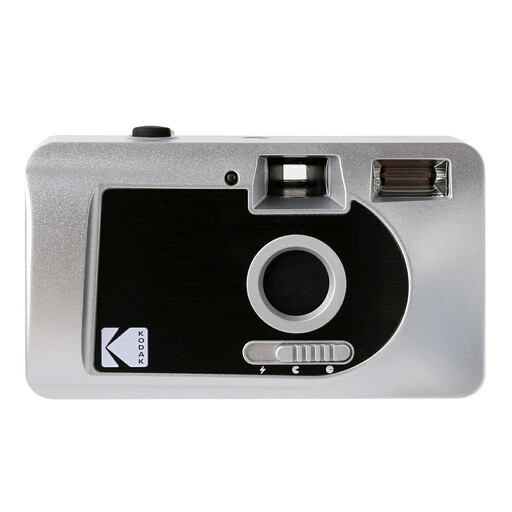
Why we recommend it: For those who want the pleasure of a *point and shoot* without the manual operations. The S88 automates the film advance, allowing you to focus solely on taking the picture, almost like with a digital camera.
It eliminates the risk of errors related to manual advance (forgetting, double exposure). By automating this step, it makes the film experience much smoother and more accessible, and prevents the frustration of missing an important shot.
Motorised advance: no need to remember to wind after each photo. Comfortable grip: its design is engineered for good stability when shooting.
Discover our full selection of cameras and accessories that meet our quality criteria and current standards.
To start, a 400 ISO colour film is the most versatile option. It adapts to most lighting conditions, from broad daylight to indoors with a flash. For very sunny days, a 200 ISO film will offer a finer grain. And why not try black and white for a completely different look?
The main cost comes from buying film and getting it developed. A 36-exposure roll of film typically costs between €10 and €20, and development with scanning varies from €10 to €25 depending on the lab. Although this represents a cost per photo, the investment is quickly recouped compared to repeatedly buying disposable cameras.
Yes, without a doubt, for convenience and to avoid errors. If you plan to use your camera in the heat of the moment (parties, events), the motor will prevent you from missing the perfect shot because you forgot to wind. However, if you enjoy the ritual and the mechanical aspect of old-school photography, manual advance offers a more authentic experience. Ultimately, it's a matter of taste.