
Livraison le jour même ou le lendemain

Qualité garantie

Débloquez vos offres de bienvenue: Livraison GRATUITE | Jusqu'à -80 % | 30 jours d'essai gratuits à JoyPlus
Téléchargez l'application
Choosing the right Kodak 35mm film can quickly become a daunting task. Between the different sensitivities, colour renditions, and grain textures, it's easy to get lost. But don't worry! This guide is here to shed some light and help you find the perfect analogue film for your projects, whether you're a curious newcomer or a seasoned photographer.
By the Joybuy editorial photo experts
Before you dive in, there are a few key concepts to master. Once you understand these basics, you'll know exactly which photo film to buy to perfectly match your creative vision.
ISO speed is simply your film's ability to "soak up" light. The lower the number (e.g., 100 ISO), the less sensitive it is, making it ideal for very sunny days, offering nearly invisible grain and incredible sharpness. Conversely, a higher speed (200, 400 ISO, and beyond) is more versatile and performs better when light is scarce. The grain will be slightly more noticeable, which is often a deliberate aesthetic choice.
The decision between a 35mm colour photo film and a 35mm black and white film is primarily a matter of artistic vision.
Beyond the technical aspects, every Kodak analogue film has its own personality, its own signature.
We've selected three iconic Kodak 35mm films, each catering to specific needs and styles.
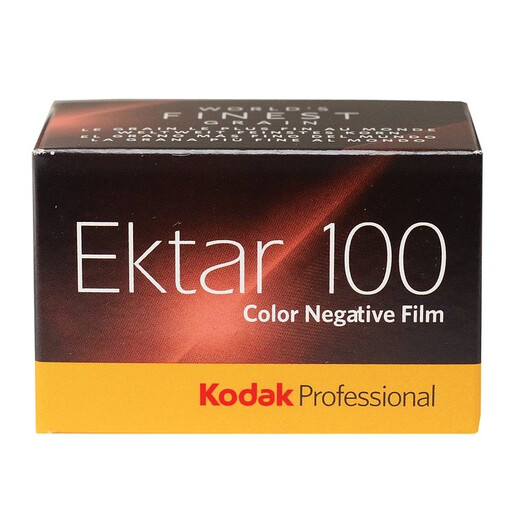
Why it stands out
Often dubbed "the world's finest grain film," Kodak Ektar 100 is an exceptional film stock. Its almost imperceptible grain makes it perfect for very high-resolution scans and large-format prints. Its low speed of 100 ISO makes it best suited for days bathed in light or for studio sessions where lighting is perfectly controlled. As for colours, expect an explosion of vivid, saturated hues, making it the undisputed king of landscape photography.
Key features
Who is it for? For landscape, travel, and nature lovers who demand maximum detail and colours that pop. It's also the choice of professionals for high-end printing jobs.
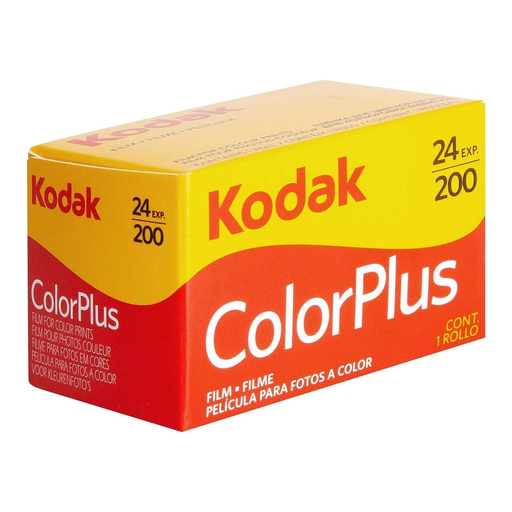
Why it stands out
Kodak Color Plus 200 is the quintessential all-rounder, renowned for its incredible value for money. Its 200 ISO speed makes it a perfect go-to for everyday use, capable of adapting to a wide range of light conditions. Its look is instantly recognisable: warm colours, a distinct vintage charm, and a fine but present grain that gives photos that special character.
Key features
Who is it for? For beginners starting with analogue photography, hobbyists looking for a reliable and inexpensive film for their holiday snaps or daily life, and anyone who loves that warm, timeless look.
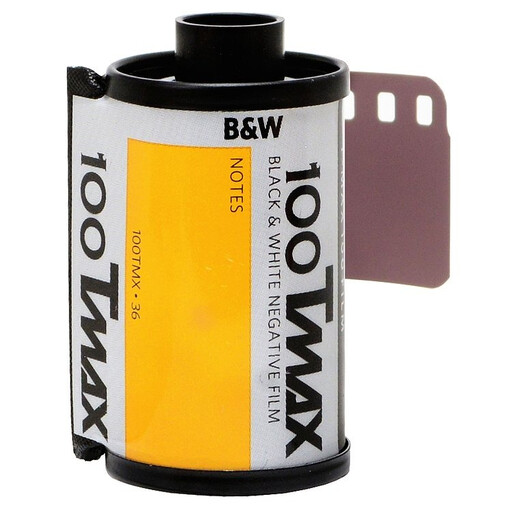
Why it stands out
An absolute benchmark in modern black and white, Kodak T-Max 100 is a technological marvel. Its secret? Kodak's T-GRAIN emulsion, which gives it surgical sharpness and incredibly fine grain. With its 100 ISO speed and very wide dynamic range, it's the dream precision tool for sculpting light, mastering every shade of grey, and capturing a stunning level of detail.
Key features
Who is it for? For black and white purists, fine art, portrait, or architectural photographers who aim for technical perfection. This is the film for precision and finesse, the opposite of a raw, grainy look.
Our selection is just a taste of what the world of Kodak analogue film has to offer. Other speeds (like the very popular 400 ISO) and unique renderings await you. Feel free to explore our full catalogue to find your next favourite film.
Discover our full range of films
These two films serve completely different purposes. Kodak Ektar 100 is a professional film that aims for technical excellence: invisible grain, maximum sharpness, and ultra-saturated colours. Kodak Color Plus 200, on the other hand, is a consumer-grade film that is much more affordable and versatile. It offers a softer look, warm tones, and a visible grain that gives it its much-loved vintage charm.
Without a doubt, Kodak Color Plus 200. Its 200 ISO speed is more forgiving of minor exposure errors than 100 ISO films. Its low price is perfect for experimenting without stress, and its warm rendering is always rewarding when you're just getting started.
The golden rule: keep it cool, dry, and away from light. For long-term storage (several months), the refrigerator is your best friend (in a sealed box or bag). Just remember to take your film out a few hours before use to let it return to room temperature. And if you're flying, always request a manual inspection at the security checkpoint to prevent X-rays from damaging your precious films.