
Livraison le jour même ou le lendemain

Qualité garantie

Débloquez vos offres de bienvenue: Livraison GRATUITE | Jusqu'à -80 % | 30 jours d'essai gratuits à JoyPlus
Téléchargez l'application
A knee brace might seem simple to choose… until it slips during a run, compresses your leg too tightly, or becomes uncomfortable after a few sessions. Whether you run, play basketball, go hiking, do fitness training, cycle or lift weights, the right model depends above all on the level of support you need and how well it suits your activity.
Before buying knee support braces for sport, watch out for three common pitfalls.
A compression knee brace made from stretch fabric is generally suitable for activities that regularly involve bending the knee, such as running, cycling or fitness. It should hug the joint without forming uncomfortable creases.
Models with straps offer more precise adjustment around the kneecap. They may appeal to users looking for kneecap protection or knee support during dynamic movements. However, check that the straps stay in place and don’t create pressure points.
For basketball, jumping and weight training, choose a knee brace that stays stable during changes of direction and bends. A pair of size L sports knee braces can work if your measurements genuinely match that size: always consult the seller’s size guide rather than relying on your usual size alone.
A breathable knee brace is especially pleasant during indoor training, summer outings or long hikes. Mesh zones help air circulate, while a blend of nylon, elastane and polyester usually offers a good balance of stretch and support.
Where mentioned, 3D knitting is designed to follow the contours of the knee. Reinforced stitching around the kneecap can also help the product keep its shape despite repeated bending. These features do not replace medical advice, however, and do not guarantee injury prevention.
Anti-slip knee braces are designed to limit fabric movement. Look for a snug fit, support bands or a suitable inner texture. For a running knee brace or a hiking knee brace, this detail matters: movements are repeated for tens of minutes or even hours.
Care also affects the product’s lifespan. For elastic textile models, hand wash in cold water with a mild detergent, then air dry. Avoid ironing, bleach and tumble drying if the product sheet advises against them. If you experience numbness, tingling or significant discomfort, remove the brace and check its size and adjustment.
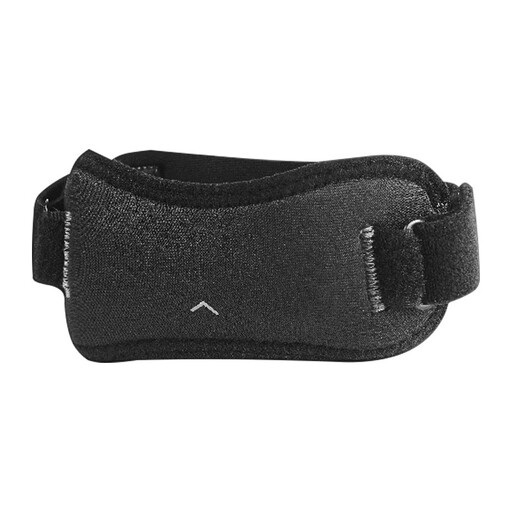
Why this choice suits this profile: This pack of two knee braces can suit people who are new to hiking, running, skipping rope or any other activity that requires support around the kneecap.
The pair format saves you buying two separate units, while the straps let you adjust the support rather than relying solely on uniform compression.
Pack of 2 pieces and strap design, with intended uses for hiking, running and knee joint support.
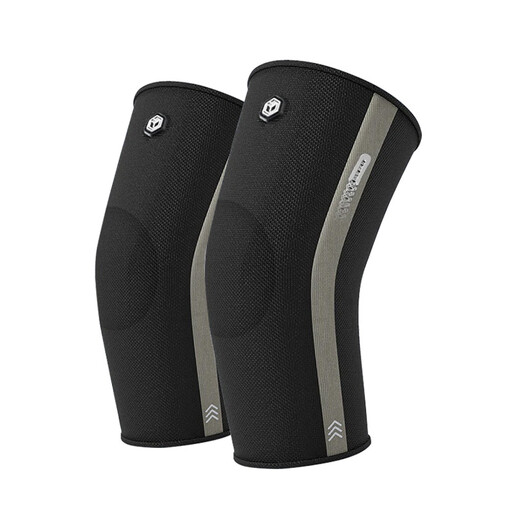
Why this choice suits this profile: Its size L and stretch knit design can suit regular users looking for consistent support for running, fitness, basketball or weight training.
The 3D knitting and claimed anti-slip design address the risk of shifting during dynamic movements, provided you choose the right size.
Blend of nylon, elastane and polyester, mesh ventilation zones, reinforced stitching around the kneecap and pack of 2 pieces.

Why this choice suits this profile: Designed for basketball, hiking and weightlifting, this model can suit people who alternate between intense training and outdoor activities.
The design intended for warm weather limits the risk of heat build-up, while the straps let you adapt the support to the activity.
Set of 2 pieces, intended uses for multiple sports and strap design aimed at supporting the knee.
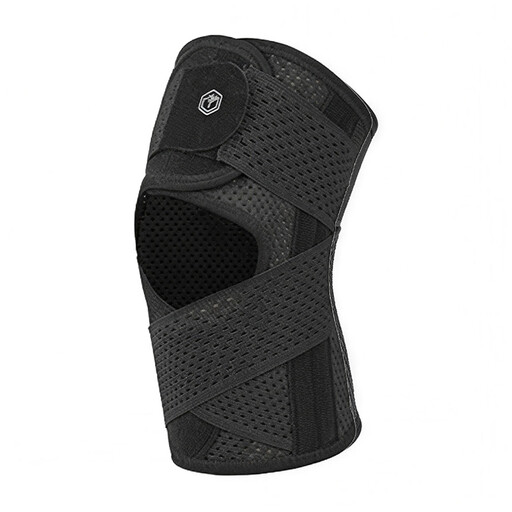
Why this choice suits this profile: This individually sold knee brace can be used to replace one piece or to test size L support for running, badminton, basketball or hiking.
The single format avoids automatically buying a pair when you simply need to replace one piece or top up your kit.
Single unit format, size L and intended uses for running, basketball, badminton and hiking.
We’ve put together a full selection, updated in real time, of products that meet these demanding criteria and European safety standards.
It depends on its design, size and your comfort. A knee brace intended for sport should stay snug without causing numbness, tingling or pain. Remove it as soon as discomfort appears and avoid wearing it over a wound or if you have a significant skin condition.
Its lifespan depends on how often you use it, the intensity of movement and how you care for it. Loss of elasticity, loosening stitches or fabric that slips are all signs it’s time to consider replacing it. Cold washing and air drying can help preserve the fibres.
Depending on its design, it can provide mechanical support and a feeling of stability during exercise. It does not guarantee injury prevention or treatment. If you have persistent pain, a trauma or are recovering from an injury, ask a healthcare professional for advice before choosing or using a knee support.