
Livraison le jour même ou le lendemain

Qualité garantie

Débloquez vos offres de bienvenue: Livraison GRATUITE | Jusqu'à -80 % | 30 jours d'essai gratuits à JoyPlus
Téléchargez l'application
A roll of kitchen roll may seem simple to choose. However, the format, number of sheets, number of layers and strength can make a real difference to everyday use, as well as to your budget. Between claims of absorbency, jumbo rolls and attractively decorated packaging, it is better to focus on the information that really matters.
A pack of four rolls is not necessarily better value than a pack of two. You should also check the number of sheets per roll, their dimensions and their format. A kitchen roll with fewer sheets can run out quickly, even when it comes in a large-looking pack.
When comparing prices, calculate the cost per sheet or per roll if possible. This is much more informative than the amount shown on the pack alone.
The description absorbent kitchen roll is not enough to assess a product’s performance. Thickness, the number of layers, embossing and the paper’s strength when wet also play a part. A very thin sheet may be fine for a small splash, but could tear when cleaning a greasy or soaked surface.
You do not always need a whole sheet to wipe up a drop, a damp handle or a few crumbs. Rolls with perforated half-sheets help reduce waste. Conversely, large sheets are particularly useful for bigger spills, cleaning the worktop or soaking up oil.
2-ply kitchen roll is suitable for most everyday tasks: drying your hands, cleaning a surface or mopping up a small spill. 3-ply kitchen roll generally provides more material per sheet. It is often more convenient for absorbing liquids and grease, or for tackling cleaning jobs that require a little more durability.
However, the number of layers alone is not enough to determine the quality of the paper. Also look for information about wet strength, embossing and sheet dimensions.
A jumbo kitchen roll can reduce how often you need to replace the roll. Some manufacturers claim that it lasts twice as long as a standard format. However, this depends on the number of sheets, their size and how much is used each time. The claim should therefore be compared with the detailed information on the packaging.
The half-sheet format is aimed at households that want to reduce waste. It lets you tear off a smaller portion for minor spills, while keeping the full sheet for larger amounts of liquid.
Cellulose wadding is the material most commonly used to make kitchen roll. If you want to prioritise paper sourced from responsibly managed forests, look for the FSC or FSC Mix labels, checking the certification actually stated on the product.
Compostable kitchen roll should not automatically be put in just any compost bin. The term ‘compostable’ may be subject to specific conditions, or require access to a suitable waste stream. In all cases, never flush used sheets down the toilet: they could cause a blockage. For packaging and soiled paper, check your local council’s recycling and waste-sorting guidance.
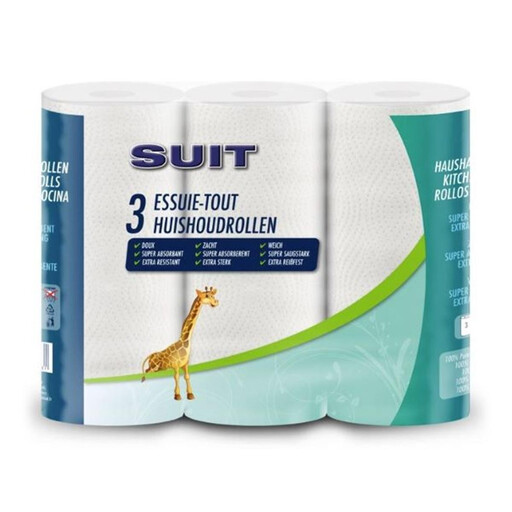
Why this choice suits this profile : This pack of three 2-ply rolls is suitable for everyday tasks: wiping up splashes, cleaning the worktop or drying your hands. With 48 sheets per roll, the quantity provided is clearly stated and easy to compare.
The number of rolls, sheets and layers is clearly stated. You can therefore compare this pack with other formats without being guided solely by the size of the packaging.
Three rolls, 2-ply paper and versatile use for liquids, surfaces and soaking up grease.
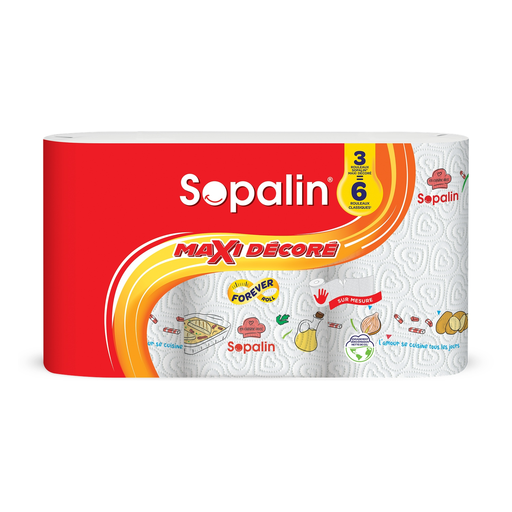
Why this choice suits this profile : Those who care about how their kitchen looks may prefer decorated kitchen roll in jumbo rolls, with half-sheets so you can adjust the amount used to suit each need.
The jumbo format comes with half-sheets and packaging described as recyclable. This gives you specific criteria to assess beyond the decorative pattern alone.
Three jumbo rolls, a half-sheet format, cellulose wadding and FSC Mix certification stated by the manufacturer.
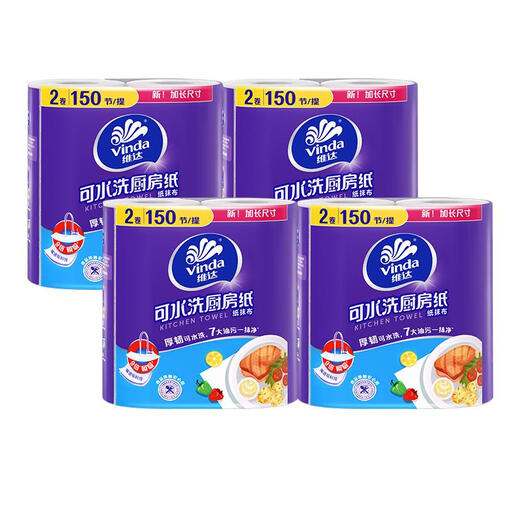
Why this choice suits this profile : Households that frequently clean surfaces, wipe up splashes or clean utensils may benefit from a larger pack, with 8 rolls containing 75 sheets each.
The pack size and number of sheets are clearly specified. You can therefore estimate the available supply without relying solely on the pack’s external volume.
8 rolls, 75 sheets per roll and paper presented as absorbent and strong, even when wet.
We have put together a comprehensive, real-time updated selection of products that meet these demanding criteria and European safety standards.
Choose multi-ply kitchen roll with pronounced embossing and good strength when wet. A sufficiently durable sheet means you will not need to use several for the same task. When frying, always allow food to cool and use the paper in accordance with the manufacturer’s recommendations.
Not always. Even when a product is described as compostable, check the conditions specified on the packaging and the rules in force locally. Paper soiled with chemicals, detergents or certain types of grease may not be accepted in compost. If in doubt, dispose of it with general household waste, in accordance with your local council’s guidance.
Choose economical kitchen roll with half-sheets or perforations suited to how you use it. Use half a sheet for small marks and keep full sheets for larger splashes. For lightly soiled surfaces, a washable cloth or reusable kitchen roll can also replace paper occasionally, provided it is washed and dried properly between uses.