Selection criteria
First compare appliances of the same type and with a similar capacity, then check the standardised data that matches your everyday use.
| Priority |
What to check |
Your needs |
| Continuous refrigeration |
Compare kWh/year, usable volume and energy rating between appliances of a similar type. Check the label and the EPREL record for the exact model. |
I want to know whether my fridge-freezer, combined fridge-freezer or freezer genuinely needs replacing, without buying an appliance that is larger than necessary. |
| Dishwasher |
Check kWh/100 Eco cycles, litres per cycle, Eco programme duration, place settings and noise level. The European Commission states that this information appears on dishwasher labels. |
I want an appliance that suits my usual cycles and the amount of washing-up produced by my household, without paying to power capacity that is rarely used. |
| Capacity and functions |
Choose refrigeration volume and the number of place settings according to the storage and cycles you actually need. Select only the functions you will use every day. |
My aim is to size the appliance appropriately for my household, rather than assuming that a new or larger appliance will automatically lower my energy bill. |
| Repair and collection |
Note down the reference of your existing appliance and check whether it can be repaired. Before delivery, confirm the arrangements for collecting the old appliance. |
I want to compare replacement with continued use or repair, and arrange for the old equipment to be taken away. |
Joybuy products
Joybuy options for comparing refrigeration appliances, a compact dishwasher and an induction hob as part of a replacement decision linked to electricity costs.
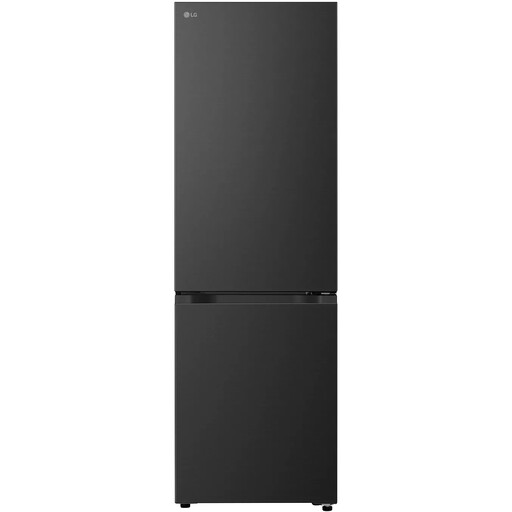 Image unavailable
LG GBBS312AEV 333 L fridge-freezer
For a household that needs a medium-sized fridge-freezer and wants to compare annual consumption with usable volume.
The product sheet states 108 kWh/year, an A rating, 333 L in total, including 220 L of refrigeration space and 113 L of freezer space, with No Frost and reversible doors.
Check the energy label and EPREL record for the exact model, as well as the clearance required for installation.
Joybuy
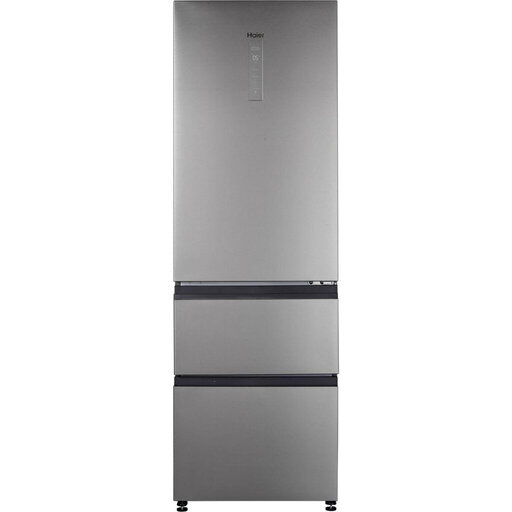 Image unavailable
Haier HTW5618ENMG 360 L fridge-freezer
Only consider this model if its separate compartments meet your household’s actual fresh and frozen storage needs.
The product sheet states 271 kWh/year, an E rating, 235 L of refrigeration space and 125 L of freezer space, with Total No Frost, Wi-Fi and My Zone.
Compare this consumption with that of fridge-freezers of a similar volume and configuration, and check the EPREL record and available space.
Joybuy
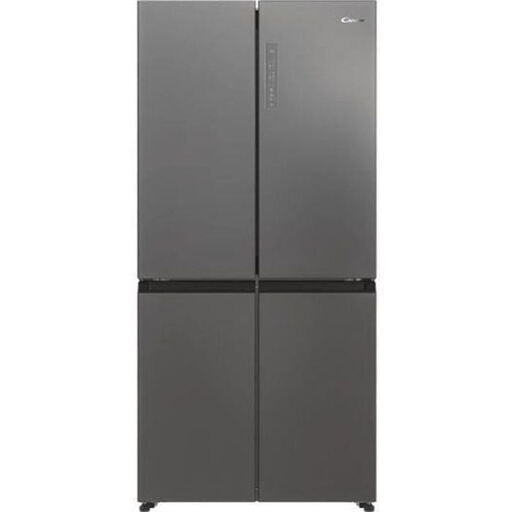 Image unavailable
Candy CFQQ5T817EPS 467 L multi-door fridge-freezer
This format is suitable for a household with genuinely high fresh and frozen storage requirements.
The product sheet states 290 kWh/year, an E rating, 467 L in total, including 311 L of refrigeration space and 156 L of freezer space, with Total No Frost.
The volume may be excessive for a small household; also check the 83.3 cm width, ventilation clearances and collection of your old appliance.
Joybuy
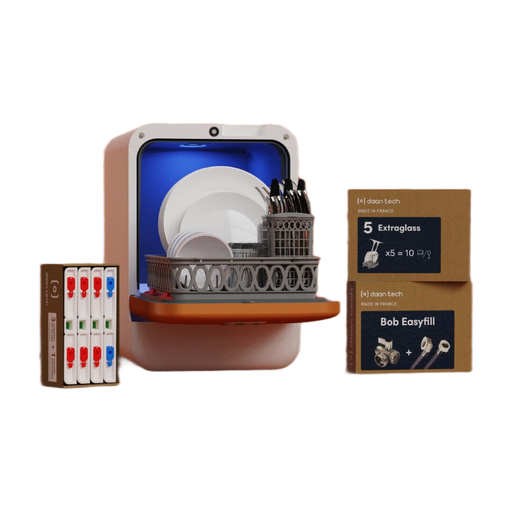 Image unavailable
Bob The Eco-Compact Dishwasher, All-Options pack
A compact option for a small household or kitchen, provided a capacity of 2 place settings is enough for your usual cycles.
The product sheet lists five programmes, a touch panel, 43 dB, 1.9 L per cycle and 0.39 kWh per cycle.
Check the Eco programme data, cold-water and waste connections, and ensure the installation surface is stable.
Joybuy
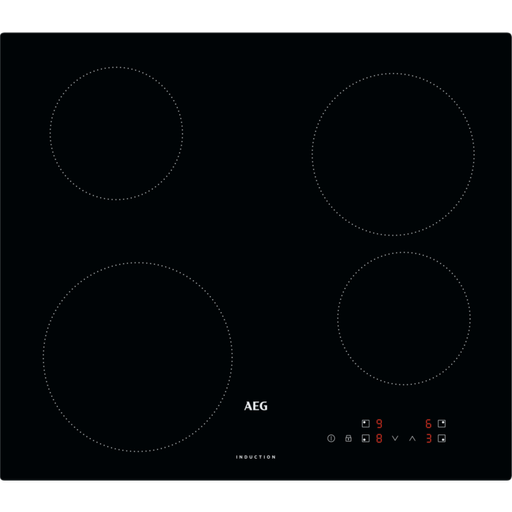 Image unavailable
AEG IBS64200CB 59 cm induction hob
Worth considering for regular cooking with induction-compatible cookware and a suitable cut-out in the worktop.
The hob has four zones, a Booster function, pan detection, a residual-heat indicator and touch controls.
Check the 56 × 49 cm cut-out, ventilation, 220–240 V or 400 V 2N wiring, and arrange for installation by a qualified professional.
Joybuy
Frequently asked questions
Will a new appliance automatically reduce my electricity bill?
No. Comparison is useful when you assess the new appliance against your old one or other similar candidates with comparable capacity and type, then take your usage frequency into account. ADEME’s figures are national benchmarks and do not replace measuring the appliance you own.
Which figures should I check for a fridge or freezer?
As a minimum, check kWh/year, usable volume, energy rating and noise level. ADEME and the European Commission recommend consulting the label and EPREL record for the declared model, rather than comparing rating letters alone between appliances of very different sizes.
How should I compare two dishwashers?
Compare kWh per 100 Eco programme cycles, litres per cycle, Eco duration, place settings and noise level. To estimate annual consumption, multiply the kWh/100 cycles by the expected number of cycles and then divide by 100; the result remains linked to the reference Eco programme, as the European Commission explains.
Does an induction hob have an energy label like a fridge?
No. The European Commission states that there is no energy-labelling requirement for hobs. Compare the technology, your cooking habits and cookware compatibility instead of an A–G rating.


