
Livraison le jour même ou le lendemain

Qualité garantie

Débloquez vos offres de bienvenue: Livraison GRATUITE | Jusqu'à -80 % | 30 jours d'essai gratuits à JoyPlus
Téléchargez l'application
Equipping your kitchen with the right kitchen utensils can quickly become a headache. Between marketing promises and a multitude of options, it's easy to end up with drawers full of useless or poor-quality accessories. Whether you're moving into a new home or looking to upgrade your gear, common pitfalls can turn what should have been a wise investment into a regrettable expense.
The most common trap? Falling for the allure of mega kitchen utensil sets with over 20 pieces. Often, only a handful of them are genuinely useful, while the rest, typically of lower quality, end up collecting dust in a drawer. Another pitfall is overlooking material quality: a non-stick coating that flakes off after a few months or a plastic handle that warps from heat makes a utensil not only unusable but also potentially dangerous.
This guide is here to help you navigate the options, giving you the keys to choosing functional, durable products that are truly suited to your needs.
Before you buy, consider a few fundamental parameters that determine the quality and longevity of your future utensils.
The choice of material is the primary indicator of a utensil's performance. Each material has its own specific advantages:
A good utensil is, above all, one that is comfortable to use. Pay close attention to the handle design. Is it comfortable to hold? Does it offer a good grip, even with wet hands? A poorly designed vegetable peeler can quickly turn meal prep into a chore.
Also consider ease of cleaning. Single-piece utensils or those with smooth joints prevent food residue from building up. Dishwasher compatibility is a significant convenience for daily use.
Rather than accumulating hyper-specific gadgets, opt for versatile tools that can perform multiple tasks. A good chef's knife, a heat-resistant spatula, and a sturdy pair of tongs form a much more useful foundation than a pineapple corer or a cherry pitter you'll only use once a year.
However, certain specialised baking accessories or kitchen tools, like a quality salt and pepper grinder or a mortar and pestle, can truly elevate your dishes if they match your cooking habits. The idea is to make a conscious choice that aligns with what you actually cook.
To help you see how these criteria apply in practice, here are some recommended options, categorised by user profile.
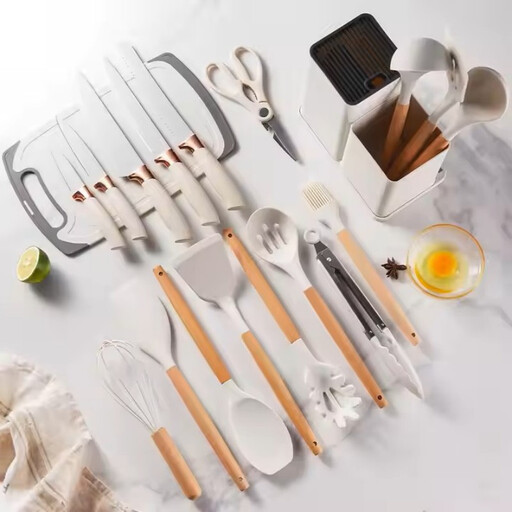
Why we chose it: Ideal for a first home or for upgrading the essentials on a budget. This set combines basic cutting tools and prep utensils, offering a complete and cohesive solution to get you started.
It bypasses the low-quality "mega-set" trap by focusing on functional pieces: silicone utensils that protect your pans and knives for everyday tasks.
It provides a complete and versatile foundation for daily cooking, with materials designed for modern (non-stick) cookware.
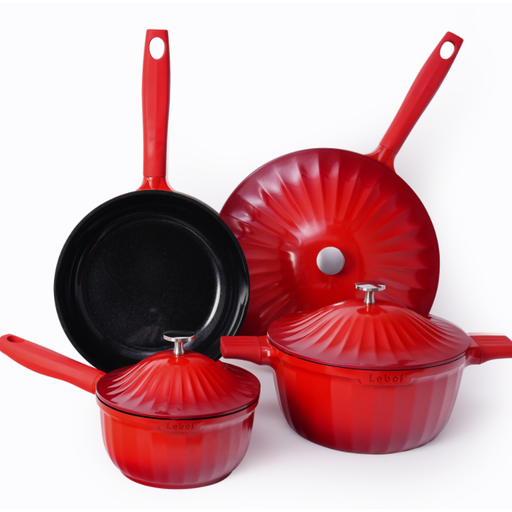
Why we chose it: For those who cook daily and seek durable performance. This set focuses on quality materials for healthy cooking and enhanced longevity.
It tackles the problem of non-stick coatings that degrade quickly. Its titanium-reinforced ceramic coating is designed to better resist scratches and is free of PFAS, PFOA, and PTFE.
Its die-cast aluminium structure ensures fast and even heat conduction. A major plus: it is compatible with all hobs, including induction.
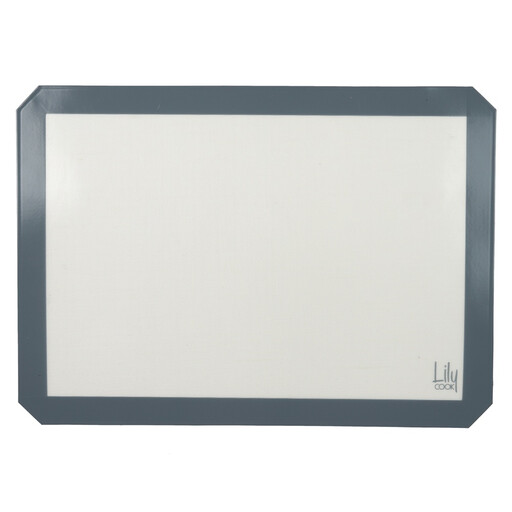
Why we chose it: An essential accessory for baking enthusiasts who want to combine practicality with a sustainable approach. It replaces disposable baking paper and makes working with dough easier.
It ends the recurring expense and waste of parchment paper. It's a small investment that quickly pays for itself, simplifying baking and cleanup while being more eco-friendly.
Its non-stick silicone surface allows for baking without added grease. Washable and reusable, it provides a generous work surface (42 x 30 cm) for rolling out dough.
We have compiled a comprehensive list of products that meet our demanding selection criteria and current safety standards.
What is the average lifespan of a non-stick cookware set? It all depends on the quality of the coating and how it's maintained. An entry-level coating will hardly last more than 1 to 2 years. Conversely, a high-quality coating (ceramic, multi-layer), well-maintained with suitable utensils (silicone, wood) and hand-washed, can retain its properties for 5 years or even longer.
Are silicone utensils really safe for your health? Yes, provided you choose "food-grade" silicone that is explicitly labelled as BPA-free. This type of silicone is stable, inert, and does not release any harmful substances when in contact with food, even at high temperatures (usually up to 230?°C). It is therefore a perfectly safe option for food contact.
How can I properly maintain my kitchen knives to keep them sharp? To preserve the edge of your kitchen knives, avoid the dishwasher, as its harsh detergents and the impacts can dull and damage the blade. Wash them by hand with a soft sponge and dry them immediately. Store them in a knife block or on a magnetic strip to prevent the blades from getting damaged by knocking against each other in a drawer. Regular sharpening with a honing steel or a suitable sharpener is also essential.