
Livraison le jour même ou le lendemain

Qualité garantie

Débloquez vos offres de bienvenue: Livraison GRATUITE | Jusqu'à -80 % | 30 jours d'essai gratuits à JoyPlus
Téléchargez l'application
Equipping your kitchen can quickly become a headache. Faced with the siren song of marketing and an overwhelming number of options, we often end up with drawers full of useless utensils or tools that break after just a few months. To help you invest wisely, our editorial team has broken down the common pitfalls to avoid and the essential criteria for making the right choice.
The goal isn't to hoard, but to equip yourself with kitchen equipment that is both functional and durable. Here are the most frequent purchasing mistakes and how to avoid them:
To avoid falling into these traps, two pillars should guide your choice: the quality of materials and smart design.
The material is the primary indicator of a utensil's quality. It determines not only its lifespan but also its safety when in contact with food.
A good utensil should feel effortless and make the task simpler, not more complicated.
To illustrate these principles, here are a few gems we've uncovered, matched with specific user profiles.
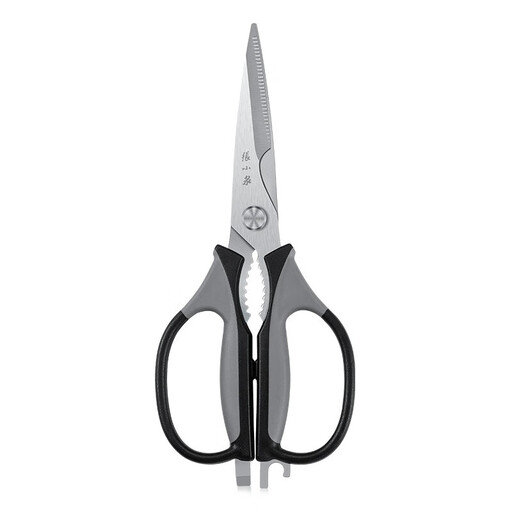
Why it's a great choice: Perfect for quick and varied tasks, from snipping fresh herbs and opening stubborn packaging to cutting small poultry. In short, it's the do-it-all tool you'll always want within reach.
Made from robust stainless steel, these shears won't let you down: say goodbye to rust, blades that bend, or edges that dull after three uses.
Blades that (really) cut and last; an intuitive grip for effortless daily use.
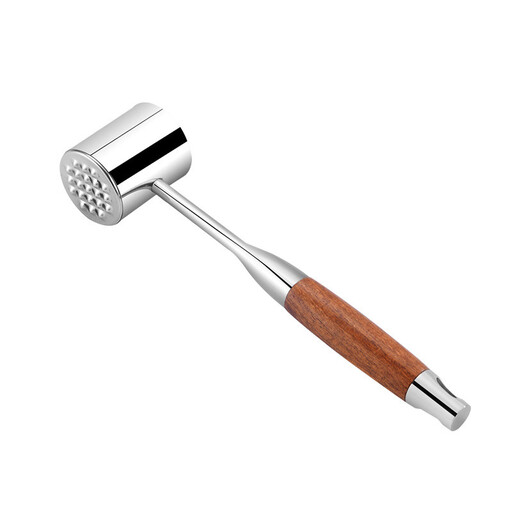
Why it's a great choice: Essential for preparing schnitzel, perfectly tender steaks, or pounded chicken breasts. This is the specialist's tool for professional-grade results at home.
Its ergonomic wooden handle and heavy 304 stainless steel head avoid the pitfall of poorly balanced tools that cause more fatigue than they help.
Dual-sided (smooth for flattening, textured for tenderizing) and perfectly balanced for impressive efficiency.
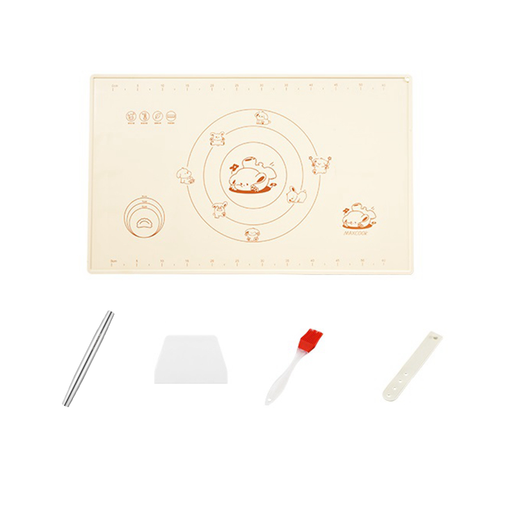
Why it's a great choice: Ideal for preparing pie crusts, cookies, or working with fondant with precision and cleanliness. It transforms any countertop into a pastry chef's station.
Far from being a useless gadget, its non-stick surface and measurement guides make it a truly functional ally. It simplifies dough work and ensures flawless results every time.
Its non-slip surface grips the countertop, and the built-in measurement markings are perfect for precision cuts.
Discover our full selection of utensils that meet our quality criteria and current standards.
It all depends on the material. Stainless steel is easy to clean by hand or in the dishwasher, but immediate drying is recommended to avoid water spots. Utensils with a wooden handle should be hand-washed and dried immediately; occasionally applying mineral oil will preserve the wood. Silicone is the easiest to care for: it's completely dishwasher-safe, but be careful not to cut it with a knife!
Absolutely. The Santoku knife is the Swiss Army knife for the modern cook, renowned for its incredible versatility. Its wide blade and specific tip are equally adept at mincing vegetables, chopping herbs, or slicing boneless meat. For an amateur, it's a smart investment that often replaces both a chef's knife and a paring knife.
For a BBQ tool set, three points are essential. First, handle length: they must be long enough to keep your hands away from the flames. Second, steel quality: a thick, sturdy stainless steel won't bend under heat and will resist rust. Finally, overall sturdiness: ensure the tool heads (spatula, tongs, fork) are securely attached to the handles. There's nothing worse than a spatula head coming loose mid-flip.