
Livraison le jour même ou le lendemain

Qualité garantie

Débloquez vos offres de bienvenue: Livraison GRATUITE | Jusqu'à -80 % | 30 jours d'essai gratuits à JoyPlus
Téléchargez l'application
A well-organised kitchen isn't just about aesthetics: it's the key to finding daily peace of mind and an excellent way to reduce food waste. Yet, with an overwhelming number of options, it's easy to be tempted by the wrong product. Gadgets that create more clutter than they solve, energy-hungry appliances, ineffective storage solutions... a good idea can quickly turn into a purchase you regret. My mission, as a Product Recommendation Manager at Joybuy, is to help you see things more clearly. Let's break down the essential criteria for choosing the right storage and preservation equipment.
Before you start shopping, it's crucial to recognise the most common mistakes that can compromise the usefulness and longevity of your purchases.
small refrigerator or chest freezer without scrutinising its spec sheet is a mistake that costs you more in the long run. A poor energy rating (E or F, common on entry-level models) will inevitably drive up your electricity bill. As for a noise level above 40?dB, it can quickly become a nuisance, especially in a studio or an open-plan kitchen.portable cooler or an insulated backpack that promises to keep things cool "for hours"? Disappointment is often just around the corner. Insulation that's too thin or a lining that isn't perfectly waterproof are the usual culprits. The result: the product loses all its effectiveness after just an hour or two.To make an informed choice, focus on objective data rather than marketing promises. Here are three fundamental parameters.
For a compact refrigerator or a freezer, don't just look at the external dimensions. What really matters is the usable volume in litres (L) and the interior layout. Make sure it has adjustable shelves, a sufficiently large vegetable crisper, and door bins deep enough for your bottles. A well-designed appliance optimises every square centimetre, a crucial factor in our often-compact kitchens.
Whether it's a food storage container or a reusable freezer bag, the material composition is a non-negotiable point. Prioritise stainless steel, glass, or plastics certified as BPA-free and food-grade. For bags, multi-layer composites (like PET/AL/PE) create an effective barrier against light and odours, ensuring better freshness preservation.
For any electrical appliance, check the European energy label. It shows the consumption in kWh/year, giving you a clear idea of its running cost. The noise level, expressed in decibels (dB), is another essential criterion. A 38?dB model will be much quieter than one at 41?dB; the difference is far from trivial, especially in a small living space.
Because every household has specific needs, here are a few products that meet well-defined profiles, selected according to the criteria we've just discussed.
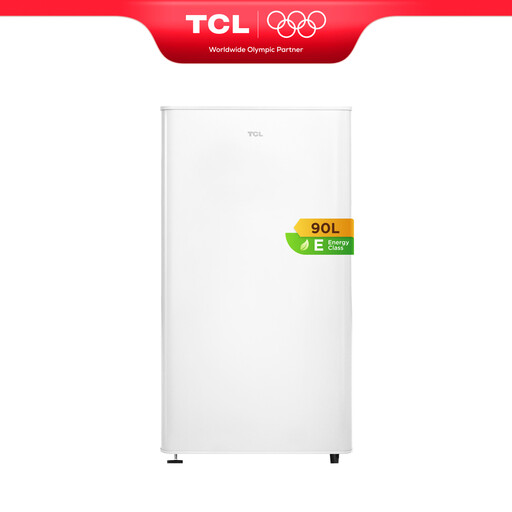
Why it's a good choice: At 45 cm wide for 90 L, this compact refrigerator is designed for small spaces. It focuses on the essentials: enough volume for one person and a "chiller" compartment for delicate items.
It avoids the false economy trap with a transparent spec sheet: a noise level of 40 dB, perfectly acceptable for a studio, and a clear statement of its consumption for its E energy rating.
Its adjustable feet and shelves provide welcome modularity, a real plus for optimising such a small volume.
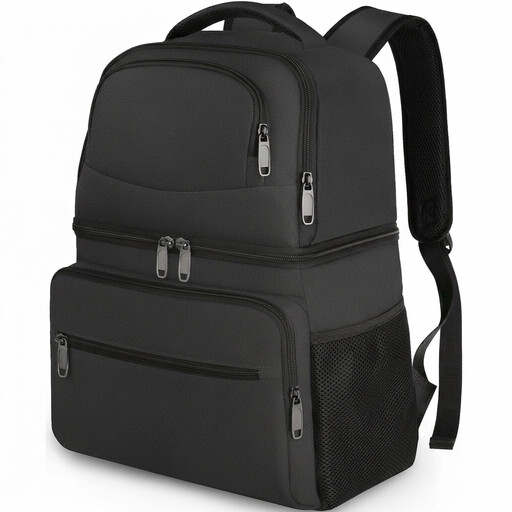
Why it's a good choice: Built for adventure, this insulated backpack frees up your hands and makes organising picnics, hikes, or beach days easy by cleverly separating cold items from dry ones.
It counters the disappointing insulation trap by using high-performance materials: an 8mm thick insulating foam and a waterproof PEVA inner lining, which guarantee better performance to keep things cold for longer.
Its dual-compartment design (an insulated and waterproof lower section, and an upper section for dry items) is its real asset, setting it apart from entry-level models.

Why it's a good choice: Perfect for families who buy in bulk or enjoy batch cooking. This chest freezer offers a generous amount of extra storage (95 L), and its convertible function makes it incredibly versatile.
It is transparent about its performance: very quiet operation at 38 dB and controlled energy consumption for its category. Its versatility means you avoid investing in a single-use appliance.
Its convertible function allows you to switch between refrigerator and freezer modes. This is a highly valuable flexibility to adapt to your needs (bulk shopping, hosting guests, etc.).
Discover our full selection of products that tick all the boxes: performance, safety, and compliance with current standards.
How can I optimise space in a small fridge? Using a fridge organiser is an excellent idea. Opt for stackable and transparent models to see the contents at a glance. Favour square or rectangular storage boxes, which fit together more easily than round containers. Also, consider using the vertical space with add-on shelves.
Are reusable freezer bags really hygienic? Yes, as long as they are properly maintained. Most quality models, like those made of PET/AL/PE composite, are designed to be washed. A simple hand wash with warm water and mild soap is sufficient. Rinse them well and, crucially, let them air dry completely before storing them. Their non-porous surface prevents bacterial growth.
What is the average lifespan of a compact refrigerator? Its longevity depends on its build quality and maintenance. On average, a well-maintained small refrigerator has a lifespan of 6 to 10 years. To make it last as long as possible, leave enough space at the back for ventilation, clean the door seals regularly, and remember to defrost it when necessary (except for frost-free models).