
Livraison le jour même ou le lendemain

Qualité garantie

Débloquez vos offres de bienvenue: Livraison GRATUITE | Jusqu'à -80 % | 30 jours d'essai gratuits à JoyPlus
Téléchargez l'application
A well-designed kitchen simplifies your life: meal prep becomes a pleasure, food waste is reduced, and you gain precious peace of mind every day. The problem is, the kitchen storage and organization aisle is overflowing with products that make tempting promises but are often disappointing in practice. Between leaky containers and ill-fitting organizers, it's easy to throw your money down the drain.
As a product manager and tableware specialist at Joybuy, my mission is to help you navigate this jungle. This guide gets straight to the point: giving you the keys to make smart choices and avoid the most common pitfalls.
Before you pull out your credit card, beware of these three issues that can turn a smart purchase into a future headache.
To avoid falling into the trap, here are the technical points that really make a difference.
The material of your food storage container is crucial for its lifespan, hygiene, and versatility.
Beyond the material, it's the smart design that makes all the difference in daily use.
Here are a few options that stand out for their design and suitability for specific uses, taking the above criteria into account.
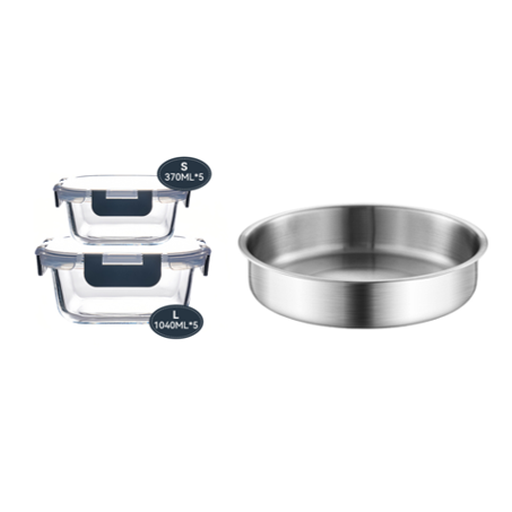
Why we chose it: This set is the perfect foundation for meal prep fans. The borosilicate glass is ultra-hygienic, goes from the freezer to the oven (without the lid), and retains no odors—an essential feature for enjoying a variety of meals.
Borosilicate glass is immune to stains and odors, unlike low-quality plastics. Its robust clip-on lids ensure a much more reliable seal than simple press-on lids.
The set includes two sizes (1040 ml and 370 ml), perfect for main dishes and smaller portions. The cherry on top: it comes with a durable and practical 304 stainless steel plate.
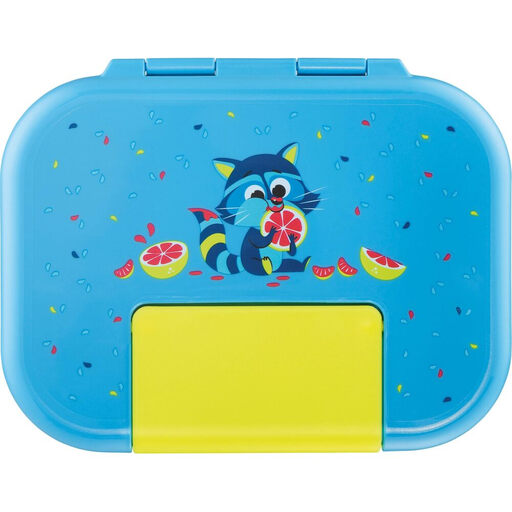
Why we chose it: The ideal kid's lunch box has to be practical. This model was designed with little hands in mind, featuring an easy-to-open-and-close clip. Its stainless steel base is virtually unbreakable—a real plus for surviving the chaos of the playground.
Its lid is attached to the base, so it's impossible to lose! The easy-to-spot clip is designed for kids to use independently, a far cry from overly complex closures.
The 18/8 stainless steel base is both durable and hygienic. The gasket ensures a good seal for solid or moist foods (but we'd avoid soups).
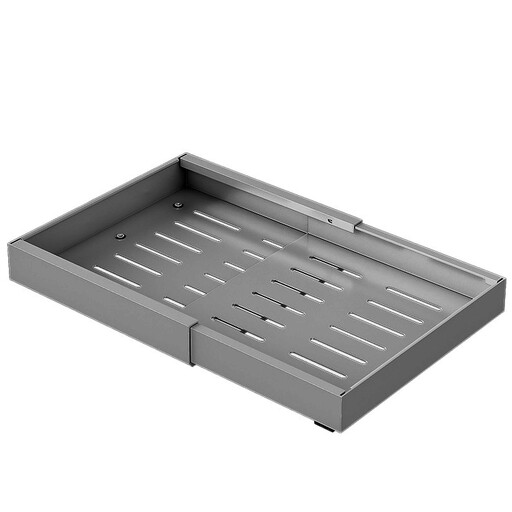
Why we chose it: This is the perfect solution for utilizing the wasted space under the sink or in the back of a cabinet. Its no-drill, no-screw installation and sturdy carbon steel frame make it a prime ally for renters who want to protect their furniture.
Its width is adjustable (from 32 to 52 cm), allowing it to fit into most standard European kitchen cabinets, unlike fixed-size models that often end up on the curb.
The no-drill installation preserves your cabinets, and the sliding baskets finally make products stored in the very back accessible.
We have curated a complete range of products for you that meet our quality criteria and current safety standards.
It all depends on the use case. Glass is unbeatable for at-home storage (fridge, freezer) and reheating (microwave, oven) because it's transparent and neutral. Stainless steel, on the other hand, is the champion of portability (lunches, picnics) thanks to its light weight and durability. Its only drawback: it's not microwave-safe.
Absolutely, as long as you choose a quality model. Systems with high-performance adhesive rails or tension mechanisms are very stable for the recommended load (often around 15 kg). The trick for a perfect hold: thoroughly degrease and dry the surface before installation, and most importantly, never exceed the maximum load capacity indicated by the manufacturer.
Both are food-grade steels and are perfectly safe. 304 steel (or 18/8) is the most common and is already very rust-resistant. 316 steel goes a step further: it contains molybdenum, which boosts its resistance to corrosion, particularly from salt and acids. For a hot food thermos that will often hold soups or saucy dishes, 316 is a guarantee of longevity. For everyday use, 304 is more than sufficient.