
Livraison le jour même ou le lendemain

Qualité garantie

Débloquez vos offres de bienvenue: Livraison GRATUITE | Jusqu'à -80 % | 30 jours d'essai gratuits à JoyPlus
Téléchargez l'application
A well-organised kitchen isn't just about aesthetics; it's the key to a smoother, more enjoyable daily routine. Yet, finding the perfect kitchen storage solution can often feel like an uphill battle. It's easy to fall for marketing promises and end up with accessories that create more clutter than they solve.
I'm the Head of Product Recommendations at Joybuy, and my job is to do the groundwork for you. Let's cut through the marketing jargon and get straight to the point. Here are the most common pitfalls and the essential criteria for making the right choice, mistake-free.
Before you pull out your credit card, let's review the design flaws that turn a good idea into a regrettable purchase.
For successful kitchen space optimisation, three points need close inspection.
The choice of material is crucial for the lifespan and hygiene of your kitchen accessories.
This step is too often skipped, yet it's crucial. Before any purchase, take out your tape measure and precisely measure the available space:
A good design proves its worth in daily use. Look for the details that make all the difference:
Instead of an endless list, here are targeted solutions that meet specific needs, all vetted against the criteria we've just discussed.
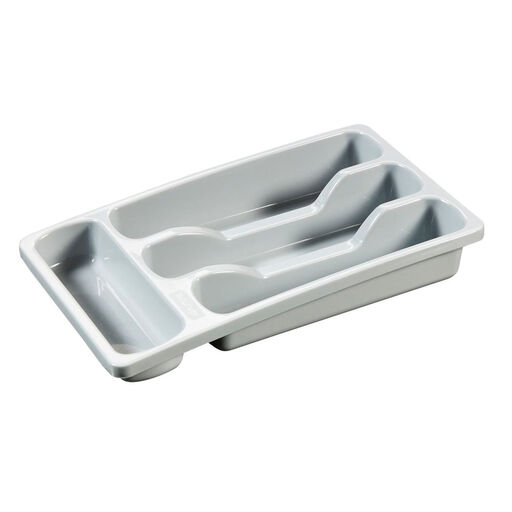
Why we chose it: A simple and effective solution for those with small drawers looking to organise the essentials without any fuss. Its compact dimensions are ideal for apartment kitchens or kitchenettes.
Its precise dimensions (33 x 20 cm) bypass the "universal" organiser trap. Made from polypropylene, it's impervious to rust and very easy to clean, thwarting hygiene and maintenance issues.
Compact dimensions perfect for narrow drawers. Durable and easy-to-maintain plastic material.
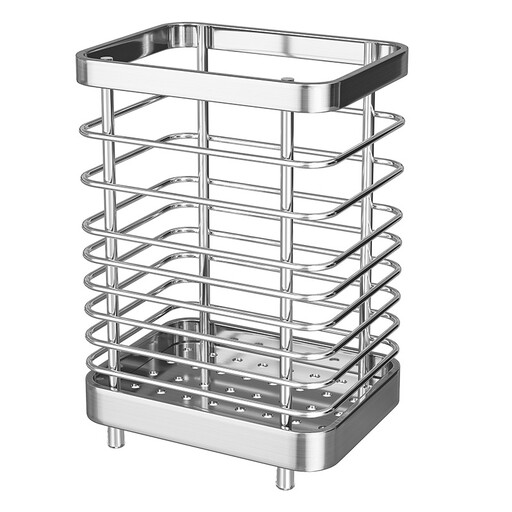
Why we chose it: Ideal for keeping spatulas, whisks, and spoons within easy reach, while keeping the countertop dry and tidy. Its sleek, ventilated design fits in perfectly near the sink or hob.
Its 304 stainless steel construction is a guarantee against rust. The removable drip tray and open-frame design thwart the twin pitfalls of complex cleaning and stagnant water.
Food-grade, anti-rust material. Removable drip tray for hygienic maintenance.
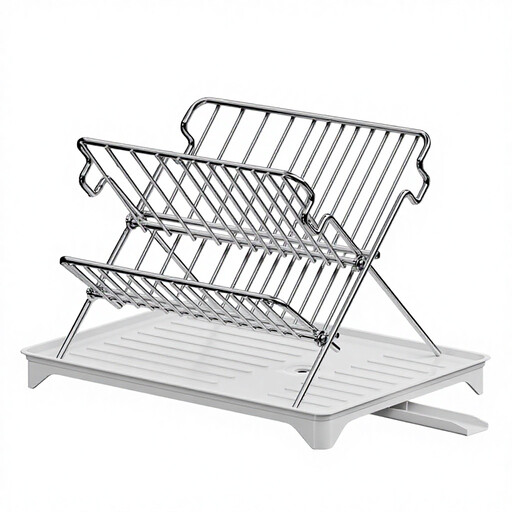
Why we chose it: Perfect for handling a family's daily flow of dishes. Its two-tier structure doubles the drying capacity without cannibalising your worktop, and its foldable design frees up space once the dishes are put away.
Its foldable design solves the problem of permanent countertop clutter. The combination of stainless steel and PP plastic ensures good rust resistance and simple cleaning.
Large two-tier capacity and a foldable design for maximum space-saving.
We have compiled a complete selection of products that meet these demanding specifications and all relevant standards.
The only foolproof method: take out a tape measure and precisely measure the width, depth, and especially the internal height of your drawer. Then, compare these three measurements with the product's dimensions, leaving a small margin of a few millimetres to insert and remove it without force.
Not necessarily. A well-made plastic dish rack (like polypropylene), if well-designed (good ventilation, easy to clean), is perfectly hygienic. The advantage of 304 stainless steel is its non-porous nature and excellent durability. In either case, regular cleaning is essential to prevent bacteria growth.
For stainless steel, a soft cloth with soapy water is sufficient. Rinse and dry thoroughly to avoid limescale marks. For plastic, a simple wash with hot, soapy water is effective. The universal advice: avoid abrasive sponges and scouring powders. They create micro-scratches where dirt can get trapped and can damage protective coatings.