
Livraison le jour même ou le lendemain

Qualité garantie

Débloquez vos offres de bienvenue: Livraison GRATUITE | Jusqu'à -80 % | 30 jours d'essai gratuits à JoyPlus
Téléchargez l'application
A kitchen storage basket can clear your worktop, keep fruit together or make draining easier. But between flattering photos and promises of versatility, it’s not always easy to make the right choice. Whether you’re in a studio flat or a family kitchen, the same pitfalls keep cropping up.
The first is confusing stated capacity with actual footprint. A 30 L storage basket might be handy for carrying or storing things, but it can be too bulky for a narrow shelf or worktop. The second concerns materials: a decorative basket isn’t necessarily designed for damp food or daily rinsing. Finally, some models look well thought out on paper, but their handles, stability or opening mechanism turn out to be poorly suited to everyday use.
Here are the criteria to check before buying a fruit bowl, a fruit and vegetable basket or a draining accessory.
Start by measuring the available space, even before you look at the technical specs. For a fruit bowl placed on a unit, width and height are the most important dimensions. At 28 × 15.5 × 7.5 cm, the JORDAN&JUDY metal basket is relatively low and can sit on a table, console or shallow worktop.
For mobile storage, a capacity of around 30 L offers more volume. On the flip side, dimensions of 43.5 × 30 × 24 cm mean you’ll need to set aside a spot for it. This size is better suited to storing accessories, carrying items or temporary storage than to a small kitchen shelf.
Also remember to check:
The material should be chosen based on the moisture the basket will be exposed to, the weight it will need to support and the level of maintenance you’re after.
A woven or fabric basket can be used for storing small accessories, but shouldn’t automatically be used for unwrapped food. Always check the instructions that come with the product.
A closed or overly deep fruit basket can trap moisture and speed up the spoiling of certain foods. An openwork structure encourages air circulation. Meanwhile, an expandable drainer or colander should let water flow directly into the sink.
For everyday use, go for:
The following models meet different needs: displaying fruit, carrying items, making use of available height or washing food. The dimensions and materials listed are those given on each product page.
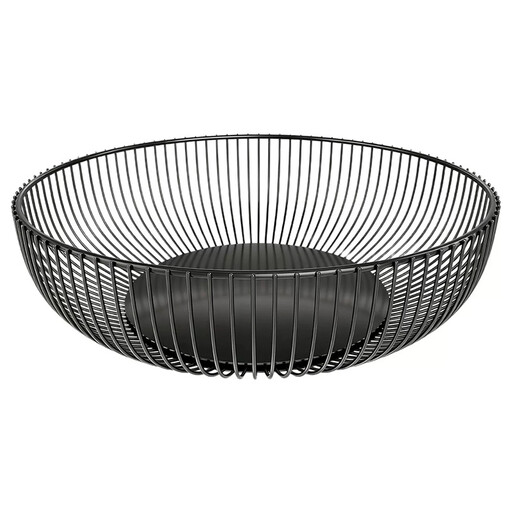
Why this choice suits this profile: Its size of 28 × 15.5 × 7.5 cm is ideal for organising fruit on a table, shelf or shallow worktop.
Its openwork metal structure avoids the ‘closed box’ effect, while its small footprint reduces the risk of buying an oversized model.
Compact size, wire construction and direct access to contents.
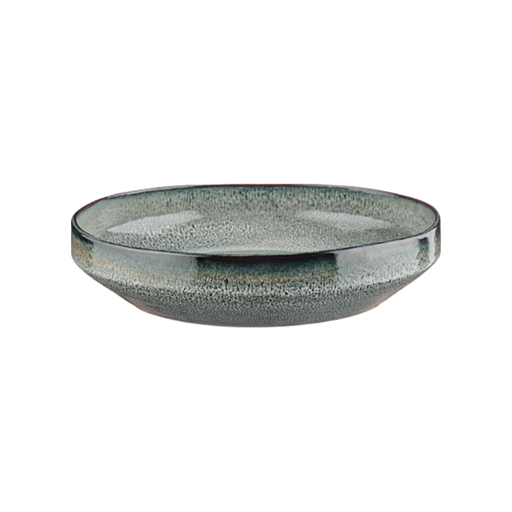
Why this choice suits this profile: With its 28 cm diameter and earthy-toned finish, it fits on a table where the fruit bowl also plays a decorative role.
The product page clearly states it is stoneware and details the usage limits, including that it must not be placed in the oven or microwave.
28 cm diameter, described as easy to clean and genuine decorative potential.
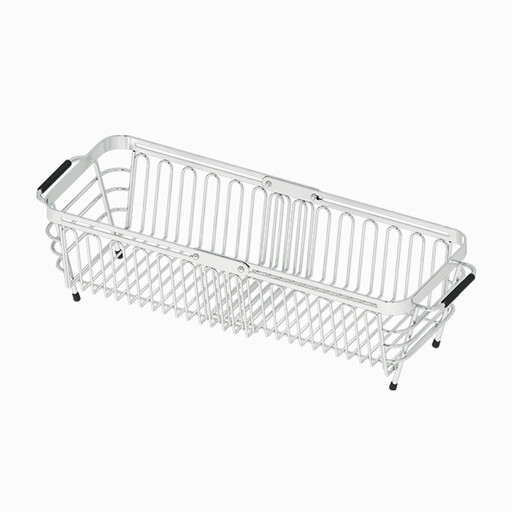
Why this choice suits this profile: This model meets the needs of households that regularly wash vegetables, fruit, dishes or utensils in a sink of varying width.
Its adjustable length from 29 to 44 cm lets you adapt the accessory to your sink, rather than having to make do with a fixed size.
304 stainless steel, extendable length and dual function as a dish drainer and colander.
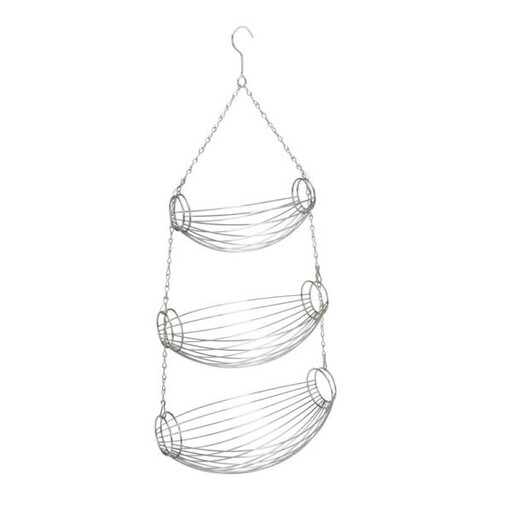
Why this choice suits this profile: Its vertical design works well in kitchens where worktop space is limited and you have a wall or ceiling fixing point.
The product page recommends checking the strength of the fixing point and not overloading the basket – two precautions that are often overlooked.
Metal construction, 15 cm width, 72 cm height and good air circulation around food.
We’ve put together a comprehensive selection, updated in real time, of products that meet these exacting criteria as well as European safety standards.
Yes, if its design and the manufacturer’s instructions allow it. For whole fruit, choose an openwork, stable structure that’s easy to clean. A basket designed for storing objects or packaged food should not automatically be used for unwrapped fresh produce.
A dish drainer or an expandable colander in stainless steel will be more suitable than a decorative basket. Check its adjustable width, its stability over the sink and whether it can be rinsed and dried quickly.
Respect the maximum load stated, avoid abrasive products and dry metal surfaces after washing. For a foldable basket in PP and MDF, clean the different parts with a soft cloth and avoid leaving them to soak. A stackable storage basket should also be kept on a flat surface, without overloading it in a way that could distort its structure.