
Livraison le jour même ou le lendemain

Qualité garantie

Débloquez vos offres de bienvenue: Livraison GRATUITE | Jusqu'à -80 % | 30 jours d'essai gratuits à JoyPlus
Téléchargez l'application
Whether you're scooping golden fries from hot oil, draining a generous portion of pasta, or serving olives straight from the jar, a good kitchen skimmer is an invaluable tool. But with an overwhelming number of models on the market, finding the right one can be a challenge. Don't worry—we're here to walk you through the essential criteria to help you make the perfect choice, without all the marketing jargon.
The perfect skimmer for you ultimately depends on how you plan to use it. Here are the key points to consider before you make a purchase.
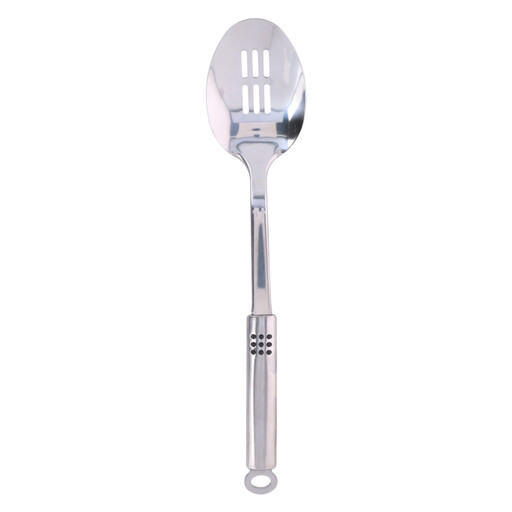
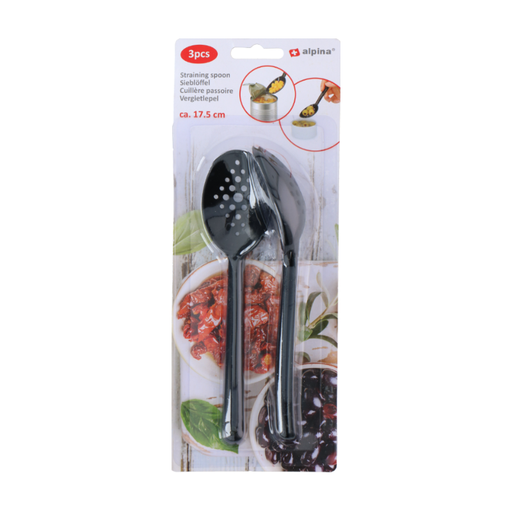
The choice of material is crucial. A stainless steel skimmer is often the most sensible choice: it's sturdy, highly heat-resistant, and a breeze to clean. Food-grade 304 stainless steel is particularly excellent, as it won't rust, retain flavours or odours, and can withstand extreme temperatures. This makes it the preferred material for a frying skimmer. Lighter plastic or nylon models are a good alternative for use with non-stick pots and pans to prevent scratching. However, be sure to check their maximum heat resistance!
The head of the skimmer determines its primary function.
A long handle isn't a gimmick; it's a safety feature, especially when dealing with boiling oil or pasta water. A comfortable grip is also important, as is ease of storage. A simple hanging hole can make all the difference in keeping your kitchen organised and your utensils within easy reach, particularly if you're building a complete kitchen utensil set.
To put theory into practice, here is our selection of models, each designed to meet a specific need.

Did none of these models catch your eye? Or perhaps you just want to explore other avenues to complete your kitchen setup? Every kitchen is unique, and the perfect utensil for yours is out there.
Discover our full range of Kitchen Spoons to find the tool that will fit perfectly into your cookware collection.
Although they are often confused, they are two distinct tools. A classic skimmer (or slotted spoon) has a solid head with holes or slots. The spider strainer, on the other hand, is recognisable by its fine wire mesh basket. The former is perfect for bulky foods, while the latter excels at frying and handling smaller or more delicate items.
The good news is that most stainless steel skimmers are dishwasher-safe. However, to keep it looking brand new, hand-washing with a soft sponge is still the best option. Be sure to dry it thoroughly after washing to prevent unsightly water spots. And of course, avoid abrasive sponges that could scratch the surface.
Absolutely not! Using a plastic skimmer for deep-frying is strongly discouraged. Frying oil can reach up to 190°C, a temperature far too high for plastic, which risks melting or warping—even if it's sold as "heat-resistant." When it comes to frying, safety is paramount: always opt for a stainless steel model.