
Livraison le jour même ou le lendemain

Qualité garantie

Débloquez vos offres de bienvenue: Livraison GRATUITE | Jusqu'à -80 % | 30 jours d'essai gratuits à JoyPlus
Téléchargez l'application
A kitchen sideboard with integrated sockets seems like the perfect solution for modern kitchens, especially in small spaces. It promises to centralise storage, provide extra counter space, and let you plug in your appliances without a clutter of extension cords. But be warned: this attractive promise often hides pitfalls that can turn a practical purchase into a costly mistake. As the Head of Product Recommendations at Joybuy, my mission is to help you make an informed decision.
Before you commit, let's review the 3 most common mistakes and, more importantly, how to avoid them.
The appeal of a new gadget and a long list of features can sometimes make us forget the essentials. Here are the key points you should never overlook.
To avoid making the wrong choice, focus on a few objective technical specifications. These are the true guarantees of quality and practicality in a kitchen sideboard with sockets.
No compromises can be made when it comes to the electrical components. You must check the following points:
The longevity of your furniture will depend directly on its construction.
A good storage unit should adapt to you, not the other way around.
Every household has different needs. Here is a selection of units that address specific problems while meeting the quality criteria we've just discussed.
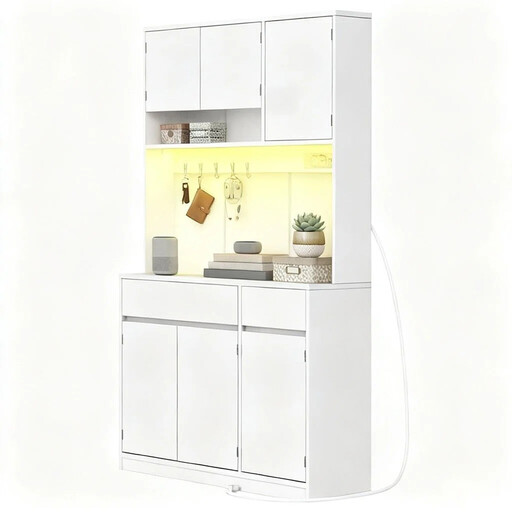
Why it's a great choice: Ideal for those who want a complete, no-compromise solution. This unit combines a large storage volume, a functional worktop, and a power station to consolidate everything in one place.
It includes a complete power station (2x 230V sockets + 2x USB ports) designed for realistic use, avoiding the trap of underpowered connectivity. Its shelves are adjustable, countering the "superficial modularity" problem.
Full integration: sockets, USB, and LED lighting. Large storage capacity with distinct zones (cupboards, drawers, open shelves).
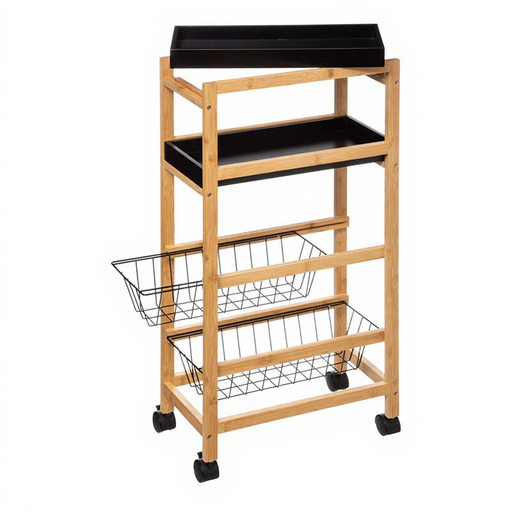
Why it's a great choice: Perfect for studio flats or kitchens where every centimetre counts. This vertical trolley offers storage without taking up valuable floor space. It's designed to maximise storage in an unused corner.
It avoids the trap of flimsy materials. Bamboo is naturally more resistant to moisture than low-end particleboard, making it a smart choice for a kitchen or bathroom.
Ultra-compact design (22 cm wide) and durable natural material (FSC-certified bamboo). Practical removable baskets for organisation and cleaning.
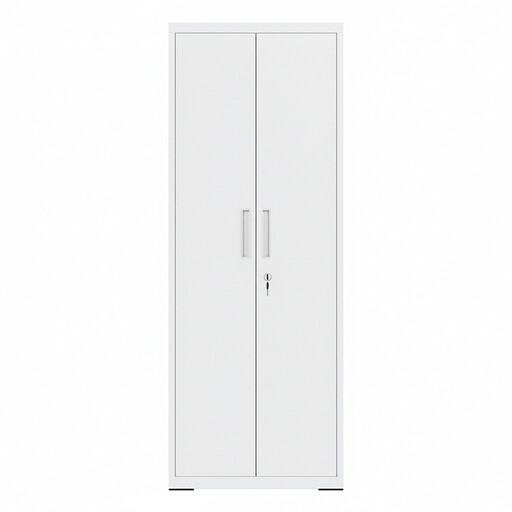
Why it's a great choice: For those who prioritise load capacity and durability above all else. Ideal as a pantry or for storing heavy appliances, this steel cabinet is a no-frills, but extremely sturdy, storage solution.
This cabinet completely bypasses the flimsy material trap. Its powder-coated steel structure is designed to support heavy loads (up to 25 kg per shelf) and stand the test of time, far better than any particleboard unit.
Very robust steel construction and high load capacity. Height-adjustable shelves and lockable doors for added security.
We've compiled a complete, up-to-date list of products that meet our quality criteria and safety standards.
1. What is the maximum power load for the sockets on a kitchen sideboard? The maximum supported power is usually indicated on the power block or in the manual, expressed in watts (W). A standard value is around 2300W to 3500W for the entire block. It is advisable not to plug in several high-consumption appliances (oven, kettle, toaster) simultaneously to avoid any overload.
2. How do I care for a kitchen unit made of particleboard? The secret is to avoid prolonged exposure to water. Wipe up any spills immediately with a dry cloth. For cleaning, use a soft, slightly damp cloth, then dry the surface. Never use abrasive cleaners or harsh detergents that could damage the melamine coating.
3. Can a sideboard with a worktop really replace a kitchen island? It can serve as an excellent extension of your existing counter space, ideal for food prep, placing dishes, or setting up a coffee machine. However, its depth and surface area are generally more limited than a true island. Think of it more as a highly practical auxiliary space rather than a central cooking station.