
Livraison le jour même ou le lendemain

Qualité garantie

Débloquez vos offres de bienvenue: Livraison GRATUITE | Jusqu'à -80 % | 30 jours d'essai gratuits à JoyPlus
Téléchargez l'application
Kitchen roll may seem like a very ordinary household essential, but the differences between rolls are far from insignificant: the number of sheets, thickness, wet strength, perforations and manufacturing method all have a direct impact on ease of use and your household budget.
Some marketing claims also deserve a closer look. A roll described as “maxi” does not necessarily contain more paper than another format: to compare them, check the number of sheets and their dimensions. The same applies to the term “highly absorbent”, which does not always explain how the paper performs once wet. As for products advertised as compostable, they cannot simply be disposed of through any waste stream: local guidance and the information on the packaging remain decisive.
A pack of six rolls may seem like good value, even though each roll sometimes contains fewer sheets. To compare two products, check:
The price per roll is therefore not always the best guide. The price per 100 sheets, or the price calculated against the total paper surface area, makes for a more meaningful comparison.
Absorbent paper that tears as soon as it comes into contact with water often means using several sheets. For splashes, greasy liquids or cleaning the worktop, look for precise information about wet strength, the number of plies or the composition of the cellulose tissue.
Manufacturers’ stated performance should be treated as a guide, measured under their own test conditions. Results may vary depending on the amount of liquid, the surface being cleaned and how you pull on the sheet.
Kitchen roll is very convenient for soaking up a spill, wiping a particularly greasy mark or cleaning up quickly after preparing a meal. However, it is not necessarily the best choice for everyday dusting or cleaning large surfaces.
A microfibre cloth, a reusable microfibre cleaning cloth or a tea towel can help reduce paper consumption for repetitive tasks. You simply need to wash them regularly and keep textiles used in the kitchen, bathroom and very dirty areas separate.
Kitchen roll designed to absorb liquids needs to combine a sufficiently thick structure with good absorbency. Two- or three-ply rolls generally feel sturdier than single-ply paper, but thickness alone is not enough to assess a product’s strength.
For everyday needs, a perforated kitchen roll is suitable for drying your hands, dealing with small splashes and quick cleaning. In a family home or a busy household, a maxi kitchen roll means you do not have to replace the roll as often. Products with half-sheets allow you to use an amount suited to smaller spills.
The format should suit the space you have available and your rate of consumption. A pack containing several rolls makes storage easier, provided you keep it somewhere dry and protected from moisture.
Large sheets cover a bigger area, while half-sheets make it easier to adjust the amount you use. For intensive cleaning jobs, dry non-woven wipes may also be useful, particularly when it is important not to leave behind any lint.
The FSC label relates to the claimed responsible sourcing of the fibres, according to the certification scope stated on the product. In particular, check whether it is FSC Mix certification or another variation.
For compostable kitchen roll, check the conditions specified by the manufacturer: home composting, industrial composting or the availability of a suitable waste stream near you. In all cases, used kitchen roll should never be flushed down the toilet. Packaging should be disposed of according to the sorting instructions shown on the packaging and applicable in your local area.
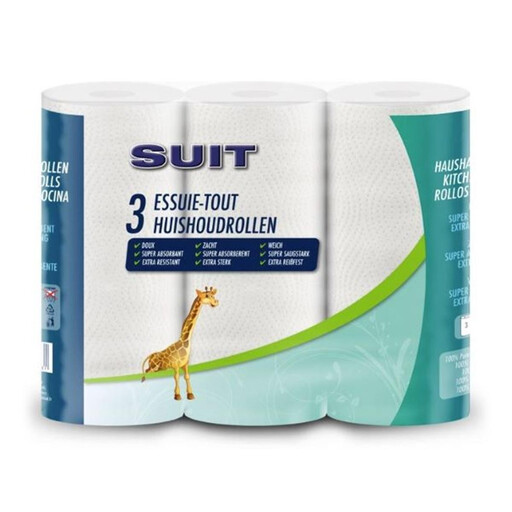
Why this choice suits this profile : This pack of three two-ply rolls, with 48 sheets per roll, offers a straightforward format for small everyday jobs.
The number of rolls and sheets is clearly stated, making it easier to calculate the price per sheet.
Three rolls, two plies and 48 sheets per roll for everyday tasks.
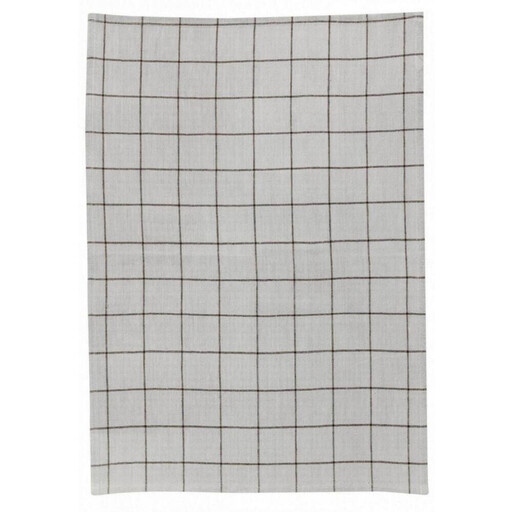
Why this choice suits this profile : Designed for drying crockery and glasses, this tea towel combines a 50 % linen and 50 % cotton composition with a 50 × 70 cm format.
This washable textile avoids using paper for tasks that can easily be done with a tea towel.
Linen-cotton blend, 50 × 70 cm dimensions and machine washable.
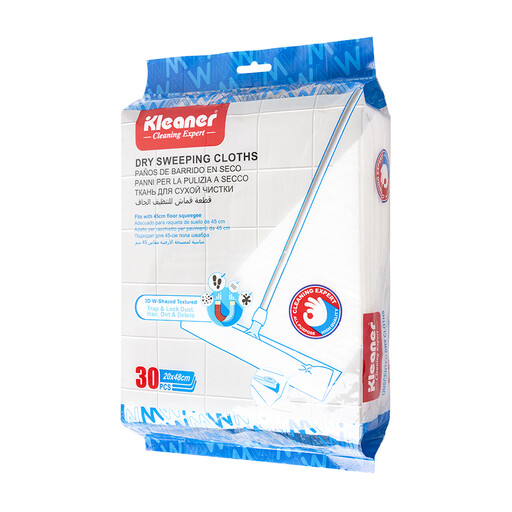
Why this choice suits this profile : The 30 sheets measuring 20 × 48 cm and the 65 g/m² non-woven material are suitable for large surfaces and frequent dry-dusting jobs.
Its dimensions and fabric weight are clearly stated, rather than replaced by a vague promise of effectiveness.
Lint-free non-woven material, W embossing and a format suited to dry cleaning.
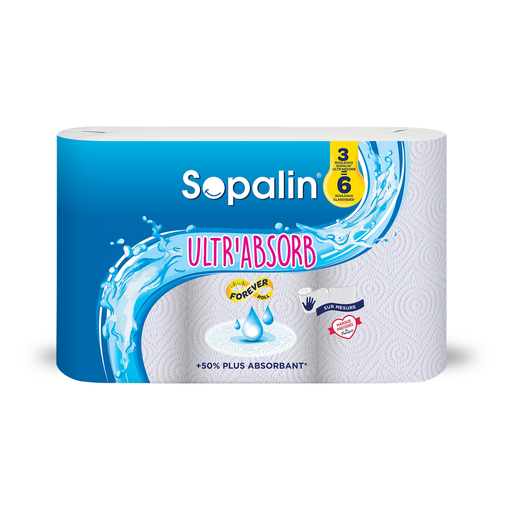
Why this choice suits this profile : The three maxi rolls combine a half-sheet format with a declared FSC Mix certification, making it easier to use the right amount.
Half-sheets mean you do not have to tear off a large sheet for a simple splash, while the FSC statement specifies the type of sourcing claimed.
Three maxi rolls, half-sheet perforations and packaging stated to be recyclable.
We have put together a complete, real-time updated list of products that meet these demanding selection criteria and European safety regulations.
There is no ideal quantity for everyone. Consider how often you eat at home, the number of people in the household and what you intend to use it for. A large pack may suit a family, while a half-sheet roll helps avoid unused portions. To space out your purchases, combine kitchen roll with reusable microfibre cleaning cloths and several tea towels.
Only if this option is clearly stated on the packaging or in the product description. Conditions may vary depending on the certification obtained and the facilities available in France. Sheets soiled with chemicals, large amounts of grease or certain types of waste should not automatically be added to compost. If in doubt, follow your local authority’s guidance.
Wash it according to the manufacturer’s instructions, generally at the stated temperature and with similarly coloured textiles. Avoid fabric conditioner where it is not recommended: it can clog the fibres and reduce their absorbency. Dry the cloth according to the care-label instructions, then replace it when it is worn or can no longer be cleaned properly.