
Livraison le jour même ou le lendemain

Qualité garantie

Débloquez vos offres de bienvenue: Livraison GRATUITE | Jusqu'à -80 % | 30 jours d'essai gratuits à JoyPlus
Téléchargez l'application
A spill of water, a grease stain or a surface that needs cleaning in a hurry – kitchen roll is a staple in many British households. But not all rolls are created equal. Paper that’s too thin tears as soon as it gets wet; an overly generous size encourages waste; and a bulky roll isn’t always easy to store.
Before you decide, it’s worth looking beyond claims like “ultra-absorbent” or “eco-friendly”. Here are the criteria to consider when choosing a kitchen paper roll that fits your budget, how often you use it and your habits at home.
A pack of three rolls doesn’t necessarily mean great value. You should also compare the number of sheets per roll, the number of plies and the sheet dimensions. Some jumbo rolls offer more paper, while half-sheet perforated models stop you from pulling out a full sheet for a simple splash.
A claim of “enhanced absorption” isn’t enough on its own. Wet strength, thickness and the paper’s structure all play a part too. A kitchen roll designed to mop up a spilled saucepan has different requirements from one meant for drying your hands or cleaning a window.
When a product listing says “60% more absorbent” or “40% stronger”, that’s a manufacturer’s claim. Check the comparison conditions and take note of the usage recommendations on the packaging.
A compostable or biodegradable kitchen roll should not be flushed down the toilet. The product description may state that composting depends on available facilities and local guidelines. In the UK, check your council’s rules before putting soiled paper in a compost bin.
For everyday needs, a perforated kitchen roll in two sizes helps you better control how much you use. For soaking up liquids or cleaning greasy surfaces, look for an indication of wet strength. A two-ply paper may be fine for small cleaning jobs, while a higher grammage or reinforced structure will be better suited to repeated tasks.
A jumbo kitchen roll can mean fewer replacements, as long as it fits your holder. Measure the space available on your worktop or in a cupboard. Tubeless rolls are sometimes more compact: the OKAY Tubeless range claims to offer three times the length of a standard roll, according to the manufacturer’s information.
Paper made from cellulose can be compostable under certain conditions. An FSC kitchen roll means the product or some of its components come from an FSC-certified supply chain, according to the scope stated by the manufacturer. This label doesn’t directly guarantee the paper’s absorption level or strength.
To cut down on waste, you could also compare disposable kitchen roll with a washable, reusable kitchen cloth. This option does, however, require regular washing and thorough drying. It won’t necessarily replace paper in every situation, especially with very greasy liquids or messes that need a single-use solution.
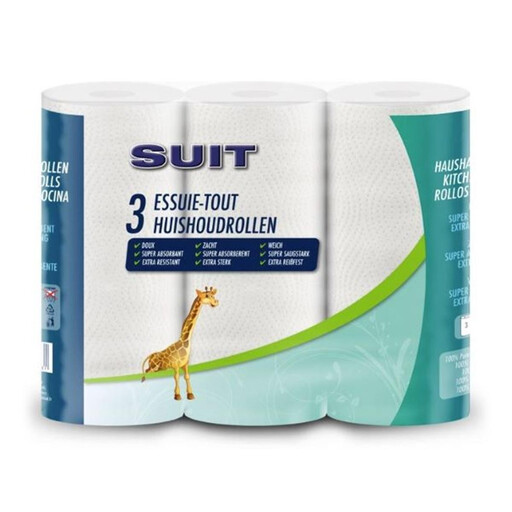
Why this choice suits this profile: This pack of three rolls will suit households looking for a simple solution for everyday small cleaning jobs, without having to compare a long list of features.
The number of sheets is clearly stated: 48 sheets per roll. This makes it easier to compare the quantity on offer with that of other products.
Two plies, three rolls and intended use for wiping surfaces, spills or hands.
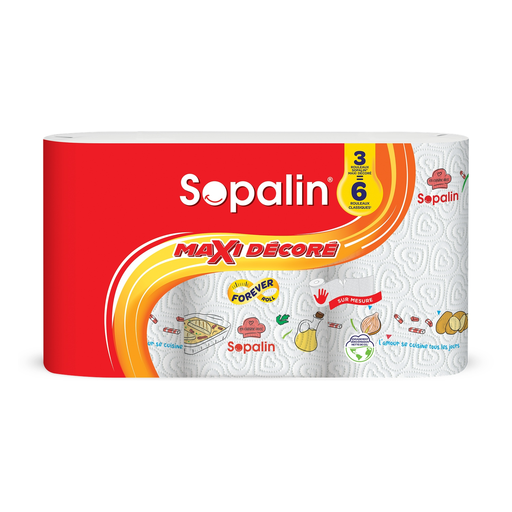
Why this choice suits this profile: Those who care about the look of their kitchen and the stated origin of the fibres will appreciate this decorated format, along with the FSC Mix certification mentioned by the manufacturer.
The jumbo format and half-sheets stop you from using a full sheet for a small task.
Three jumbo rolls, half-sheet perforation, stated FSC Mix certification and recyclable paper packaging.
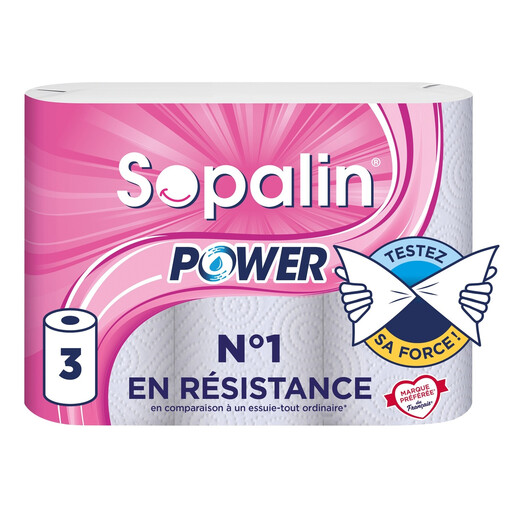
Why this choice suits this profile: This roll is aimed at kitchens where the kitchen roll is used both dry and wet for cleaning worktops, spills, pet messes or repeated household chores.
The listing claims wet strength up to 78% higher than standard paper. This is a manufacturer’s comparison, however, so interpret it according to your usage conditions.
Two plies, 45 sheets per roll, dry or wet use and a format suitable for several surfaces around the home.
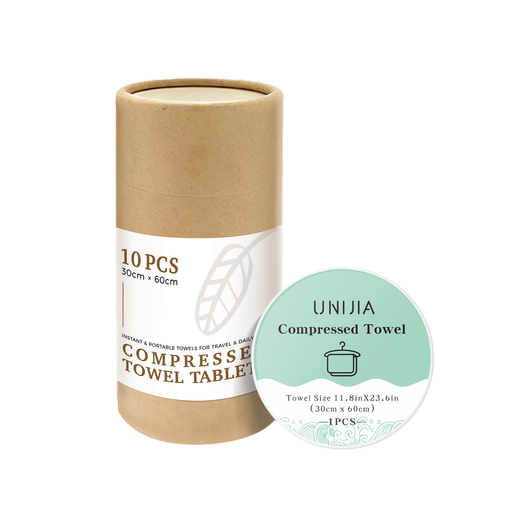
Why this choice suits this profile: These biodegradable compressed towels are designed for travel, the gym or the office. They aren’t intended to replace a kitchen roll at home.
The individual tablet packaging avoids carrying a bulky roll and reduces handling before wetting.
Stated plant-based fibres, plastic-free tube, unfolded size of 30 × 60 cm and use without washing.
A kitchen roll holder placed on the worktop needs to stay perfectly stable when you tear off a sheet with one hand. Metal or iron models generally move around easily, so do check the compatible diameter and height. A holder that’s too narrow will block jumbo rolls, while one that’s too light may tip over with a new roll.
In a small kitchen, go for a vertical holder with a compact base. If you have more space, a multi-tier storage unit can hold several rolls. Just make sure you stick to the intended weight capacity and place it on a flat surface.
No. Even if it’s biodegradable or compostable, kitchen roll can cause a blockage. Put it in the appropriate bin or follow local guidelines for sorting and composting.
A dry roll generally doesn’t have a limited shelf life, unlike a food product. Store it in a clean, dry place away from moisture. If the paper has an unusual smell, shows marks or has got wet, it’s best not to use it in contact with food.
It depends on how often you wash it, the purchase price and how much paper you usually use. Washable kitchen roll can reduce waste, but it does need regular maintenance. In some households, the best compromise is to use washable cloths for everyday tasks and disposable paper for greasy messes.