
Livraison le jour même ou le lendemain

Qualité garantie

Débloquez vos offres de bienvenue: Livraison GRATUITE | Jusqu'à -80 % | 30 jours d'essai gratuits à JoyPlus
Téléchargez l'application
A splash on the worktop, a pan that's boiled over, or a plate that needs drying in a hurry – kitchen roll comes to the rescue time and again. But the price on the pack isn't enough to compare your options. The number of sheets, their size and their strength can all make a noticeable difference to the cost per use.
Before you buy a roll of kitchen towel, take a moment to think about the difference between occasional spills and everyday cleaning. An absorbent paper towel is ideal for liquids and grease. For routine cleaning, a reusable kitchen towel, a microfibre cloth or a linen-and-cotton tea towel can help cut down on waste.
Claims like "more absorbent" need to be taken with a pinch of salt. They're often comparing the product to a standard paper towel defined by the brand itself. Instead, look at the number of plies, the grammage (if stated) and the total number of sheets.
A highly absorbent paper may mean you use fewer sheets, but the price per roll could be higher. To compare properly, work out the cost per sheet or per pack, rather than just looking at the price tag.
A big roll isn't automatically more economical. The number of sheets, their dimensions and whether there are perforations all matter. The half-sheet kitchen roll format lets you tear off just a small piece for a drip or a light mark. Full sheets are still handy when you need to soak up a large amount of liquid.
A compostable kitchen roll should not be flushed down the toilet. Composting conditions vary depending on your local facilities and guidelines. Only use products labelled as compostable in line with the instructions on the packaging and your local council's rules.
Similarly, kitchen roll that's been used to clean up chemicals, a lot of grease or certain soiled surfaces should not be treated as ordinary organic waste.
For leaks and splashes, go for an absorbent paper towel with a thick enough structure. The SOPALIN Kitchen Roll 2-Ply Extra Wet-Strength is advertised with two plies and extra strength when wet. Its listing also mentions 45 sheets per roll, giving you 135 sheets in the three-roll pack.
For cleaning surfaces, check whether the product is designed for both dry and wet use. That doesn't mean a sheet can be reused indefinitely – paper is generally intended for single use.
The half-sheet format lets you adjust how much you use for each job. Jumbo rolls can be a good option for a household that goes through kitchen roll regularly, as long as you compare the actual number of sheets.
An extra-long format can also mean fewer changes. The OKAY Extra-Long White Kitchen Paper Towels contains two rolls and 300 sheets in total, according to the product information.
Each option has its own strengths:
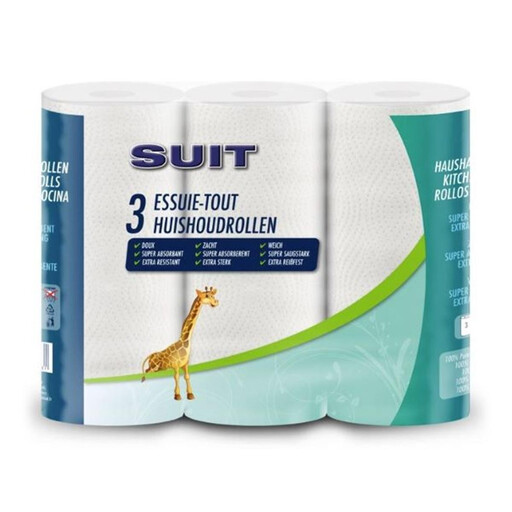
Why this suits this profile: this three-roll pack of two-ply kitchen roll is ideal for everyday tasks in a household that wants to keep an eye on the budget while still having a supply at home.
The listing clearly states 48 sheets per roll and three rolls, making it easy to compare the total quantity before you buy.
Two plies, 144 sheets in total, and designed for wiping up liquids, cleaning surfaces and drying hands.
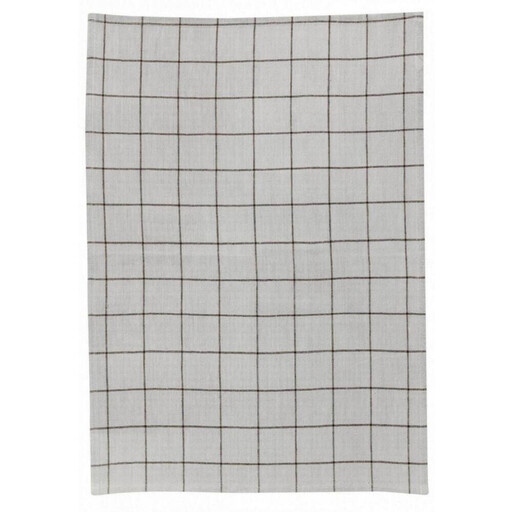
Why this suits this profile: this linen and cotton tea towel combines a decorative finish with a durable design, perfect for drying dishes and glasses.
The composition and dimensions are clearly stated: 50% linen, 50% cotton and 50 × 70 cm. You can easily check they match your needs.
Linen-cotton blend, machine-washable design and a size that's ideal for drying glasses.
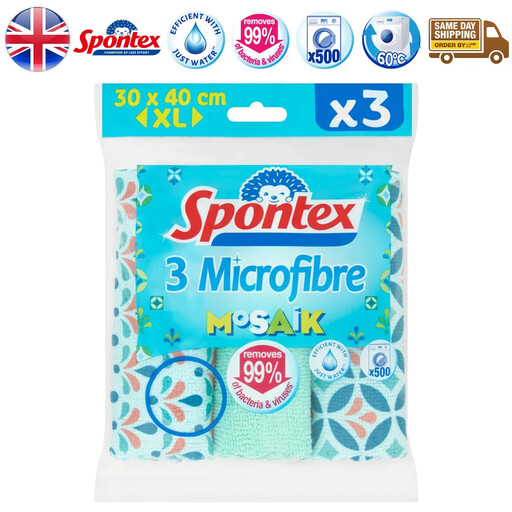
Why this suits this profile: these cloths are ideal for households that frequently clean the worktop, sink and other surfaces around the home, while wanting to cut down on paper waste.
The listing states they can withstand up to 500 washes. To protect the fibres, avoid using fabric softener, tumble drying and ironing.
Three cloths measuring 30 × 40 cm, usable dry or damp, and machine-washable up to 60 °C as per the instructions.
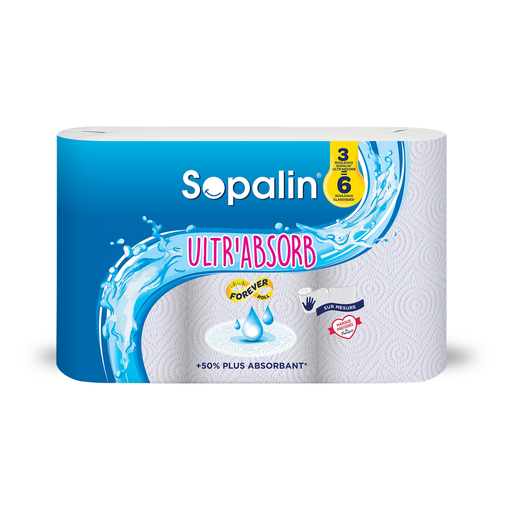
Why this suits this profile: the half-sheet format is ideal for anyone who wants to match the amount of paper to each small job.
The half-sheets stop you tearing off too much for a small task. The FSC Mix certification is also listed, meaning the paper comes from responsibly managed forests.
Three maxi rolls, cellulose wadding paper and packaging described as recyclable.
We've put together a comprehensive, real-time updated list of products that meet these demanding selection criteria and European safety standards.
To cut down on your kitchen roll usage, save the paper for spilled liquids, grease and jobs that need the cloth to be thrown away straight away. For suitable surfaces, use a microfibre kitchen cloth instead, and follow its washing instructions.
A linen and cotton tea towel should be washed regularly and dried thoroughly between uses. Keep the cloths you use for dishes separate from those you use for the floor or cleaning products. Disposable kitchen cleaning wipes should be thrown away according to the instructions on the pack.
Never put used paper sheets down the toilet. Store your rolls in a dry place so they don't lose their strength before you use them.
Compare the number of plies, the wet strength and the sheet size. A reinforced kitchen roll can be good for spills, while the half-sheet format is better for small splashes.
It depends on the product's certification, what it's been used for and your local guidelines. Always check the packaging. Even when labelled as compostable, kitchen roll should never be flushed down the toilet.
Over time, a washable kitchen towel can reduce how much paper you buy for repetitive tasks. But you need to factor in the purchase price, how many washes it can handle, and the detergent and energy needed to clean it. In most cases, the best compromise is to use a mix of paper, tea towels and reusable cloths depending on the job.