
Livraison le jour même ou le lendemain

Qualité garantie

Débloquez vos offres de bienvenue: Livraison GRATUITE | Jusqu'à -80 % | 30 jours d'essai gratuits à JoyPlus
Téléchargez l'application
Between rolls that tear the moment they get wet, generous sizes where the price per sheet is still tricky to work out, and absorption claims that can be a bit vague, choosing a kitchen roll deserves a little thought. In everyday use, the right product needs to soak up liquids quickly, hold up during cleaning, store away easily and work out at a reasonable cost over time.
Here are the key factors to consider before you order, along with a selection suited to different needs.
Two packs of three rolls can contain very different amounts of paper. The number of sheets per roll, their dimensions and the size of the perforations all directly affect how long they last.
To compare two products, make sure you check:
A jumbo roll may contain more sheets, but a claim like “twice as long” should always be backed up by a clear comparison on the packaging.
Phrases like “ultra-absorbent kitchen roll” or “60% more absorbent” should be treated with caution. In the product listings we looked at, this percentage refers to a comparison made by the brand against a standard kitchen roll. It’s not a universal measure that applies to all rolls.
In practice, absorption also depends on the grammage, the embossing, the number of plies and the type of liquid you’re mopping up. A sheet that works well on a splash of water won’t necessarily be the best choice for a greasy surface.
Compostable kitchen roll should never be flushed down the toilet. Recycling rules vary depending on the facilities available in your area and local guidelines. Always use these products according to the instructions and dispose of them through the correct waste stream.
The same goes for the packaging: a recyclable pack and compostable sheets are two different things. Check the labels on each separately.
For wiping down a worktop, a cooled hob or a spill, choose a paper that’s thick and absorbent enough. Embossing can help hold liquid, but it doesn’t replace good mechanical strength.
For wet use, look for the term wet strength or “résistant à l’humidité”. A product listing may claim higher strength than standard paper. However, this is still a characteristic stated by the manufacturer, not a guarantee that it will perform the same in every situation.
Half-sheets are handy for small jobs: drying your hands, picking up a few crumbs or mopping up a few drops. They save you from tearing off a full sheet every time and can help cut down on waste in a household that uses kitchen roll every day.
Large sheets, on the other hand, are better suited to bigger spills and more substantial cleaning tasks. A versatile kitchen roll can work on surfaces, hands or grease absorption, as long as you follow the precautions on the packaging.
Most of the products featured here are made from cellulose or cellulose wadding. This plant-based material is common in kitchen rolls and may, depending on the product, come with a compostability claim or a forestry certification.
Never put used kitchen roll down the toilet – it can cause a blockage. To reduce waste, save the paper for liquids and heavy soiling. For everything else, a reusable cloth will often do the job perfectly well.
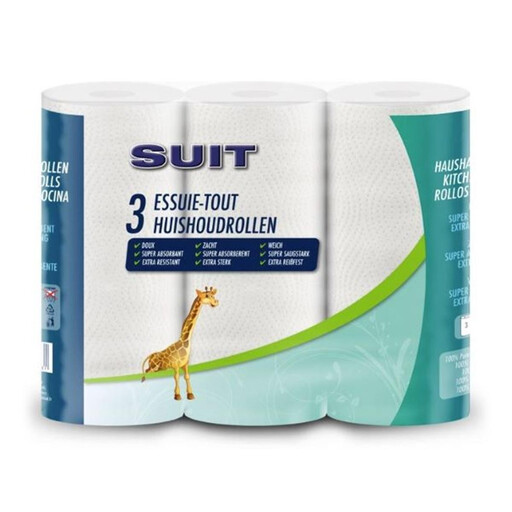
Why this suits this profile: A straightforward format for everyday use, with three rolls of 48 sheets and a 2-ply structure.
The number of sheets per roll is clearly stated, making it easy to compare with other packs.
Three rolls, 48 sheets per roll and cellulose paper for everyday tasks.
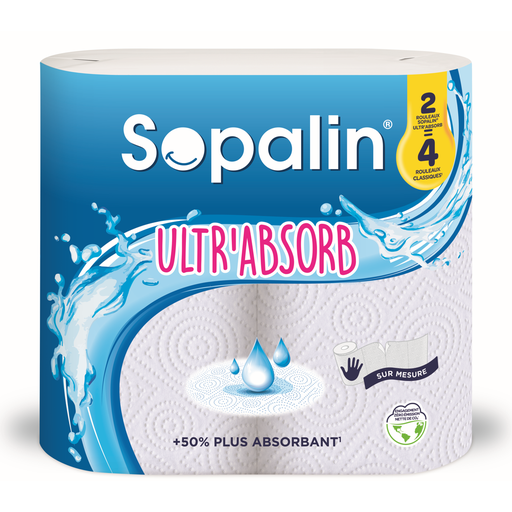
Why this suits this profile: This format combines half-sheets, cellulose wadding and rolls described as jumbo, for a focus on ease of use.
The half-sheets stop you from using a full sheet for a small spill.
Two jumbo rolls, a half-sheet format and a composition stated as pure cellulose wadding.
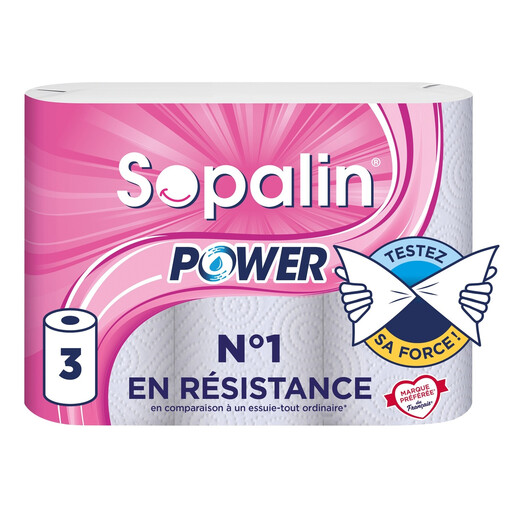
Why this suits this profile: Its listing mentions reinforced wet strength and use both dry and wet, making it suitable for repeated cleaning.
The stated wet strength reduces the risk of tearing when wiping down surfaces.
Two plies, 45 sheets per roll and intended use for liquids, surfaces and certain household tasks.
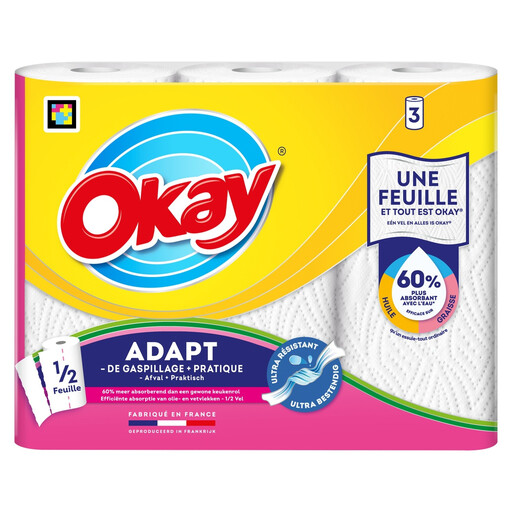
Why this suits this profile: The half-sheet format lets you adjust the amount you use for small everyday tasks.
The pre-cut half-sheets stop you from tearing off too much paper to wipe up a single drop.
Three rolls, three plies and sheets described as compostable, subject to local facilities and guidelines.
We’ve selected a full range, updated in real time, of products that meet these exacting criteria as well as European safety regulations.
Go for a roll with several plies that clearly states its absorption capabilities and has good wet strength. For a big puddle, it can be more economical to use a sponge or cloth first, then save the kitchen roll for the finishing touches.
Store it in a dry place, away from moisture and direct light. Kitchen roll generally doesn’t have a use-by date like food does, but a damp or misshapen roll will be less pleasant to use and less strong.
No. Even if it’s compostable, it should never be flushed down the toilet. Follow your local council’s guidelines and check whether your area accepts this type of waste. To cut down on disposables, a washable, reusable kitchen roll can complement paper rolls for less messy jobs.