
Livraison le jour même ou le lendemain

Qualité garantie

Débloquez vos offres de bienvenue: Livraison GRATUITE | Jusqu'à -80 % | 30 jours d'essai gratuits à JoyPlus
Téléchargez l'application
Kitchen roll, or kitchen paper as it's often called, seems like one of the simplest everyday purchases. Yet, between marketing promises and the reality on your countertop, it's easy to end up with a roll that disintegrates on contact or a deceptively "value-sized" pack. As a section editor at Joybuy, I'm here to break down the labels for you. Follow this guide to avoid the common pitfalls and find the kitchen roll that truly meets your needs.
Before you fill your shopping cart, keep your eyes peeled: some marketing claims can cost you more in the long run.
To make the right choice, rely on objective criteria. They are the true guarantors of performance.
The number of layers, or plies, is crucial: it directly determines the paper's strength and absorption capacity.
The composition is just as important. Pure cellulose wadding generally ensures better softness and absorption than recycled fibres. For a more sustainable purchase, look for labels like FSC or PEFC, which certify that the wood comes from sustainably managed forests.
The roll's format has a direct impact on its lifespan and, therefore, on your wallet.
Here is our selection of products that tick all the boxes, combining performance with value for money.
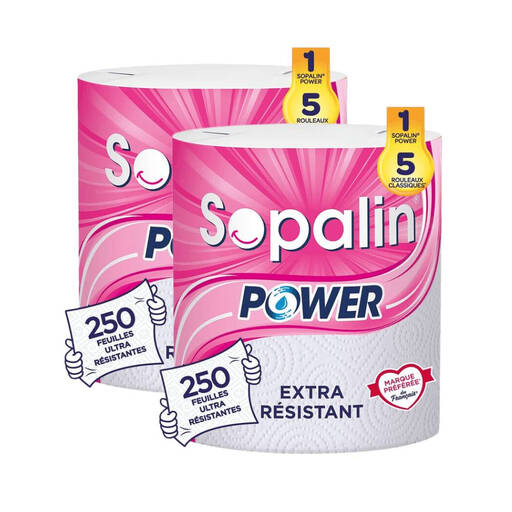
Why we love it: This XXL format is tailor-made for families and heavy users who want to keep their budget in check and reduce trips to the store. It's peace of mind in a pack: you'll always have a roll to spare.
It sidesteps the "false economy" trap by clearly stating the equivalent: 2 maxi rolls = 10 standard rolls. The value-for-money calculation is crystal clear.
Its versatility. This is a true all-purpose kitchen roll: just as effective in the kitchen as it is for DIY projects or spring cleaning.
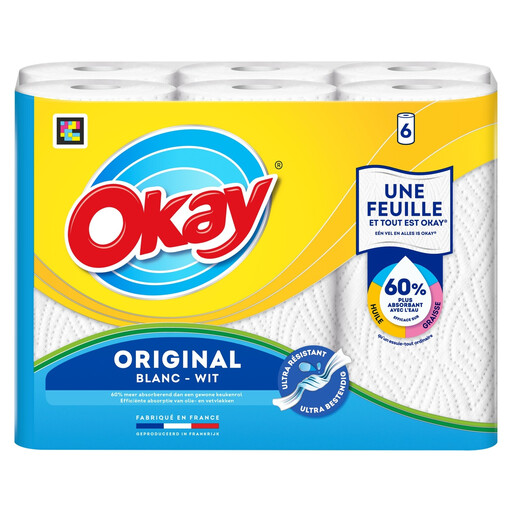
Why we love it: For those who demand maximum efficiency. Perfect for soaking up a spilled drink in an instant or degreasing a hob without leaving streaks.
It cuts through vague "strength" claims with a concrete figure: 60% more absorbent than a standard kitchen roll (according to the manufacturer). A measurable performance promise.
Its absorbency means you can use fewer sheets to get the same job done. A significant bonus: its sheets are compostable, a real plus for reducing waste.
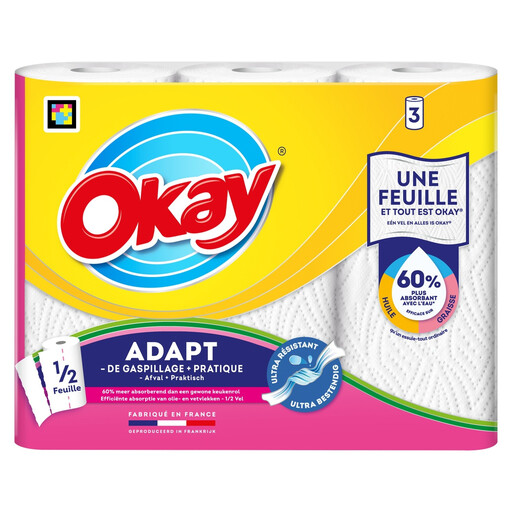
Why we love it: The perfect ally for those who want to combine performance with smart consumption. The half-sheet format is ideal for small spills, without having to sacrifice a whole sheet.
It tackles waste (a form of false economy) with a simple solution: using just the right amount. By using only what you need, each roll lasts longer and your budget is optimised.
The winning combination: superior absorption (+60% according to the brand), a waste-reducing half-sheet format, and compostable sheets.
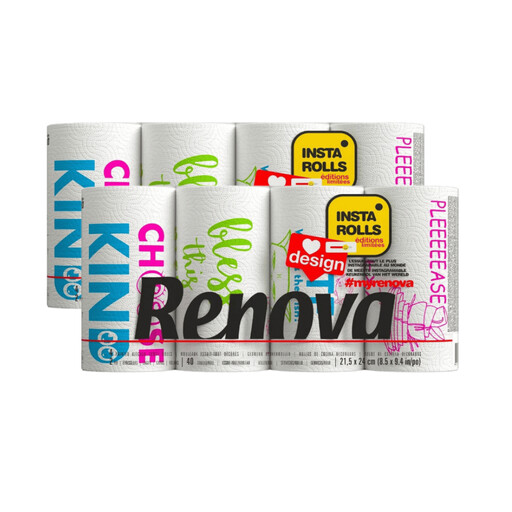
Why we love it: For those who believe that even an everyday object deserves its moment in the aesthetic spotlight. This patterned kitchen roll brings a welcome touch of colour and originality to the kitchen.
It avoids the "style over substance" trap. With its 2-ply cellulose wadding composition, it provides decent absorption for common tasks and guarantees it's safe for food contact.
The element of surprise. The patterns are random, making each roll a new discovery that spices up the cleaning routine.
Discover our complete selection of everyday products, all validated against our performance criteria and compliant with current standards.
The difference comes down to the amount of paper, and therefore how long it lasts. A maxi roll contains the equivalent of 2 to 5 standard rolls, depending on the brand. It is therefore more economical to buy (especially in a multi-pack) and more convenient: you change it much less often. Its only drawback is that it takes up more space in your cupboards.
Yes, most kitchen rolls made of pure cellulose wadding, with no colours or chemical treatments, are compostable. Always check the information on the packaging, though. Be aware: if it has been used to soak up chemicals, oil, or large amounts of grease, it must be thrown away in the general waste bin.
Reputable brands guarantee that the dyes used comply with European standards for brief and superficial food contact (like wiping a piece of fruit). For direct and prolonged contact, especially for draining fried foods or absorbing grease from food, it's safer to use a classic white kitchen roll. In all cases, look for the "safe for food contact" statement or the corresponding logo (a wine glass and fork symbol) on the packaging.