
Livraison le jour même ou le lendemain

Qualité garantie

Débloquez vos offres de bienvenue: Livraison GRATUITE | Jusqu'à -80 % | 30 jours d'essai gratuits à JoyPlus
Téléchargez l'application
Kitchen roll, or paper towel, seems like one of the most basic everyday purchases. Yet, once you're in the supermarket aisle, faced with a wall of marketing promises, making a choice can be a real headache. A roll that looks huge but is gone in two days? Paper that tears at the slightest drop or patterns that bleed colour? We've all been there. The goal of this guide isn't to find the "perfect" product, but the one that truly meets your needs—without making you pay for superfluous features.
Before you head to the checkout, here are the most common traps to avoid:
To make the right choice, you just need to check a few features that are a dead giveaway of a kitchen roll's quality.
The number of plies corresponds to the number of paper layers that make up a single sheet.
The true cost of a kitchen roll is calculated by the number of sheets, not the number of rolls in the pack.
For those who want to combine cleanliness with an ecological conscience, several labels can help identify an eco-friendly kitchen roll.
Because every household is unique, here are our recommendations for different needs.
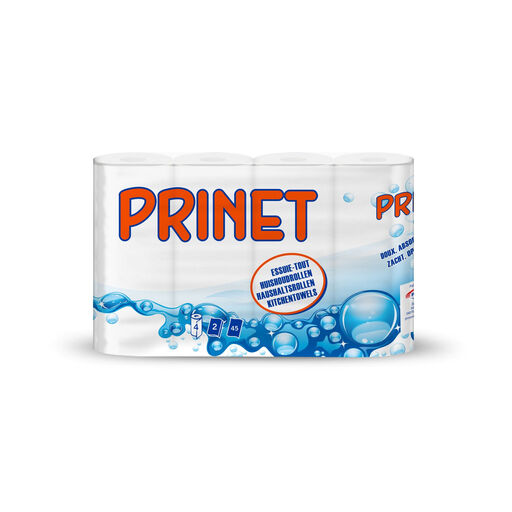
Why we recommend it: For minor daily accidents that don't require heavy-duty strength, this product gets straight to the point. It's a simple, economical solution, perfect for families looking for great value above all else.
No marketing fluff. The promise is clear: 2-ply, 45 sheets per roll. No unpleasant surprises—you know exactly what you're buying.
Its price and simplicity for everyday use. A bonus: it's made in France.
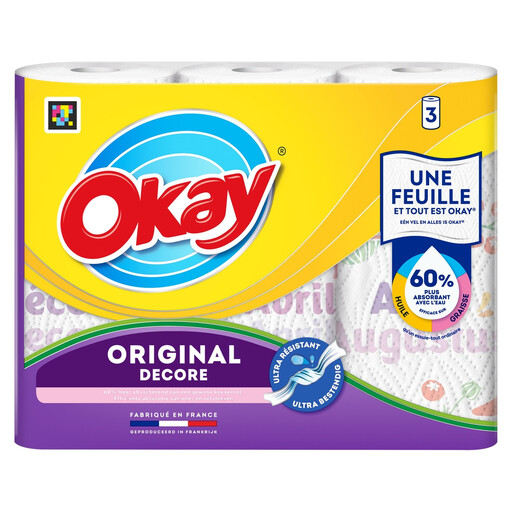
Why we recommend it: Perfect for those who demand maximum efficiency. Whether you're mopping up a spilled drink or tackling stubborn grease, its absorbency lets you use fewer sheets. In the end, it might even prove to be more economical.
It tackles the "low-absorbency" trap head-on. The brand's promise ("60% more absorbent") focuses on a quantified performance metric, which is much more compelling than a vague claim about volume.
Incredible absorbency and compostable sheets. The perfect combination of performance and environmental respect.
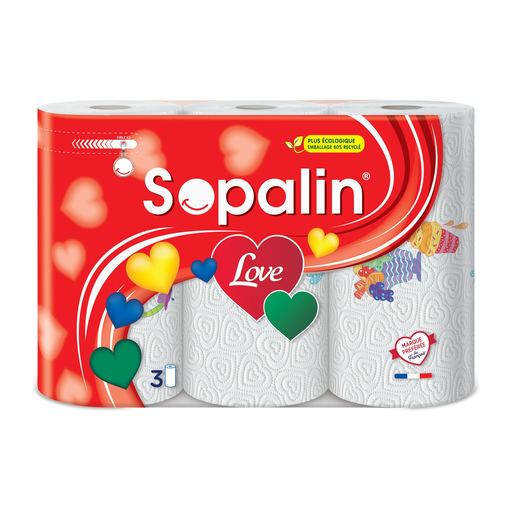
Why we recommend it: For those who believe that even everyday objects deserve a bit of style. This Sopalin combines a nice decorative touch, superior quality (3-ply), and clear ecological commitments.
It proves that a patterned kitchen roll is more than just a gimmick. Its 3-ply construction guarantees strength and absorbency, while the FSC label and recycled packaging check all the boxes for discerning consumers.
The winning combination: a stylish look, reliable performance (3-ply), and a responsible approach (FSC Mix certification, 80% recycled plastic packaging).
If reducing your waste is your number one priority, there are solutions beyond disposable paper. Reusable cloths and wipes are an excellent alternative for many household tasks.
For those who want to explore zero-waste solutions, we've selected a range of reusable products that combine quality and practicality.
What's the difference between a 2-ply and 3-ply kitchen roll? A 3-ply kitchen roll is thicker, making it stronger and more absorbent than a 2-ply one. It's perfect for big messes and heavy-duty cleaning. The 2-ply remains an excellent, more economical option for smaller, everyday needs.
Is a more expensive kitchen roll always more absorbent? Not always! The price can be influenced by the brand, patterns, or specific labels. A well-designed, budget-friendly kitchen roll can be very effective. To judge performance, rely on the technical specs (number of plies, pulp quality) rather than the price tag.
Can you compost kitchen roll? Yes, most kitchen roll sheets are compostable, provided they haven't been soiled with chemicals, oil, or grease. Some brands, like OKAY, explicitly state this. Always check the guidelines for your specific compost bin. And most importantly, never flush it down the toilet: it's not designed to break down in water and can clog your pipes.