What should you decide before buying?
Start with the essentials you’ll need when you move in and the spaces that have already been planned. Choose appliances that need a housing or door panel alongside your kitchen units; the rest can be planned around how soon you need them and when they can be delivered.
| What to consider |
What to check before buying |
Who is this important for? |
| Compatibility with your kitchen units |
Compare the internal measurements of the housing with the instructions for the exact model. For an integrated appliance, also check the door panel and door mechanism. |
If the units are already planned, I want to avoid an appliance getting in the way of installation or stopping a door from opening. Around 29% of consumers put this compatibility at the top of their list. |
| Keeping food cold and cooking from day one |
Identify which facilities are missing from your home and check which temporary solutions are genuinely practical. Leave appliances that depend on unfinished units until later. |
Without a way to store food or cook, I need to make the kitchen usable as soon as I move in. Around 29% of consumers put having these essentials straight away first. |
| Delivery and taking receipt |
Get the date or delivery timeframe for each order confirmed in writing. Check access, routes through the property and where the appliance can be left. |
If several appliances are due around the time I get the keys, I want to be able to receive them without having to store them elsewhere. Around 24% of consumers prioritise coordinating deliveries. |
| Energy use, noise and repairability |
When comparing dishwashers, check the kWh per 100 cycles, litres per cycle and noise class on the energy label. Also look at the repairability index shown for the model. |
Once I know the appliance will fit, I want to compare dishwashers based on everyday use and repairability. This is the main consideration for around 18% of consumers. |
For dishwashers, ADEME shows energy use in kWh per 100 reference cycles. Compare appliances using this figure on a like-for-like basis, rather than confusing it with energy use per cycle. The Ministry of the Economy presents the repairability index as a separate piece of information to check before choosing.
Kitchen appliances to consider on Joybuy
These models cover your needs for refrigeration, cooking and washing up when moving in, with both freestanding and built-in appliances. Start by choosing the function you need, then check the space and installation requirements for your chosen model.
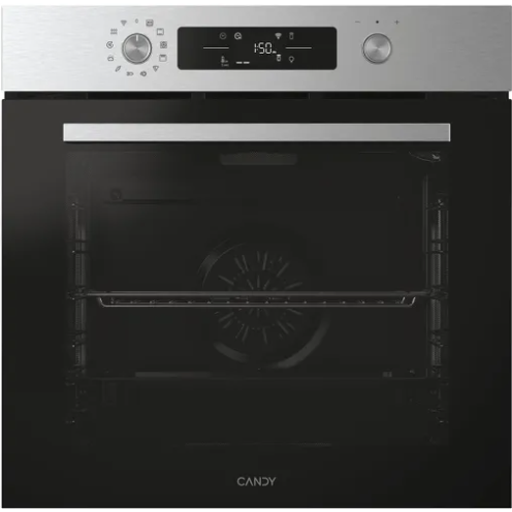 Image unavailable
Candy CA6 NP5B3HTX built-in oven, 78 L
Worth considering if your kitchen plan includes a built-in oven. The model name indicates a capacity of 78 L and a power rating of 2 100 W. Check the housing dimensions and installation instructions before buying.
View on Joybuy
 Image unavailable
Candy CFQQ5T817EPS fridge freezer, 467 L
This freestanding model provides refrigeration without the need for an integrated door panel. It’s listed as a four-door fridge freezer with a 467 L capacity and an E energy class. Check the available space, clearances and route into the kitchen.
View on Joybuy
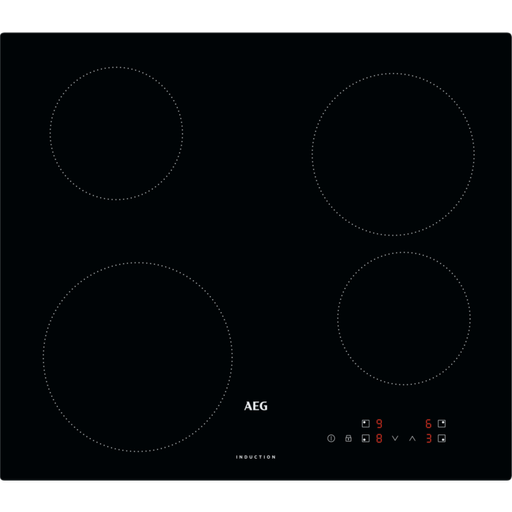 Image unavailable
AEG IBS64200CB induction hob, 59 cm
Consider this if your worktop is designed for a built-in induction hob. The model is listed as 59 cm wide and uses a two-phase Perilex connection. Before installation, check the cut-out dimensions and that your home’s electrical connection is compatible, using the instructions as a guide.
View on Joybuy
 Image unavailable
AEG NSC6M18FES built-in fridge freezer, 249 L
This model is designed for a kitchen where the fridge is integrated into the units. It has a stated capacity of 249 L and an E energy class. Before choosing it, check the housing dimensions, fixing requirements and door compatibility in the instructions.
View on Joybuy
 Image unavailable
Hotpoint H4FD641A freestanding dishwasher, 14 place settings
Worth considering for washing up once you’ve confirmed the space and connections. The model is listed as 60 cm wide, with a noise level of 41 dB and a C energy class. Freestanding installation doesn’t mean you can skip checking the dimensions of the space you have in mind.
View on Joybuy
Frequently asked questions
Which appliances should you choose alongside your kitchen units?
Choose appliances that need a housing, cut-out or door panel as part of your kitchen plan. These might include an integrated fridge or dishwasher, a built-in oven or a hob. Check the measurements and instructions for each model. Bosch, for example, highlights the importance of the housing and door system for an integrated dishwasher.
Can you wait until after moving in to buy a dishwasher?
Yes, if you can manage without one in the meantime and buying it later won’t hold up the installation of your kitchen units. First, plan for any refrigeration and cooking facilities missing from your home, then order the dishwasher once its space and connections have been decided.
What should you check before arranging delivery around the time you get the keys?
Get a delivery date or timeframe in writing for each appliance, then check the route into the kitchen and make sure someone can take delivery. The Ministry of the Economy says sellers must clearly confirm in writing when a product will be delivered. So, placing an order before you move in doesn’t guarantee it will arrive on the day you need it.
How should you arrange for an old appliance to be taken away?
When placing your order, let the retailer know that a used appliance needs to be removed from your home and confirm the collection arrangements for that purchase. This will help you plan for the old appliance to be ready and ensure access to your home when the new one is delivered.
How can you compare two dishwashers that fit the same space?
Compare their energy label figures on a like-for-like basis, including kWh per 100 cycles, litres per cycle, capacity and noise class. ADEME explains how to read these figures. Also check the model’s repairability index, but don’t assume its lifespan based on a single score.


