
Same-day & Next-day Delivery

Quality Guaranteed

Unlock Your Welcome Offers: FREE Delivery | Up to 80% OFF | Free 30-day JoyPlus trial
Download the APP
A kitchen grinder can grind coffee beans, crush spices, adjust the fineness of pepper or even chop food. But not all appliances sold under this name cover the same needs. An electric coffee grinder isn't designed for salt, and an electric meat mincer will never replace a burr grinder.
Before placing an order, three mistakes crop up time and again.
For coffee, a burr coffee grinder is generally the best choice if you want to control the fineness of the grind. Burrs crush the beans between two surfaces, whereas blades chop them depending on how long you use them. With a blade model, the result is therefore often less consistent.
For pepper, salt and dried spices, a ceramic mechanism offers good resistance to corrosion and grinds ingredients without contact with a metal surface. However, pay attention to the manufacturer's recommendations: a grinder intended for dried spices should not be used to grind wet foods or ingredients that are too hard.
For meat, vegetables or fruit, choose an appliance with a suitable bowl and blades. A glass container, a clearly stated capacity and parts that can be washed separately make using it much more convenient. Still, check the care instructions before first use.
The grind adjustment should match how you prepare your coffee. A fine powder suits certain methods, while a coarser grind is generally recommended for a cafetière. For pepper and spices, an adjustable dial lets you achieve a texture suited to the recipe or table use.
Capacity also deserves your attention:
Make sure the bowl, lid and accessories can be removed easily. For an electric coffee grinder, a dry brush helps dislodge coffee particles without adding moisture. With an electric pepper mill or salt grinder, be especially careful to avoid water if the mechanism or body of the appliance isn't designed to be immersed.
For an electric model, check the voltage, plug type, safety instructions and information about the manufacturer or the responsible person in the European Union. If you opt for a battery-powered appliance, also check the battery type used and the replacement procedure. These details prevent nasty surprises on delivery.
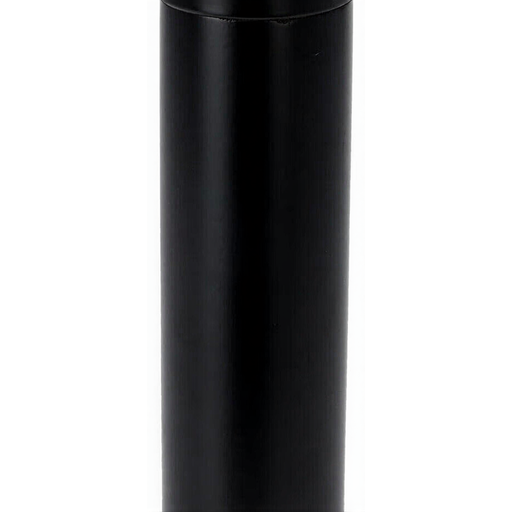
Why this choice suits this profile: This manual grinder is aimed at those who want to start simply with pepper, sea salt or dried spices, without cables or batteries cluttering the worktop.
Its use is clearly limited to dry ingredients. So there's no risk of confusing it with an appliance intended for wet foods or mincing meat.
Lotus wood body, ceramic mechanism and stainless steel button with adjustment from fine to coarse.
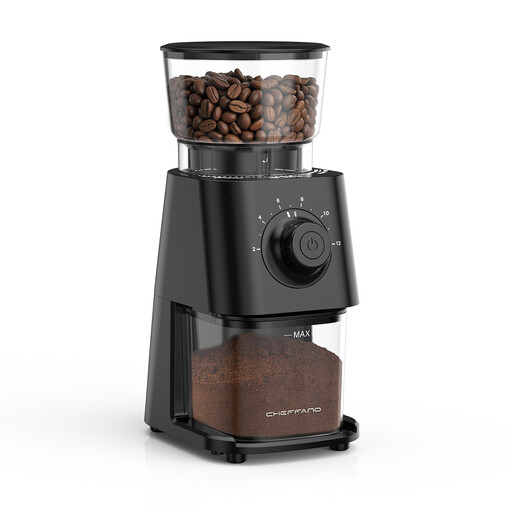
Why this choice suits this profile: This electric coffee grinder is aimed at enthusiasts who switch between espresso, filter coffee or a cafetière and want to adjust the grind regularly.
The 30 advertised settings allow you to fine-tune the texture according to the brewing method, rather than settling for a single pre-set grind.
Conical burr mechanism, 30 grind positions and a pulse function as stated by the manufacturer.
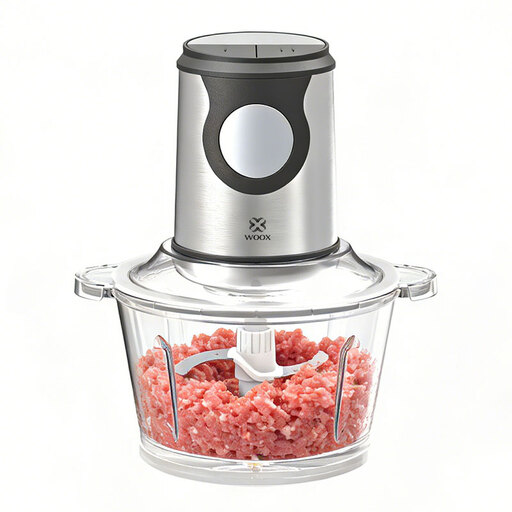
Why this choice suits this profile: This mincer is suitable for households that regularly prepare meat, vegetables, fruit or baby food at home.
Its 1.5-litre glass bowl and stainless steel blades set it apart from a grinder intended only for grains or dried spices.
1.5-litre capacity, glass bowl and design stated for meat, vegetables, fruit and blended preparations.
We've put together a comprehensive, real-time updated selection of products that meet these strict criteria and European safety requirements.
For coffee, choose an appliance clearly presented as a coffee bean grinder, with a capacity suited to the number of cups and a sufficiently precise adjustment. For pepper or salt, a manual pepper mill or an electric salt grinder will be more suitable than an appliance designed for coffee. For fresh foods, opt instead for a mincer with a stable bowl, protected blades and detailed cleaning instructions.
Avoid mixing uses without consulting the manual: coffee oils can permeate spices, while moisture from salt or fresh foods risks damaging a mechanism not designed for it.
It depends on the model. An electric coffee grinder is designed for coffee beans, whereas a spice grinder targets dry ingredients. If the appliance accepts multiple uses, clean it between ingredients to limit flavour transfer.
The consumption depends on the motor power and the running time. Since the appliance generally only runs for a few seconds per preparation, its impact on your electricity bill remains limited. However, battery-powered models incur an additional cost and require regular battery replacement: check the product specifications before buying.
Respect the maximum capacity, avoid ingredients it's not intended for and clean each part according to the manufacturer's instructions. Never immerse the appliance or its mechanism in water if the manual doesn't explicitly allow it. For a wooden or ceramic grinder, prefer dry wiping and store it in a place with low humidity.