Households fitting out an empty or incomplete kitchen
Coordinate your purchases before ordering furniture or appliances, prioritising recess dimensions, doorways, movement around the kitchen, and water, electricity and ventilation connections.


Start by noting the available dimensions, door swing, water inlets and waste outlets, electrical circuits and ventilation before comparing appliances. Then choose each category according to your household’s needs, and compare your measurements with the installation instructions for the exact model: recesses, clearances and connections are not interchangeable from one model to another.
Coordinate your purchases before ordering furniture or appliances, prioritising recess dimensions, doorways, movement around the kitchen, and water, electricity and ventilation connections.
Check that the locations, connections and performance of your new equipment match your habits, rather than simply replacing every appliance like for like.
Carefully weigh up footprint, usable capacity, noise level, door opening and ventilation: an appliance that is too large or too noisy can make everyday use of the room more difficult.
Measure the kitchen and its connections first, then compare the features that matter for your habits. The installation instructions for the chosen model remain the key reference for confirming that it can be fitted.
| Priority | What to check | Your needs |
|---|---|---|
| Compatibility with the units | Measure the recess width, height and depth, worktop cut-out, opening direction and ventilation gap. Compare these with the model’s installation diagram, not just with the dimensions of the old appliance. | I want the appliance to fit without blocking a door, an adjacent unit or the route through the kitchen. |
| Connections | For a dishwasher, check the water inlet, waste outlet and electricity supply. Also check the specific requirements of the oven, hob and any refrigerators requiring a water connection. | The kitchen must allow for suitable installation without choosing an appliance that is incompatible with the existing connections. |
| Everyday use | Compare capacity, noise, water and energy consumption, as well as washing and drying performance. ADEME notably reports energy in kWh per 100 cycles and water in litres per cycle for dishwashers. | I’m looking for a capacity suited to my shopping habits and household, with a noise level suitable for an open-plan kitchen or a nearby living area. |
| Cooking ventilation | Establish whether an external duct and an air inlet are possible before choosing an extraction hood. For recirculation, check the required filters, width and installation distance specified by the manufacturer. | I want a solution suited to the property’s actual configuration, rather than a hood chosen solely for its appearance. |
| Maintenance and consumables | Identify the hood filters, detergents, rinse aid and dishwasher salt required. Also consult the instructions and technical data sheets available for the model you are considering. | I prefer to plan ahead for the maintenance tasks and consumables needed to keep the appliances working properly. |
An incompatible built-in appliance may require modifications to the unit, replacement of the appliance or the forced choice of a freestanding model. Ventilation requirements and recess dimensions vary between references.
Photograph the labels on your old appliances and measure the width, height, depth, worktop cut-out, ventilation gap, access to connections and door swing. Then compare this information with the installation diagram for the exact model.
The choice between extraction and recirculation depends on the available duct, air inlet and ventilation system. Extraction without air replacement can cause operating difficulties with certain appliances that rely on ambient air.
Choose the operating mode before selecting the hood, then check the instructions for the width, installation distance, ducting, bends, air inlet and filter maintenance.
In recirculation mode, allow for the charcoal filters required by the model.
Washing, drying, noise, consumption and maintenance all affect everyday use. A low purchase price does not, on its own, indicate the cost of running the appliance.
Compare capacity, energy label, noise, washing and drying efficiency, as well as consumables and connection requirements, before choosing a model.
Add installation, energy, water, detergents, rinse aid and dishwasher salt to your budget.
Recess measurements, safety distances, electrical power, ventilation and connections are specific to each reference. A cut-out or power rating given for one model does not describe every hob.
Use technical data sheets to create your checklist, then confirm the requirements for the specific model in its installation instructions and, where necessary, with a qualified professional.
A relevant brand for its French installation and documentation resources, particularly for refrigeration and dishwashers.
A relevant brand for cooking appliances and for consulting French instructions by product code, particularly for ovens, microwaves, hobs, refrigeration appliances and dishwashers.
A relevant brand for distinguishing between extraction and recirculating hoods and for checking installation distances in French technical data sheets.
Joybuy options covering refrigeration, water, cooking and ventilation for a kitchen being fitted out or upgraded.
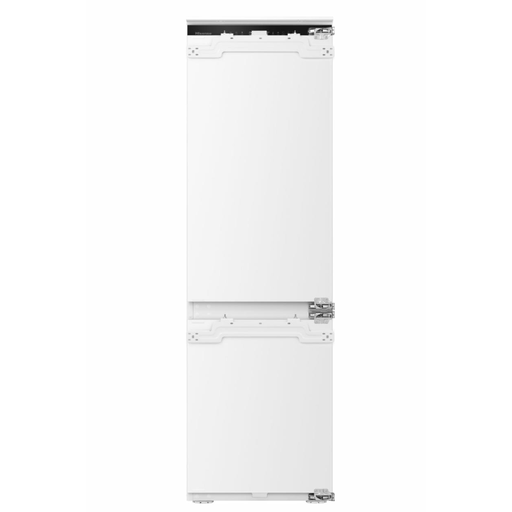 Image unavailable
Worth considering for an integrated kitchen requiring chilled and frozen storage, once the unit recess, door and ventilation have been checked.
252 L, No Frost, C energy rating, advertised noise level of 34 dB(A) and reversible door.
Check the instructions for the recess dimensions, ventilation clearances and door fixing system.
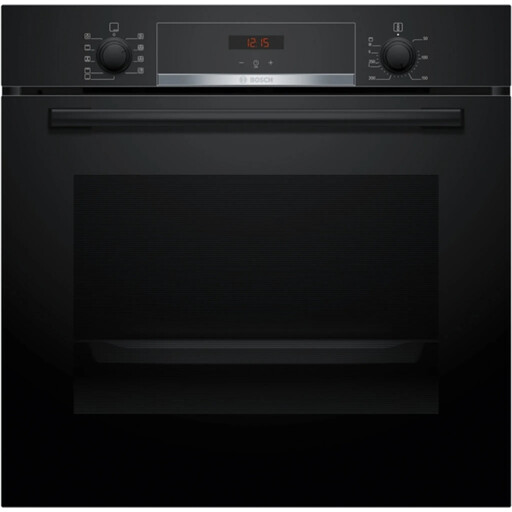 Image unavailable
Suitable when the kitchen has a ventilated recess and a compatible power supply, in a base unit or tall housing according to the product sheet.
71 L, seven cooking modes, rapid preheating, hydrolytic cleaning, A+ rating, 220–240 V supply and stated connection load of 3 400 W.
Check the stated 58.5–59.5 × 56–56.8 × 55 cm recess, the electrical circuit and the unit’s thermal clearances.
 Image unavailable
Worth considering for a household with a 60 cm integrated space and a complete, accessible water connection area.
13 place settings, B rating, advertised 42 dBA Silence programme, three-level adjustable basket and automatic door opening for drying.
Check the stated minimum recess of 820–900 × 600 × 555 mm, the connections and the clearance required in front of the door.
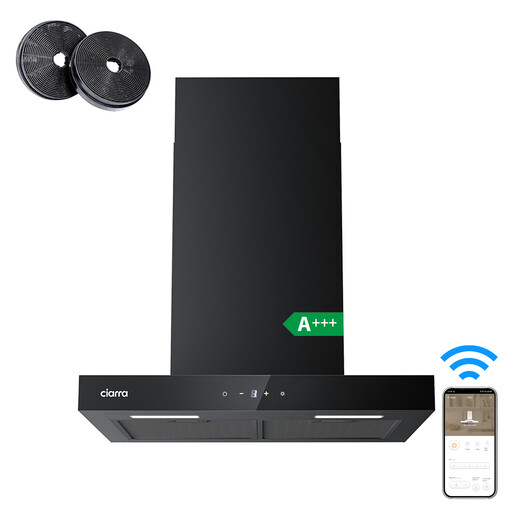 Image unavailable
This hood may be suitable for wall mounting once the choice between extraction and recirculation has been confirmed for the property.
Two advertised modes, advertised maximum airflow of 650 m³/h, four speeds with Booster, washable aluminium filters and advertised maximum noise level of 59 dB.
Confirm whether ducting is possible, as well as the air inlet, existing ventilation and minimum distance above the hob.
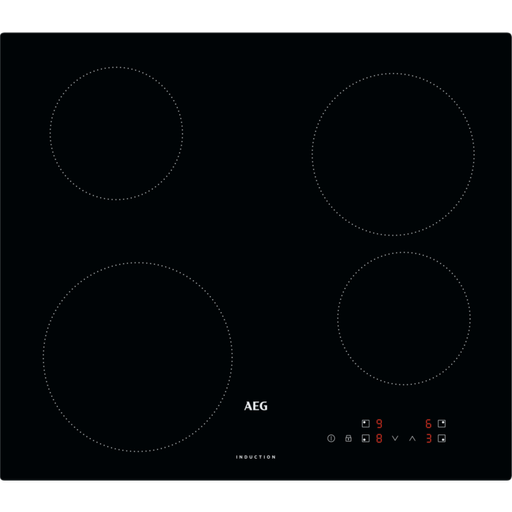 Image unavailable
Worth considering for a compatible worktop and electrical circuit, with cookware suitable for induction.
Four zones, Booster, pan detection, residual heat indicator, child lock, stated 56 × 49 cm cut-out and rated power of 6 900 W.
This model is stated as unsuitable for installation above a dishwasher or on a freezer; check the layout and required connection.
First measure the recesses, access routes, door openings and available connections. Then confirm the refrigerator and dishwasher around the refrigeration and water zones, followed by the cooking appliances and finally the hood, depending on the extraction or recirculation solution available.
No. At a minimum, check the recess width and height, integration type, unit alignment, door system and ventilation required by the chosen model. For the relevant models, Bosch recommends a ventilation gap of at least 200 cm² behind and beneath the appliance.
Confirm that the water inlet, waste outlet and electrical supply intended for the appliance are present and accessible. For a particular feature such as AquaStop, also consult the instructions, warranty conditions and any professional installation requirements.
Choose extraction when a duct to the outside and a compensating air inlet can be installed in your home; choose recirculation when external extraction cannot be created. In both cases, check the ducting, bends, width, installation height and existing ventilation; recirculation may require charcoal filters depending on the model.
No, they depend on the hood model and the type of hob. For example, the Electrolux LFG517X specifies 50 cm above an electric hob and 65 cm above a gas hob; consult the instructions for the chosen reference before ordering or installation.