
Livraison le jour même ou le lendemain

Qualité garantie

Débloquez vos offres de bienvenue: Livraison GRATUITE | Jusqu'à -80 % | 30 jours d'essai gratuits à JoyPlus
Téléchargez l'application
A kitchen extractor hood isn’t something you should choose based solely on looks or price. A sleek front can hide insufficient airflow, high noise levels, or expensive replacement filters. On the other hand, a very powerful model might be overkill for a small kitchen and more complicated to install.
Before you buy, three pitfalls deserve your attention:
A 60 cm kitchen hood generally suits a hob of a similar width. For a larger hob, a 90 cm model offers a wider capture zone. Also think about measuring the depth available under a wall cabinet or against the wall.
The main formats are as follows:
Always follow the installation height stated in the manual. For the COMFEE’ KWH-SLIF17B-60, the recommended height is between 650 and 750 mm above the cooking zone. Installing it too high can reduce how effectively it captures smoke and steam.
Airflow is measured in m³/h. A small, closed-off kitchen has different needs to an open-plan one, or to a space where you regularly grill or deep-fry.
An extractor hood that vents outside requires compatible ducting, an external outlet, and an installation that meets the constraints of your home. It removes smoke and moisture, but this solution isn’t always possible in a flat.
A recirculation hood is simpler to install when no ducting is available. It uses a charcoal filter to treat odours. This system doesn’t replace the general ventilation of your home and requires regular filter changes, depending on how often you cook.
Some appliances offer both solutions. This versatility can come in handy when moving house or renovating, but check whether the charcoal filter, ducting and accessories are included. The COMFEE’ KWH-SLIF17B-60, for example, states two extraction modes, but the cotton filter needed for recirculation is listed as sold separately.
The noise level, measured in dB, should be compared at the same speed. A quiet hood doesn’t mean it will be completely silent, especially at maximum speed or with the boost function.
Also consider:
An LED light can improve visibility over the hob without you having to turn on the main lighting every time. Wi-Fi or app control might be appealing if you want to operate the hood remotely, but these features come after the essentials: airflow, noise level and compatibility with your setup.
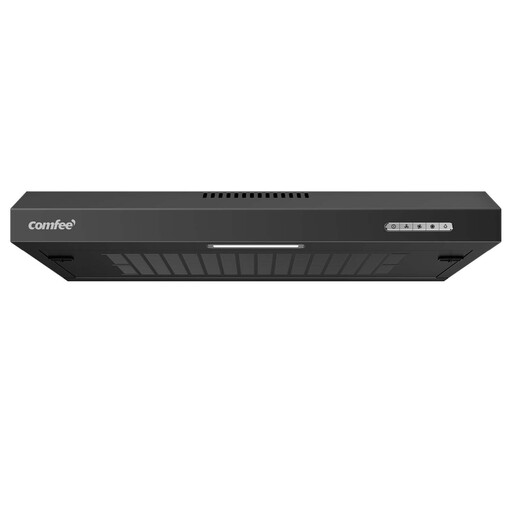
Why this choice suits this profile: Its 600 mm size and simple controls make it ideal for a first installation in a small kitchen.
The spec sheet mentions three speeds and two ventilation modes. However, you’ll need to buy the filter for recirculation separately.
Stated airflow of 200 m³/h, removable aluminium filter and built-in LED lighting.
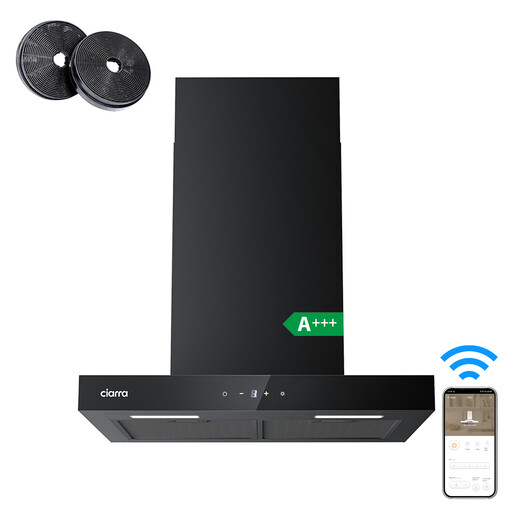
Why this choice suits this profile: This Wi-Fi-connected hood targets modern kitchens where touch control, an app and installation flexibility matter.
The model works in recirculation mode or can be connected to ducting. The spec also states that CBCF003 charcoal filters must be used in recirculation mode.
Stated airflow up to 650 m³/h, maximum noise level stated at 59 dB, four speeds with boost function and washable aluminium filters.
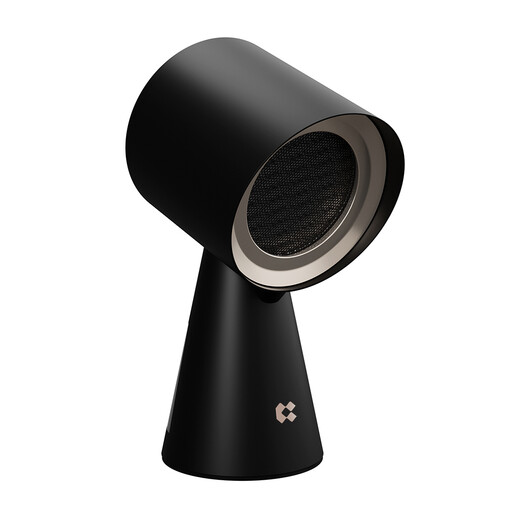
Why this choice suits this profile: Its mobile format is ideal for tenants, studio flats, campervans and temporary cooking spaces without a wall duct.
It works in recirculation mode with filtration, without drilling or modifying the wall. The collection tray and filters need cleaning after each use.
Two speeds, stated electrical power of 24 W, airflow stated at 77.8 to 108 m³/h and maximum noise level below 65 dB.
We’ve put together a comprehensive, real-time list of products that meet these demanding selection criteria and European safety regulations.
Before fitting a wall-mounted or built-in extractor hood, check the type of wall, whether there’s any existing ducting, and the distance from the hob. The electrical connection must follow the manufacturer’s instructions and the regulations that apply in your home.
To keep it running at its best:
Yes, it can work perfectly well when an external connection isn’t possible. However, it does need a charcoal filter and won’t remove moisture from the home. Good general ventilation is therefore still essential.
It all depends on the room size, whether it’s open to the living area, and your cooking habits. Compare the useful airflow at each speed, the corresponding noise level, and whether there’s a boost function. A maximum airflow figure on its own isn’t enough to choose between two appliances.
The running cost depends on the electrical power, how long you use it, and the energy rating. In recirculation mode, the charcoal filters are often the main ongoing expense. Before you confirm your purchase, check their part number, availability and how often they need replacing.