
Livraison le jour même ou le lendemain

Qualité garantie

Débloquez vos offres de bienvenue: Livraison GRATUITE | Jusqu'à -80 % | 30 jours d'essai gratuits à JoyPlus
Téléchargez l'application
A kitchen extractor hood needs to suit the actual layout of your room, not just the promises on the box. In an open-plan kitchen, a small flat or a rented property, the extraction mode, noise level and size can matter more than the power figures printed in bold on the packaging.
Before you place your order, here are the main pitfalls to avoid.
Measured in m³/h, airflow refers to the volume of air moved under specific conditions. It isn't enough on its own to predict real-world performance: the length of the ducting, the number of bends, the condition of the filters and the operating mode all affect how well the hood works.
A powerful extractor hood can be a sensible choice if you cook often, regularly deep-fry or have an open-plan kitchen. On the other hand, a more modest model can be perfectly adequate for a small hob used occasionally, especially if the hood is positioned correctly above the cooking zone.
An extractor hood with external venting pushes air outside your home through a duct. Before settling on this option, check whether a compatible outlet exists, the dimensions of the connection, and any rules that apply in your leasehold property or rented home.
If there is no duct available, a ductless extractor hood, also called a recirculation hood, passes air through a grease filter and then a charcoal filter before returning it to the room. Installation is simpler, but the charcoal filter must be replaced according to the instructions in the manual.
A hood described as a quiet extractor hood should be compared by its noise level in decibels, ideally for each speed setting. A unit rated at 59 dB at maximum speed cannot be directly compared to another that claims 59 dB at an intermediate speed.
Maintenance also plays a crucial role. Washable metal filters reduce ongoing costs, but they need to be cleaned regularly. A clogged filter can reduce airflow and make the hood noisier.
A 60 cm kitchen extractor hood suits many standard hobs and cooking surfaces. However, it must adequately cover the cooking zone and respect the distances stated in the manual, particularly above a gas or electric hob.
Before you decide, measure the available width, the depth of the cabinet and the distance between the hood and the hob.
Don't just look at the maximum airflow: also check the intermediate speeds. A unit with three or four levels lets you adjust the extraction for gentle simmering as well as more intense cooking.
As a guide, the models shown below display very different figures: from 184 m³/h for a compact built-in hood to 650 m³/h for some wall-mounted models. These numbers come from the product datasheets and are not a universal measure of effectiveness in every kitchen.
In an open-plan kitchen, noise level quickly becomes a key factor. A value between 58 and 64 dB at maximum speed deserves careful consideration, bearing in mind that the noise you actually hear also depends on the ducting and the room's acoustics.
A washable aluminium grease filter makes routine maintenance easier. In recirculation mode, check the charcoal filter reference, whether it is included in the box and its replacement cost.
An extractor hood with LED lighting improves visibility above the hob, but the brightness and colour temperature can vary from model to model. The energy class and annual consumption shown on the label provide an objective basis for comparing appliances.
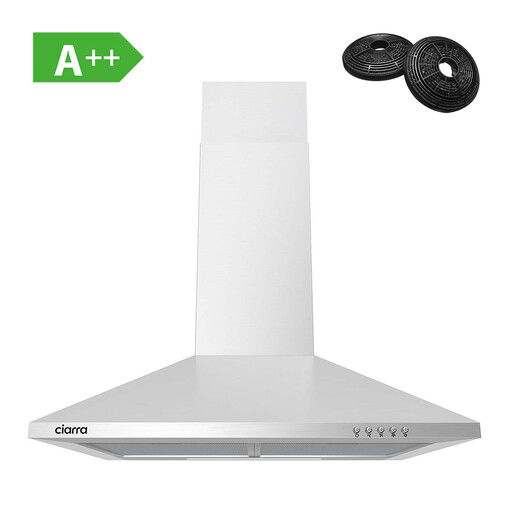
Why this choice suits this profile: Its 60 cm size fits many kitchens and the mechanical controls are straightforward to use day to day.
It accepts both external venting and recirculation, so you won't order a unit that's incompatible with your room.
Rated airflow up to 367 m³/h, two washable aluminium filters, integrated lighting and A++ energy class.
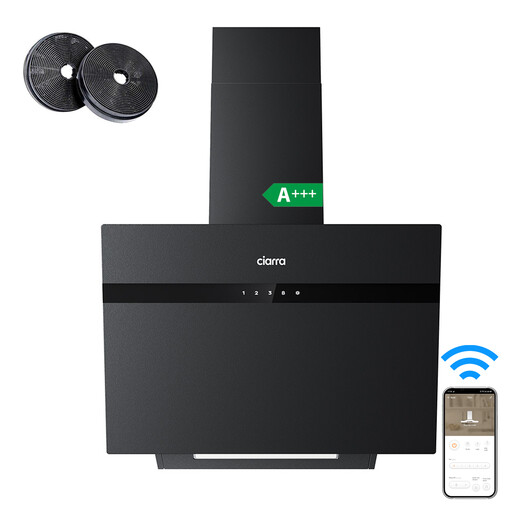
Why this choice suits this profile: Its matt black front, app control and slanted design are aimed at open-plan kitchens where aesthetics and ease of use matter.
The datasheet states a maximum noise level of 58 dB and specifies both extraction and recirculation modes – two things to check before installation.
Rated airflow of 650 m³/h, two-level LED lighting, three speeds and A+++ energy class according to the product sheet.
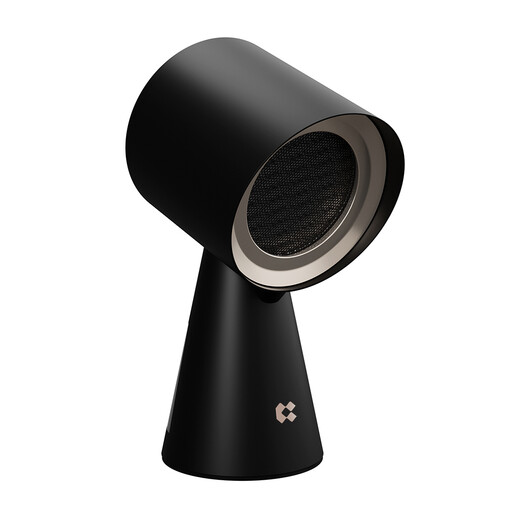
Why this choice suits this profile: This self-contained unit is ideal for studios, rented properties, campervans or temporary cooking areas, with no wall modifications needed.
It requires no ducting or drilling and works on filtered recirculation. However, you will need to empty the collection tray and clean the filters after each use.
Two speeds, rated power of 24 W, airflow up to 108 m³/h and maximum noise level below 65 dB.
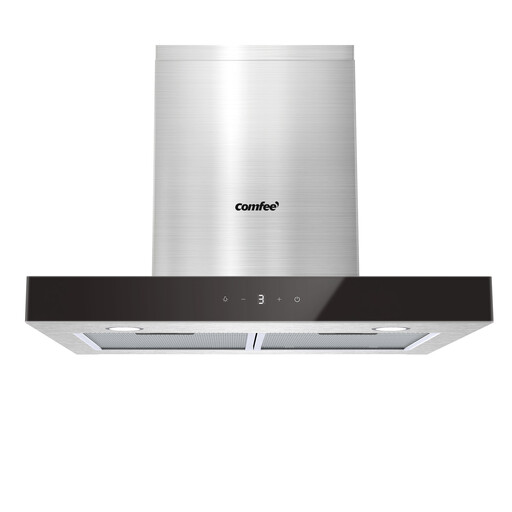
Why this choice suits this profile: Its high rated airflow and four speeds suit regular cooking, while the touch and gesture controls make it easy to operate.
The datasheet details the maximum airflow of 650 m³/h, the stated noise level of 59 dB and compatibility with recirculation or extraction.
Dishwasher-safe aluminium filter, LED lighting, claimed BLDC motor and A+++ energy class.
We've put together a comprehensive, real-time updated selection of products that meet these demanding criteria as well as European safety standards.
Yes, it can be a good solution when external venting is impossible or prohibited. However, it does require regular maintenance of the grease filter and replacement of the charcoal filter according to the manual's recommendations. It does not replace the general ventilation of your home.
Compare the stated airflow, the number of speeds, the noise level and the layout of your room. An open-plan kitchen or frequent cooking may justify a higher airflow. In a small kitchen that is used infrequently, a compact model can be more than sufficient.
It depends on how often you use it, how well you clean the filters, the quality of the installation and how you operate the controls. Before buying, check the availability of filters, the accessories included, the warranty period and the maintenance instructions.