
Livraison le jour même ou le lendemain

Qualité garantie

Débloquez vos offres de bienvenue: Livraison GRATUITE | Jusqu'à -80 % | 30 jours d'essai gratuits à JoyPlus
Téléchargez l'application
Renovating a kitchen doesn’t have to mean replacing cabinets or embarking on major building work. A kitchen splashback sticker, new window dressing, a portable induction hob or a wall-mounted extractor hood can transform the look and feel of the room at a fraction of the cost.
But be warned: some purchases that look tempting on paper can prove disappointing after just a few weeks. Here are the main pitfalls to avoid and the key criteria to check before choosing your kitchen equipment and décor.
Tile stickers can cover old wall coverings and give the room a more uniform appearance. However, they won’t solve a damp, crumbly or uneven wall. On a poorly prepared surface, they’re likely to peel off quickly, especially behind the cooking area.
For an easy kitchen makeover, make sure the surface is clean, dry, flat and smooth. If you’re renting, also check whether adhesive coverings are allowed and plan a removal method that won’t damage the wall.
A catalogue photo can give a misleading impression of size or coverage. Before ordering, measure:
The dimensions of the room, furniture and openings often determine whether a product is suitable, far more than its style.
High power isn’t everything. For a hob or extractor hood, also consider the noise level, installation method, maintenance requirements, electrical compatibility and availability of replacement filters.
Similarly, kitchen curtains may filter light without offering full blackout. The product description should specify the material, dimensions and type of fixing.
A kitchen splashback sticker is best suited to an area protected from constant splashes. The Art3d panels shown here measure 30 × 30 cm and combine a vinyl base with a textured epoxy resin top layer. The manufacturer states the surface is water-resistant and can be cleaned with a damp cloth.
Installation does require some care:
This type of product is not designed for use inside a shower cubicle or areas subject to direct, continuous water flow. Avoid exposing it to repeated splashes or excessive heat.
For a portable induction hob, check the power output, temperature range and compatible cookware. The IAGREEA DF200-14V10 model offers adjustable power from 100 to 2,000 W, eight power levels and a temperature range between 60 and 270 °C. It accepts flat-bottomed, magnetic pans with a diameter of 12 to 26 cm.
A simple fridge magnet will tell you if a pan is induction-compatible. Also check the plug, voltage and electrical installation available. The model specifies a power supply of 220-240 V, 50 Hz, but always consult the manual and safety instructions before use.
A wall-mounted extractor hood can operate in either extraction or recirculation mode. These two modes require different installations:
The 60 cm Ciarra hood boasts a maximum airflow of 580 m³/h, a maximum noise level of 64 dB, a washable metal filter and two charcoal filters for recirculation mode. Regular maintenance is essential: the grease filter should be cleaned every two to four weeks, depending on how often you cook. Also check the recommended distance between the hood and the hob.
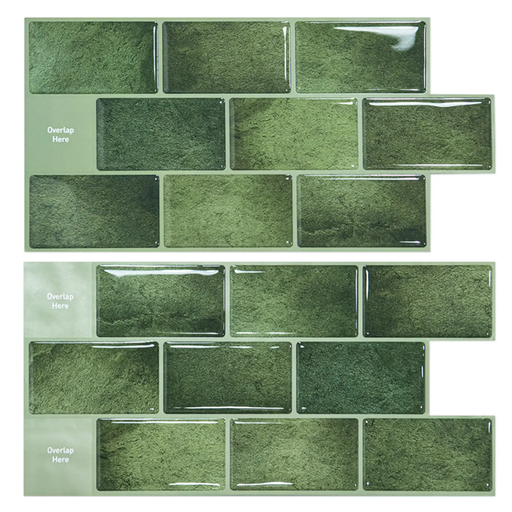
Why this suits this profile: The ten 30 × 30 cm panels let you refresh a small to medium area without any specialist tools.
The product page clearly states the limitations around water exposure and explains how to prepare the wall before application.
Large panels, textured relief finish, self-adhesive backing and easy cleaning with a damp cloth.

Why this suits this profile: The floral patterns add a real decorative touch while still letting natural light into the kitchen.
The two panels and the stated size of 132 × 220 cm make it easy to check the coverage area before purchasing.
Light-filtering voile, fits either a curtain pole or back tabs, and designed for kitchen use.

Why this suits this profile: This hob works well as an extra appliance in a studio flat, student accommodation or to temporarily increase your cooking capacity.
Cookware compatibility, the power range and the timer of up to three hours are all clearly stated.
Maximum power of 2,000 W, child lock, pan detection and an easy-to-wipe ceramic glass surface.
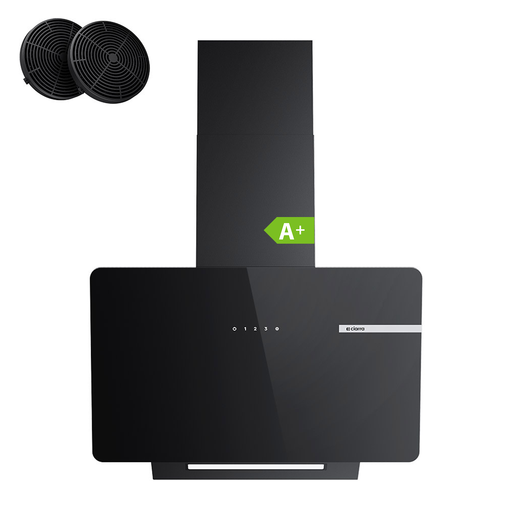
Why this suits this profile: Its 60 cm wall-mounted design and two ventilation modes meet the needs of a regularly used kitchen.
The product page clearly distinguishes recirculation from extraction and details how to clean the metal filter and charcoal filters.
Maximum airflow of 580 m³/h, LED lighting, touch control and a washable aluminium filter.
We’ve put together a comprehensive, real-time updated list of products that meet these strict selection criteria and European safety regulations.
Window dressing can change the atmosphere without touching the walls. A 90 × 45 cm kitchen valance can dress a small window, while a longer sheer curtain will suit a patio door or standard window. Measure the width of your curtain pole and allow enough extra for neat pleats.
Two options can complete the look:
These are available as a single 90 × 45 cm panel with a pole pocket. They’re ideal for dressing a kitchen window, but should be kept away from flames, hot hobs and grease splashes.
Self-adhesive wall panels and curtains are generally simpler to install than traditional tiles or altering cabinets. However, do check the condition of the wall, the terms of your tenancy agreement and the removal method before fitting. An adhesive splashback should not be used to hide a damp problem.
Its consumption depends on the power level selected, the cooking time and how often you use it. A 2,000 W appliance can reach that maximum power, but it won’t necessarily run at that level continuously. Use a suitable pan with a diameter close to the recommended cooking zone to minimise energy loss.
The grease filter should generally be cleaned every two to four weeks if the kitchen is used frequently. In recirculation mode, also check the charcoal filters following the manufacturer’s recommendations. Always unplug the appliance before any maintenance and avoid abrasive cleaners on the glass surfaces.