
Livraison le jour même ou le lendemain

Qualité garantie

Débloquez vos offres de bienvenue: Livraison GRATUITE | Jusqu'à -80 % | 30 jours d'essai gratuits à JoyPlus
Téléchargez l'application
Equipping your kitchen, whether for a first home or a complete refresh, is always an exciting moment. But faced with an overwhelming number of options and sometimes misleading marketing claims, it's easy to make a mistake. An impulse buy too often results in a utensil that gathers dust in the back of a cupboard or, worse, breaks down after just a few uses.
Our mission at Joybuy is to help you see things more clearly. Let's break down the pitfalls to avoid and the essential criteria for choosing kitchen equipment that is both durable and truly suited to your needs.
The market is overflowing with tempting promises. Before you pull out your credit card, beware of these three common traps that can cost you dearly.
To avoid falling into these traps, rely on objective criteria instead. Here are the three essential checkpoints before choosing your future cookware.
This is the non-negotiable starting point. Your hob dictates the type of kitchen utensils you can use.
The material of your utensils has a direct impact on cooking, the taste of your food, and, of course, their lifespan.
For electrical appliances, don't be dazzled by a lengthy spec sheet.
To put theory into practice, here is our selection of products that tick all the boxes, designed for different types of cooks.
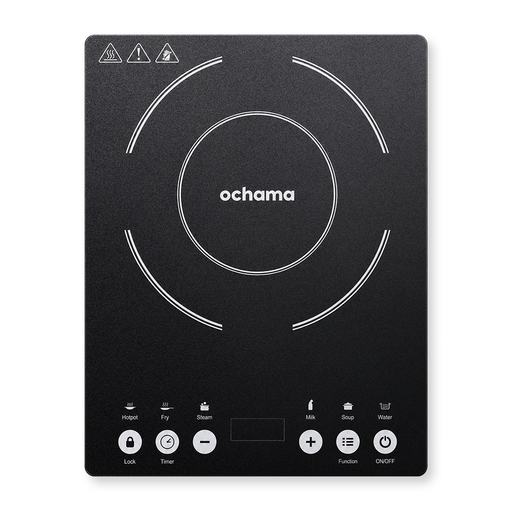
Why we chose it: Ideal for small spaces, student flats, or as an extra hob. It packs all the speed and precision of induction into a compact, easy-to-store format.
There's no ambiguity here: it's an induction hob, which immediately requires compatible cookware. Its 6 functions are targeted and practical (fry, boil, etc.), without being cluttered with useless gadgets.
Its 2000W power ensures express heat-up, and its 10 power levels offer precise control, from simply keeping food warm to high-heat searing.
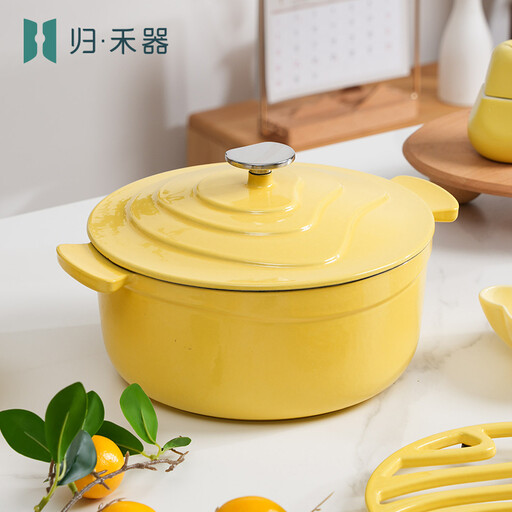
Why we chose it: The must-have for fans of traditional cooking. Its enamelled cast iron design is the best ally for stews, soups, and any dish that requires slow, gentle cooking.
Cast iron is a material built to last, the very opposite of planned obsolescence. Its vitrified enamel provides a healthy and ultra-durable surface that won't degrade like a simple non-stick coating.
Its exceptional heat retention ensures even cooking even at low temperatures, which keeps meat tender and concentrates flavours. Bonus: it's compatible with all hobs, including induction.
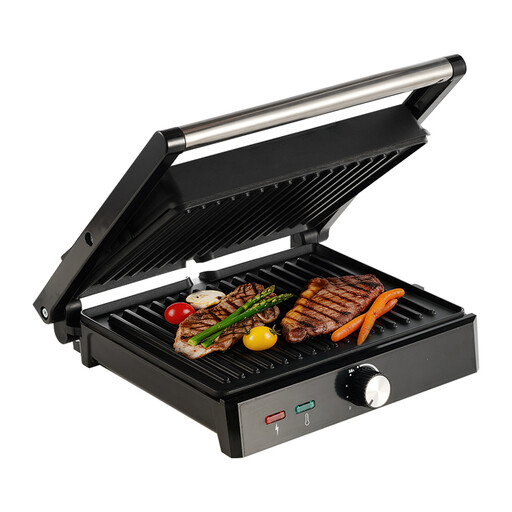
Why we chose it: This versatile appliance is a meat grill, panini press, and sandwich toaster all in one. It's perfect for quick, healthy, and delicious meals, from steak to grilled vegetables.
It focuses on its main mission (grilling) and does it perfectly, without being burdened by superfluous programs. Its 2000W power is a real guarantee of performance, not an empty marketing claim.
The dual-plate heating sears food quickly and evenly, while locking in its juices. Its large non-stick plates (28 x 22 cm) allow you to cook for several people and can be cleaned with a simple wipe.
We have put together a complete and up-to-date selection of products that meet our demanding selection criteria and current safety standards.
The entire difference lies in the heating technology. A ceramic hob uses a heating element that heats the glass plate, which in turn transfers the heat to the pot. An induction hob, on the other hand, generates a magnetic field that directly heats the base of the cookware. The result: induction is faster, more energy-efficient, and safer, as the hob surface itself remains almost cool.
It's very simple. The golden rule: always let the casserole cool down completely before washing it to avoid thermal shock, which could crack the enamel. Washing by hand with hot water and a soft sponge is sufficient. Avoid metal scouring pads. Dry it thoroughly before storing. With proper care, it will be passed down through generations.
A pure iron (or carbon steel) wok offers very high-temperature cooking performance, ideal for Asian cuisine. The flip side? It requires an initial "seasoning" (creating a protective patina with oil) and rigorous maintenance to prevent rust. For a beginner or for those who prefer simplicity, a good quality non-stick wok or a stainless steel model will be a more user-friendly choice.