
Livraison le jour même ou le lendemain

Qualité garantie

Débloquez vos offres de bienvenue: Livraison GRATUITE | Jusqu'à -80 % | 30 jours d'essai gratuits à JoyPlus
Téléchargez l'application
Kitchen grease, whether fresh or baked-on, is a real chore. Faced with shelves overflowing with promises, it's easy to get lost. Choosing the wrong kitchen degreaser isn't just ineffective—it can also damage your surfaces, wasting your time and money. As the Head of Product Selection at Joybuy, my mission is to help you sort through the options. This guide breaks down the essential criteria to steer you toward the product that truly meets your needs.
Marketing claims are often appealing but can be misleading. Before you check out, watch out for these three classic pitfalls:
To make the right choice, three technical criteria must be examined closely. They are your guarantee of effectiveness and safety for your kitchen cleaner.
The product's format isn't just a matter of preference; it directly impacts its application and effectiveness.
This is the number one criterion to avoid damaging your kitchen. The first step before any purchase: systematically check the manufacturer's recommendations on the label. An induction hob cleaner is not interchangeable with a product for an enamel gas stove, for example.
A product's effectiveness depends on its composition, which is specifically formulated for a certain type of grime.
Because every kitchen and cleaning routine is unique, here is our selection of products tailored to different needs.
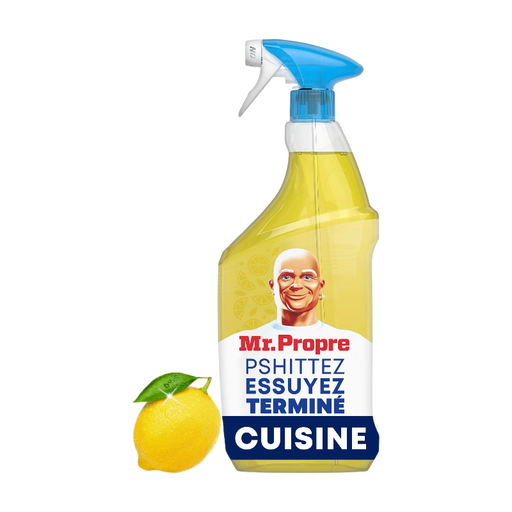
Why it's a great choice: Perfect for those who clean their kitchen as they go. Its spray formula tackles fresh, everyday grease on countertops, hobs, or backsplashes right after cooking.
This product delivers on its promise: fast action on the grime it's designed for, which is everyday grease. It doesn't sell you the dream of stripping a carbonised oven rack in 30 seconds.
Its spray format is ultra-practical for quick, wide application. Safe for food contact surfaces (after rinsing), it's perfect for hassle-free daily use.
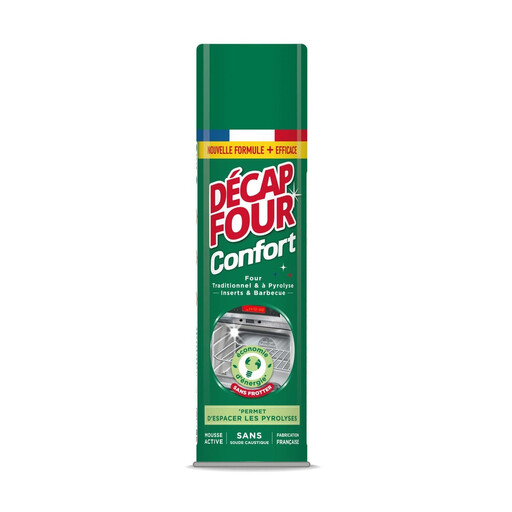
Why it's a great choice: The specialist for deep cleaning. Its formula was designed to attack burnt and carbonised grease that takes over ovens, grates, and barbecues.
This is not a catch-all "multi-surface" product. Its specialisation gives it formidable effectiveness on its target (cooked-on grease), while being very clear about which surfaces to avoid (aluminium, copper, etc.).
Its caustic soda-free formula will reassure some users. It is effective on a cold or warm oven, which offers greater flexibility in use.
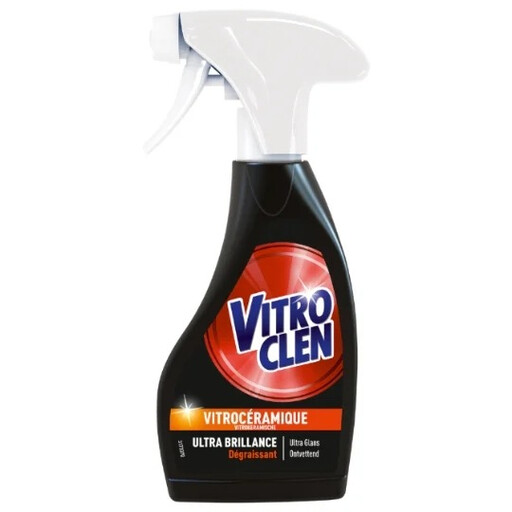
Why it's a great choice: The essential product for all owners of ceramic or induction hobs. Its formula is calibrated to clean and degrease these fragile surfaces without the slightest scratch or streak.
It avoids the "multi-surface" trap by establishing itself as a true expert. Using it means avoiding the disaster of damaging an expensive hob with a generic, overly aggressive degreaser.
It leaves a protective film that makes subsequent cleanings easier. The fact that it's recommended by major appliance brands is a real seal of trust and compatibility.
We have curated a complete, up-to-date selection of products that meet our selection criteria and current regulations.
As a general rule, this is a very bad idea. Oven cleaners, which are often highly alkaline to dissolve carbonised grease, can irreversibly damage the glass surface of an induction hob. It is therefore imperative to use a hob cleaner specifically formulated for ceramic or induction, which cleans without being abrasive.
Yes, a powerful degreaser contains active chemical agents that can irritate the skin and eyes. Wearing gloves and ensuring good ventilation in the room are therefore strongly recommended during use. Always read the label to check for surface compatibility and safety instructions. When in doubt, testing on a small, inconspicuous area remains your best ally.
A standard degreaser simply dissolves grease using surfactants or alkaline agents. A degreaser with bleach (sodium hypochlorite) adds a dual action: it degreases AND disinfects by eliminating bacteria and mould. It also has a whitening effect. Be careful, however: products with bleach are more corrosive, must NEVER be mixed with other cleaners (especially acidic products like vinegar), and require meticulous rinsing on surfaces that come into contact with food.