
Livraison le jour même ou le lendemain

Qualité garantie

Débloquez vos offres de bienvenue: Livraison GRATUITE | Jusqu'à -80 % | 30 jours d'essai gratuits à JoyPlus
Téléchargez l'application
A grater that slips, a peeler that removes more flesh than skin, or an electric slicer that is awkward to clean can quickly turn meal preparation into a chore. And the differences between cutting tools are not limited to their price or appearance.
To shop more intelligently, it is better to focus on how you will actually use the tool, the quality of its materials and its maintenance requirements. Here are the main pitfalls to avoid, along with a selection designed for different types of user.
A multifunctional utensil may come with several blades or accessories, without every function being genuinely practical for regular use. A grater designed to produce large shavings will not replace a fine grater for citrus zest. Similarly, a manual chip cutter may not cope particularly well with very firm potatoes or large quantities.
Before choosing, start by listing the foods you prepare most often: vegetables, fruit, cheese, bread, cured meats or potatoes.
A well-sharpened blade makes cutting easier, but it also requires good stability, a secure grip and suitable storage. A fine grater or cheese knife that is not held securely can cause a cut, particularly when the piece being prepared becomes small.
A non-slip handle, stable base, pusher or protective cover are much more tangible features than a simple marketing promise.
Food can easily become stuck in a grater’s perforations or around a slicer blade. Wood also requires some care: an integrated board should generally not be submerged or put in the dishwasher.
A utensil that is difficult to clean will often end up at the back of a drawer. So check the manufacturer’s recommendations, whether parts can be removed and whether the item is dishwasher-safe when this is stated.
Stainless steel is very common for blades, graters and food preparation accessories. It resists moisture and acidic foods better than unprotected metal. However, this does not mean you can skip drying the parts after washing, especially knives and fine blades.
For the body or handle, plastic helps keep the tool lightweight, while wood provides a different grip at the cost of more demanding care.
A kitchen grater may offer several formats:
For an electric slicer, check the thickness range, the blade diameter and whether a pusher is included. The KitchenCook SLICE I, for example, states that it offers a setting from 0 to 15 mm, a 190 mm serrated blade and a 150 W motor. This information allows you to compare appliances more seriously, without assuming that they are suitable for every preparation.
A non-slip base limits movement while grating. With an electric slicer, the appliance should be placed on a dry, stable surface, and the pusher should be used for every cut. The motor unit must never be submerged.
Also remember to check the maximum continuous operating time. The KitchenCook SLICE I specifies a limit of 10 minutes, followed by a cooling period of 15 minutes. This is worth considering if you plan to prepare large quantities.
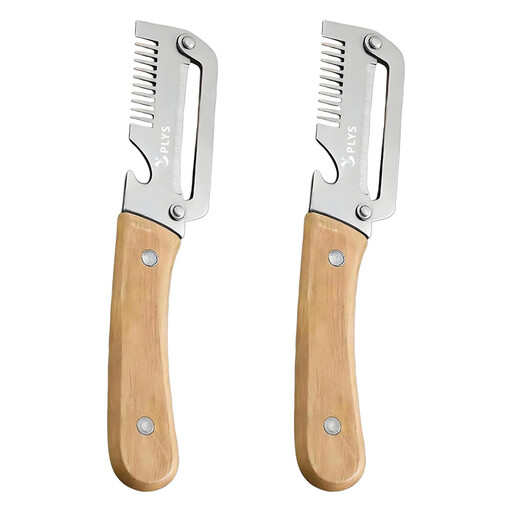
Why this choice suits this type of user : This compact set fits easily into a sparsely equipped kitchen, student accommodation or rented property. It covers everyday fruit and vegetable preparation tasks.
Its functions are clearly defined: peeling, cutting into fine strips and opening bottles. There is no need to build up a collection of small utensils.
Stainless steel blade, wooden handle and an overall length of around 19 cm. A simple rinse under water is enough for everyday cleaning.
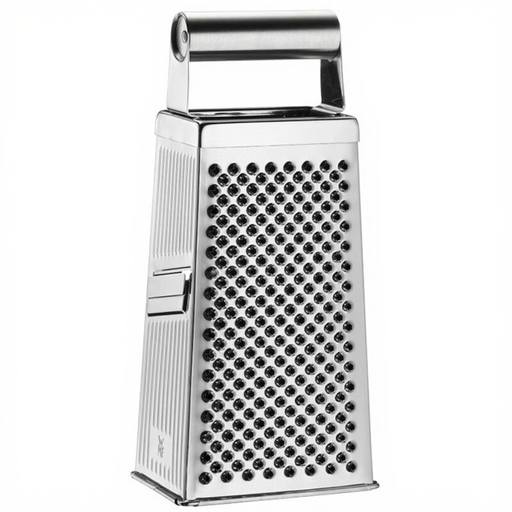
Why this choice suits this type of user : Its four-sided design meets the needs of anyone who regularly grates vegetables, cheese, fruit, chocolate or nuts.
The four surfaces clearly separate coarse grating, fine grating, slicing and producing fine shavings. You can choose the right side for each preparation instead of relying on vague claims of versatility.
Cromargan stainless steel, ergonomic handle and stable base. The manufacturer states that it is dishwasher-safe, although hand washing is still preferable to preserve the sharpness.
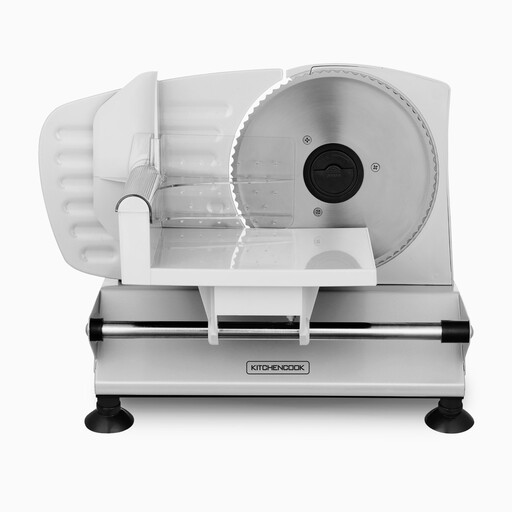
Why this choice suits this type of user : This food slicer is designed for people who regularly slice bread, cheese or cured meats and want consistent thickness.
The adjustment dial, from 0 to 15 mm, and the safety pusher provide precise guidance. The maximum continuous operating time is also specified.
150 W motor, 190 mm serrated stainless steel blade, suction feet and removable sliding carriage.
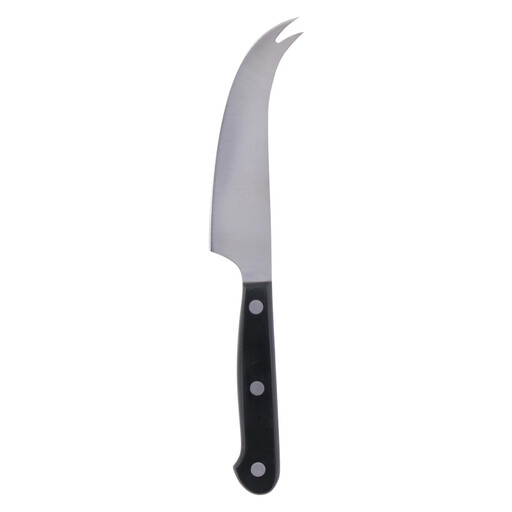
Why this choice suits this type of user : Its size is well suited to serving hard cheeses during a relaxed meal or alongside a sharing cheeseboard.
It focuses on one specific task rather than promising versatility that is difficult to assess. Its forked tip makes it easier to pick up and transfer pieces.
Stainless steel construction, 23.5 cm length and a handle designed for a secure grip. Hand washing is recommended.
A coarse grater is suitable for potatoes, carrots, beetroot and hard cheeses. For zest, ginger, nutmeg or finely grated Parmesan, choose a fine grater. A four-sided grater can be a good compromise if you regularly use several formats.
Yes, provided you have enough space to store it and a stable worktop. Check the appliance’s dimensions, the space required around the motor and whether certain parts can be removed. For occasional use, a manual slicer or suitable knife may sometimes be easier to store.
Rinse off residue promptly, dry the metal parts and avoid abrasive sponges. Store graters with their protective cover when one is supplied. For wooden utensils, do not leave them soaking and dry them immediately after washing. Finally, follow the instructions concerning dishwasher use and foods that should not be cut, such as bones or frozen products when the manufacturer advises against it.