
Livraison le jour même ou le lendemain

Qualité garantie

Débloquez vos offres de bienvenue: Livraison GRATUITE | Jusqu'à -80 % | 30 jours d'essai gratuits à JoyPlus
Téléchargez l'application
Preparing a stuffing, filling sausages, slicing a ham or putting together a sharing platter all call for the right tools. But buying kitchen and charcuterie utensils comes with a few pitfalls: power claims without precision, blades that are hard to maintain, or an appliance that arrives with a host of accessories you’ll never actually use.
To avoid ill-considered purchases, start by defining how you’ll use them. A home cook who occasionally minces meat won’t have the same needs as a keen home charcuterie enthusiast. Here are the key criteria to examine before choosing your equipment.
With an electric meat grinder, the maximum power quoted isn’t enough to judge everyday performance. You should also check for a reverse function, the diameter of the feed tube, the appliance’s stability, and how many grinding plates are supplied.
A fine plate works well for smooth preparations, while a coarser plate gives a more rustic texture. The reverse function can help clear a blockage, but it doesn’t replace the need to cut the meat into small enough pieces in the first place.
Meat and fat residues can get into the auger, blade or plates. An appliance that’s easy to take apart makes maintenance much simpler. Check the manufacturer’s recommendations before buying: some parts are dishwasher-safe, while others need to be washed by hand and dried promptly.
For a manual wooden charcuterie slicer, it’s best to avoid prolonged soaking. Clean the wood with a soft sponge, then dry it immediately to limit warping and moisture marks.
A knife block protects the blades and frees up drawer space – provided it’s stable and easy to clean. Also look at what’s in the set: some collections pile up similar knives instead of covering the tasks you actually do in the kitchen.
For everyday kitchen knives, a stainless steel blade offers good corrosion resistance – as long as it’s properly cared for. Washing and drying are still essential, even when the manufacturer highlights easy cleaning.
Non-slip handles improve grip, especially when cutting vegetables or joints of meat. A Japanese knife can be a good choice if you want a versatile blade for slicing and chopping, but its profile and sharpening style need to suit your habits.
For a grinder, check that it comes with:
If you plan to use your grinder regularly, also make sure it sits on stable feet. Suction pads can help stop it moving on a smooth surface, but the worktop must stay dry and clear.
A board that’s too small quickly makes preparation uncomfortable. A bamboo chopping board with a peripheral groove can catch some of the juices and work equally well for cutting and serving. However, do measure the space available in your cupboards and on your worktop.
For a manual slicer, a 16.8 cm blade and a compact size can be enough for nibbles, cheeses and vegetables. The thickness of the slices will depend mainly on your technique and the guide you use: never force the blade and keep your fingers well away from its path.
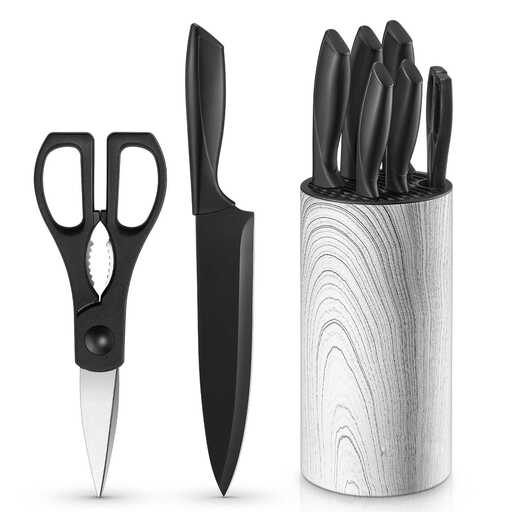
Why this choice suits this profile: This set brings together several knives suited to everyday tasks, with ergonomic, non-slip handles. It’s ideal for anyone looking to kit out their kitchen gradually without buying lots of separate items.
The removable block makes it easy to access the areas that need cleaning and stops blades being left loose in a drawer.
Seven pieces, stainless steel, non-slip handles and a compact black stand.
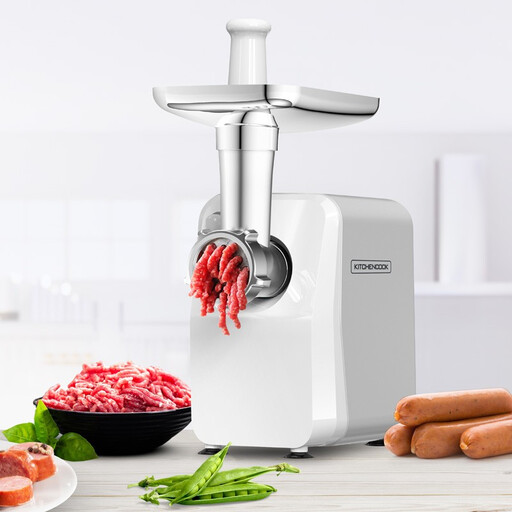
Why this choice suits this profile: This electric grinder is designed for people who want to regularly prepare homemade burgers, stuffings, sausages or kibbeh.
The two grinding plates (5 mm and 7 mm) let you adjust the texture, while the reverse function helps clear blockages.
Stated power up to 1,300 W under load, aluminium feed parts, sausage and kibbeh kits, built-in storage.
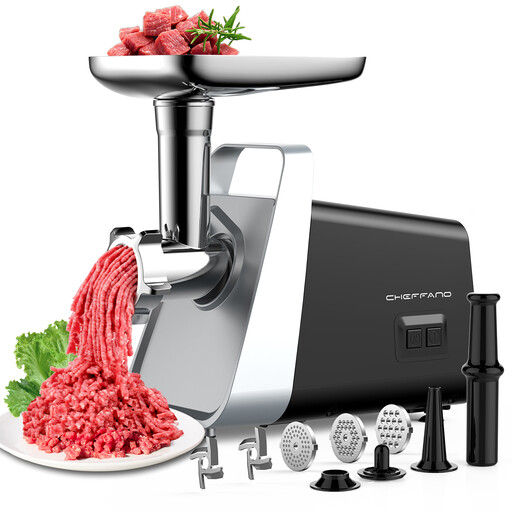
Why this choice suits this profile: Its design is aimed at varied and repeated preparations: minced meat, burgers, sausages and kibbeh-style recipes.
The three plates – fine, medium and coarse – mean you don’t have to buy separate accessories to change the texture.
Copper motor stated at 2,000 W, two blades, three plates, sausage tube and kibbeh attachment.
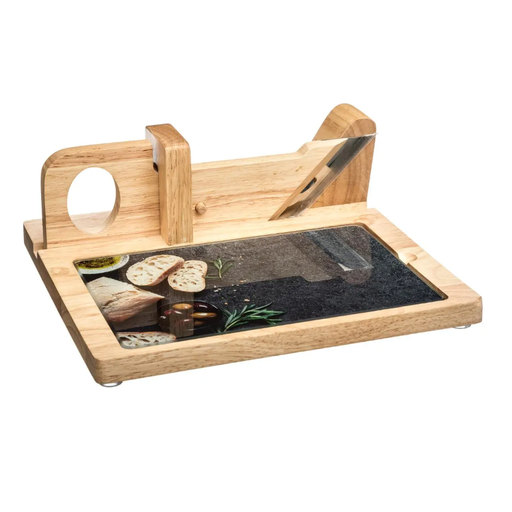
Why this choice suits this profile: Its design combines a cutting surface and a slicer, making it handy for nibbles, family meals and serving at the table.
The integrated board reduces the number of items to store and provides a stable base for non-frozen foods.
Dimensions 28.5 × 26 × 10 cm, stainless steel blade and wooden surface that can also be used for serving.
We’ve put together a comprehensive, regularly updated selection of products that meet these exacting criteria, while complying with European safety regulations.
A grinder with several plates, a pusher, a sausage-making kit, a stable board and suitable knives make a good starting point. Add a manual slicer if you regularly prepare ham, salami or cheeses.
Unplug the appliance before taking it apart, carefully remove any residue, then wash each part following the manufacturer’s instructions. Dry the metal components thoroughly before storing them. The motor block must never be immersed.
It can work perfectly well for moderate quantities and table-side use. For larger volumes, check the stability, ease of cleaning and availability of spare parts. In all cases, use the food guide and never slice frozen foods or bones.