Households with more than one fridge or freezer
If you use a fridge-freezer, a separate freezer or both, check their capacity against the amount of food you usually store before considering a replacement.


Start by looking at appliances that run continuously, especially if they’re larger than you need. But don’t assume a high bill means they need replacing. For a dishwasher, hob or oven, compare appliances with a capacity suited to how often you use them. The consumption figures shown are based on standard conditions, so they don’t guarantee how much you’ll use at home.
If you use a fridge-freezer, a separate freezer or both, check their capacity against the amount of food you usually store before considering a replacement.
If you run frequent cycles, capacity, water and electricity use per cycle matter just as much as the Eco programme’s duration and the noise it makes in your kitchen.
When replacing a hob or oven, think about your cookware, the portions you usually prepare and how often you cook, rather than focusing on just one energy feature.
First, work out whether an appliance is the wrong size for your needs or simply gets a lot of use. These situations don’t necessarily call for the same purchase.
| What matters to you | What to check before buying | Who this applies to |
|---|---|---|
| Getting the right size for an appliance that’s always on | Compare kWh/year and usable fridge and freezer capacity across appliances that meet the same need. | If my fridge or freezer is always plugged in, I want a capacity that suits the amount of food I store. Around 36% of consumers would make this their priority. |
| Keep, repair or replace? | Check the appliance’s condition and how you use it. If it breaks down, get it assessed before comparing like-for-like replacements. | If something breaks or my bill goes up, I want to know whether my current appliance still meets my needs before buying another one. Around 29% of consumers would make this decision a priority. |
| Choosing the right wash cycles | Compare kWh/100 Eco cycles, water per cycle and capacity with the number of washes you expect to run. | As I use the dishwasher often, I’m looking for a suitable capacity without having to run lots of small loads. Around 21% of consumers would prioritise this aspect of washing. |
| Choosing cooking appliances to suit how you cook | For a hob, check the installation and your cookware. For an oven, compare its capacity and the kWh per cycle for the mode you use. | As I cook regularly, the oven size and the compatibility of a new hob need to suit the dishes I make. Cooking would be the main priority for around 14% of consumers. |
ADEME points out that an appliance’s size and how you use it affect its actual energy consumption. For fridges and freezers, the European Commission says the energy label shows annual consumption and capacity. For dishwashers, it includes details such as energy use per 100 cycles, water per cycle and capacity. These figures help you compare like-for-like appliances, but they can’t predict your energy use at home on their own.
A larger fridge may suit different storage needs, even if it has a good energy rating. The rating alone won’t tell you whether its capacity is right for your household.
Also compare kWh/year and fridge and freezer capacities across appliances with a similar function and capacity.
For dishwashers, the energy label figure is based on standard cycles. The number of washes you run and the programmes you use will affect your actual consumption.
Estimate how often you wash up, then check water per cycle, the Eco programme’s duration and the capacity too.
The European Commission says energy labelling is compulsory for ovens, but not for domestic hobs.
When replacing a hob, check its technology, cut-out dimensions, power supply and whether it’s compatible with your cookware.
A breakdown alone isn’t enough to decide whether to repair or replace an appliance. In France, the repairability index for applicable dishwashers gives information about how easy a new model is to repair, but it doesn’t tell you what’s wrong with your own appliance.
Ask for a diagnosis and quote for your existing appliance. If you’re considering a new one, check the index and information about spare parts for the specific model.
These brands offer ranges of appliances that could suit your kitchen. However, a brand’s range is no substitute for checking the energy label and specifications of the model you’re considering.
Bosch offers fridges and freezers in a range of formats.
In France, Beko offers fridges and freezers, dishwashers, ovens and hobs.
Electrolux offers fridges and freezers, cooking appliances and dishwashers.
Whirlpool is a brand to consider when comparing kitchen appliances by function and capacity.
These models cover food storage in a single appliance and dishwashing. Before replacing a hob or oven, use the cooking criteria above rather than applying the features in this selection to a different type of appliance.
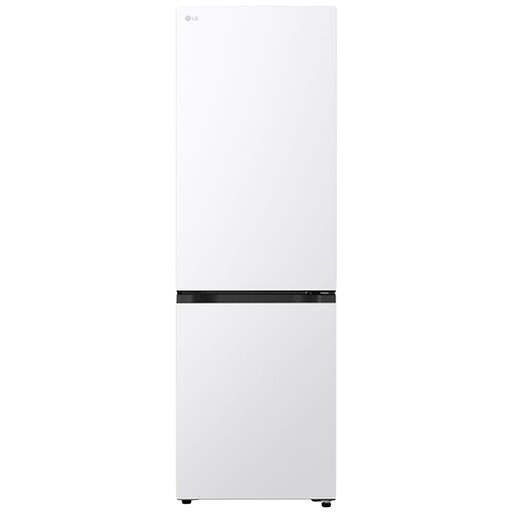 Image unavailable
If you want refrigeration and freezing in one appliance, check that its 333 L total capacity suits the amount of food you store. The product listing states a C rating and lists NatureFRESH, DoorCooling+ and LinearCooling features. Check the model’s annual energy use on its label before making a decision.
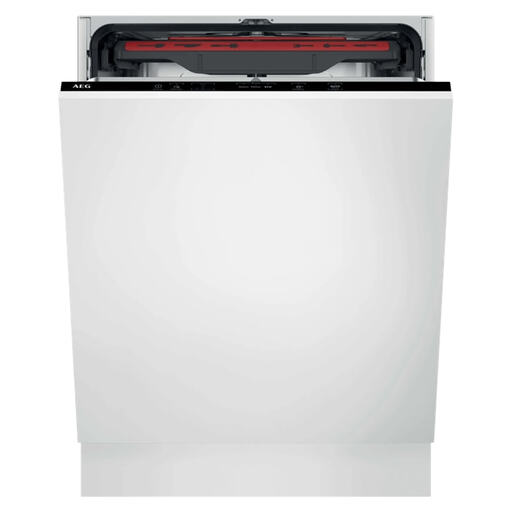 Image unavailable
If you’re considering an integrated model that can handle up to 14 place settings, check that this capacity suits your usual washing-up needs. The product listing states a 60 cm format and a C rating. Confirm the exact installation dimensions and kWh/100 cycles on the energy label before buying.
 Image unavailable
This three-door model combines refrigeration and freezing. Check whether its 360 L capacity suits the amount of food you usually store. The product listing mentions Total No Frost, Wi-Fi, My Zone and an E rating. Check the capacity of each compartment and the model’s annual energy use before comparing it with another format.
 Image unavailable
Consider this four-door format if you need a total capacity of 467 L to store your food, rather than simply because it offers plenty of space. The product listing states Total No Frost and an E rating. Check the available space, the capacity of each compartment and the model’s kWh/year on its energy label.
 Image unavailable
If you need to store a large amount of fresh and frozen food, compare the stated 444 L capacity with what you actually need. The product listing states an E rating and a noise level of 40 dB. Check the dimensions and clearance needed for installation, then check the model’s annual energy use on its label.
No. The figures are based on standard conditions specific to each appliance category. According to the European Commission, fridge and freezer labels show details such as kWh/year and capacity, while dishwasher labels show energy use per 100 cycles. The size of your appliance and how you use it affect its actual energy consumption.
Start with the fridge and freezer capacity you need, then compare the kWh/year of models that meet those same needs. Check the dimensions and features you want too: the energy rating alone won’t tell you whether the capacity is right for your household.
No. The European Commission doesn’t require energy labels for domestic hobs. Instead, check the hob’s technology, installation requirements and power supply. If you’re considering induction, make sure your pans are compatible.
Yes, for new dishwashers covered by the mandatory labelling rules. The French government departments responsible for the environment list dishwashers among the applicable categories, and ADEME describes the rating as being out of 10. Don’t assume the index applies to other appliance categories on this page. If your appliance breaks down, get a diagnosis for your specific model.
No, not without looking at the appliance and how you use it. Note down its model number and capacity, as well as any changes to how often you use it or which programmes you run. ADEME highlights that an appliance’s size and how you use it affect energy consumption. If it’s broken, a diagnosis can help you compare a repair with buying a model that meets the same needs.