Which criteria should you look at first?
Start by working out the capacity you need, then compare models designed for the same purpose using the units relevant to each appliance.
| Priority |
What to check |
My needs |
| Refrigeration |
Work out how much space you need for fresh and frozen food before choosing between a fridge and a fridge freezer. For models that meet the same needs, the European Commission says the label shows energy use in kWh/year, compartment volumes and noise levels. |
I store fresh food every day. If I choose a fridge freezer, its freezer compartment also needs to suit my habits. |
| Separate freezer |
Check the freezer capacity already available in your fridge or fridge freezer, then work out how much extra space a separate appliance would provide. Compare kWh/year and the capacity of freezers that suit your needs. ADEME points out that they run continuously. |
A separate freezer is useful if I genuinely need more frozen storage than my current appliance provides. |
| Washing up |
Match the place-setting capacity to the number of meals you have and the cycles you expect to run. The European Commission says dishwasher labels show details including kWh per 100 cycles, water use per cycle, eco programme duration and noise levels. |
I’m looking for a capacity I can fill at my usual pace, rather than choosing a large appliance just for the occasional full load. |
| Hob cooking |
Consider the type of hob, your cookware and any installation requirements. The European Commission says hobs don’t have energy labels, so an A to G rating can’t be used to compare them. |
If I’m considering induction, I want to check my cookware and the space available before choosing a model. |
| Oven cooking |
Choose a usable capacity that suits the dishes you make and how often you use the oven. When comparing similar domestic ovens, check the energy-use information for the relevant modes. The European Commission’s labelling requirements for ovens differ from those for hobs. |
The oven needs to fit the dishes I actually cook, rather than being sized for occasional use. |
Brand guide
There’s no content to display in this section.
Kitchen appliances available on Joybuy
These options cover refrigeration, a separate freezer, compact dishwashing and hob cooking. For each appliance, check the capacity and installation requirements that matter in your kitchen. Any energy-label figure should match the exact model.
 Image unavailable
CHiQ JR263LGE, 262 L Low Frost fridge freezer, 70/30, black
This fridge freezer combines refrigeration and freezing in an appliance listed as 54 cm wide and 176 cm tall. Check that the 70/30 split meets your storage needs and that its dimensions suit the space you have available.
View on Joybuy
 Image unavailable
Candy CFQQ5T817EPS, 467 L 4-door fridge freezer, Total No Frost, E energy rating
This 467 L model could suit you if you genuinely need the extra storage space. Before choosing it, check the space available and compare the energy-label details for this exact model with those of other appliances that offer a suitable capacity.
View on Joybuy
 Image unavailable
COMFEE' RCU60WH2(E), 60 L upright freezer, 3 drawers, E energy rating
This separate 60 L freezer is worth considering if your current freezer compartment doesn’t provide enough space for your needs. Its three drawers don’t replace checking the usable capacity, available space and kWh/year figure on the label for the exact model.
View on Joybuy
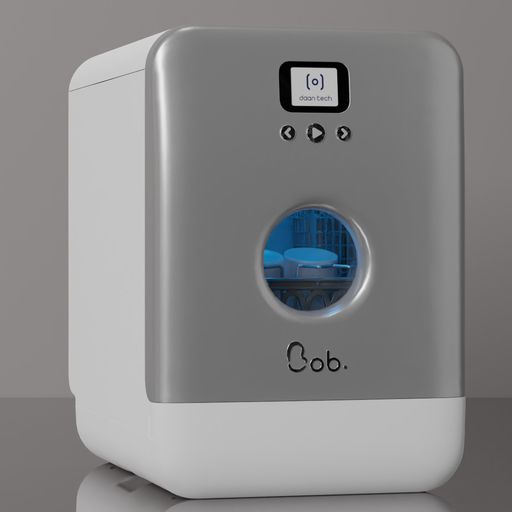 Image unavailable
Bob, mini dishwasher, 3 place settings, 34 cm, metallic grey and white
Consider its 3-place-setting capacity alongside the number of meals and loads you expect to wash. Check the space and connections it requires, then look at the standardised eco programme data to compare its energy use with that of other dishwashers.
View on Joybuy
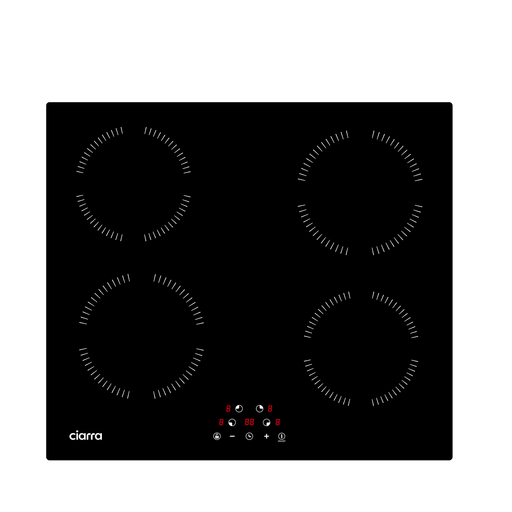 Image unavailable
CIARRA CABBIH4-A, built-in induction hob, 4 zones, 9 power levels
Consider its four zones in light of how many dishes you cook at once. Before choosing this built-in hob, check the cut-out dimensions, electrical installation and cookware compatibility. Hobs don’t carry energy labels.
View on Joybuy
Frequently asked questions
Which appliances should you look at first when fitting out a whole kitchen?
Start by working out your refrigeration and freezing needs, as these appliances run continuously, as ADEME points out. Then choose your dishwasher, hob and oven according to the washing cycles and cooking you genuinely expect to do.
What should you compare between two fridges or freezers?
Compare models that meet the same storage needs, then look at their energy rating, kWh/year, compartment volumes and noise levels together. These are the details the European Commission lists on the energy labels for the relevant refrigeration appliances.
How can you compare two dishwashers beyond their energy rating?
Match their place-setting capacity to how often you wash up, then compare kWh per 100 cycles, water use per cycle, eco programme duration and noise levels. The European Commission says these reference figures relate to the eco programme; they don’t automatically describe other programmes.
Do induction or ceramic hobs carry an energy label?
No. The European Commission says hobs don’t have energy labels. Instead, check the technology, compatible cookware, model specifications and any installation requirements in your kitchen.
What is the QR code on an energy label for?
For a labelled product, it takes you to information about that model in EPREL, the European Commission’s database. Make sure the model number shown matches the appliance you’re considering exactly, then use its standardised data to compare models in the same category.


