Households moving into an empty or partly equipped kitchen
Start by identifying what you need to store food, cook and clean. Then measure each space: there’s no point buying all your appliances at once if one of them can’t be installed.


Before choosing how to install your kitchen appliances, check what is already there, measure the available space and identify the connections. Freestanding appliances offer more flexibility for a temporary setup, while integrated models require compatible cabinets and dimensions. A compact appliance can be a good solution when space is limited, provided its features and installation suit the way you use it.
The right combination of appliances depends as much on your kitchen as on how long you plan to live there.
Start by identifying what you need to store food, cook and clean. Then measure each space: there’s no point buying all your appliances at once if one of them can’t be installed.
Check which appliances are already there before you buy, and make sure they’re listed in the check-in inventory. The French National Consumer Institute notes that this document lists the property’s fixtures and equipment. If the layout may change, consider whether you’ll be able to remove and move your appliances.
A portable hob or combination appliance can save you from needing several separate spaces, but size alone shouldn’t determine your choice. Check how much room you’ll need to use it, what features it offers and, if it’s integrated, the dimensions of the available space.
First decide which functions you’re missing, then see how each installation type will work with your actual kitchen layout.
Consider this : if the setup is temporary or your cabinets aren’t designed to accommodate integrated appliances.
The trade-off : the appliance won’t necessarily sit behind a door that matches your cabinets.
Consider this : if your cabinets and appliance spaces are already in place and you want your appliances built in.
The trade-off : installation depends on the dimensions and fixings, and may require a compatible cabinet door.
Consider this : if space is limited and the functions combined in one appliance suit the way you’ll use it.
The trade-off : check the usable capacity and features of the model rather than assuming a compact appliance will meet all your needs.
| Priority | What to check | Your needs |
|---|---|---|
| Essential functions | Take stock of the appliances already there. Work out what you need to store food, cook and clean; not every household needs a dishwasher. | “I want to be able to use my kitchen as soon as I move in, without buying an appliance that duplicates something I already have.” |
| Space and cabinets | Measure the space and the delivery route. For an integrated appliance, check the dimensions of the space, the installation plan and any cabinet door against the exact model. | “My kitchen is narrow” or “I want to be able to take my appliances with me when I move again”: these situations call for different installation choices. |
| Connections and ventilation | Locate the power supplies and, where needed, the water inlet and waste outlet. For a gas hob, check that the ventilation is suitable for the type of appliance; GRDF highlights the need for this. | “There’s a connection in the kitchen, but I still need to confirm that it’s suitable for my chosen appliance and installation.” |
| Energy use and noise | Compare label figures on a like-for-like basis. For dishwashers, ADEME gives energy consumption in kWh per 100 standard cycles and water consumption in litres per standard cycle. | “If my kitchen opens onto the living area, noise levels matter to me. If I use the appliance often, I also want to compare its stated energy and water use.” |
| Maintenance and repair | Look for information relevant to the appliance category and model. ADEME lists documentation, ease of disassembly and access to spare parts among the factors linked to repairability. | “I’d rather know how easy an appliance will be to maintain and repair if I’m relying on it every day.” |
| Delivery and installation | Check the route into the kitchen, the clearance needed and what’s included in your chosen delivery or installation service. | “The appliance needs not only to fit in its space, but also to be brought into the kitchen and set up under the conditions agreed.” |
Height, depth, the size of the space and the cabinet door fixings can all affect installation too. Bosch, for example, offers integrated dishwashers in different heights; a measurement for the range as a whole is no substitute for the installation plan for your chosen model.
Measure the available height, width and depth, check access to the connections and note the cabinet door specifications. Then compare them with the exact installation diagram.
GRDF states that a gas hob needs ventilation suitable for the type of appliance. A visible gas connection doesn’t, on its own, tell you whether this requirement is met.
Keep air inlets and outlets clear, and have the installation and ventilation checked for compatibility before the appliance is commissioned.
According to ADEME, the label includes energy use per 100 standard cycles and water use per standard cycle. These figures answer different questions.
Compare the corresponding figures across models, then consider capacity and noise levels in light of your household and where the appliance will go.
The information available varies by appliance category; an indicator shown for one model shouldn’t be assumed to apply to every appliance in your kitchen.
For each model you’re considering, look for the relevant indicator and practical details on documentation, disassembly and spare parts.
These range examples can help you work out what to check, but they don’t guarantee that a model will suit your kitchen or be included in the selection below.
A range worth exploring if you’re planning to install an integrated dishwasher.
A compact range to explore if your cabinets already include a space for a cooking appliance.
A brand to explore if your plans include several types of integrated appliance.
This Joybuy selection covers food storage, cooking and washing up, with freestanding fridges and dishwashers, a portable induction hob and an integrated hob. Start with the function you need, then check the space and installation requirements for each appliance.
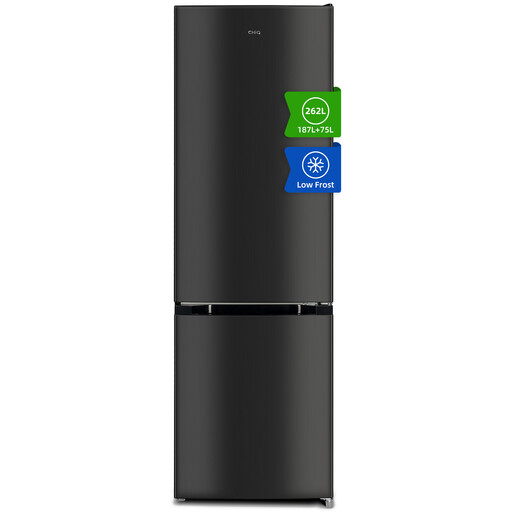 Image unavailable
For storing food in a kitchen where you’re planning to have a freestanding fridge freezer.
The model name indicates a width of 54 cm, a height of 176 cm and a Low Frost freezer. Check the depth, ventilation clearances and delivery access before deciding where to put it.
 Image unavailable
A portable cooking option to consider if you’re not planning to install a built-in hob.
The model name lists eight power levels and suitable cookware measuring 12 to 26 cm. Check that your pans are compatible, that you have enough space to use the hob and that you can meet the electrical connection requirements.
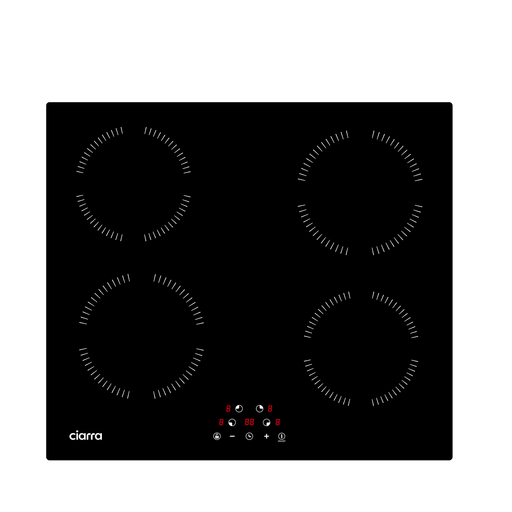 Image unavailable
Worth considering if your kitchen has a worktop designed for an integrated hob.
The model name indicates four zones and nine power levels. Check the cut-out dimensions and the cabinet ventilation instructions against your kitchen, and have the electrical connection checked for compatibility before installation.
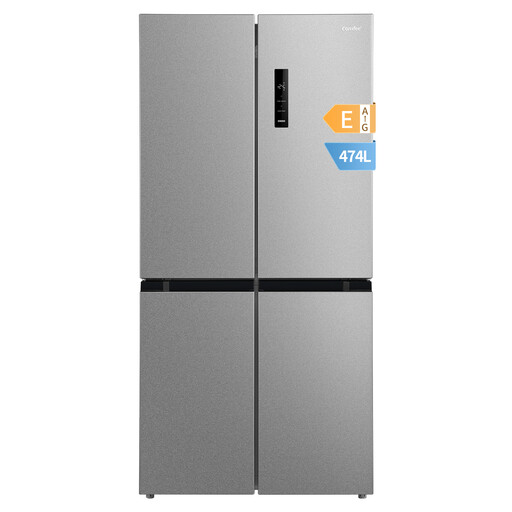 Image unavailable
Consider this storage capacity if it suits your household’s needs and your kitchen can accommodate a fridge of this size.
The model name indicates an energy rating of E. Measure the space and delivery route, then check the installation clearances and noise level for the model before you decide.
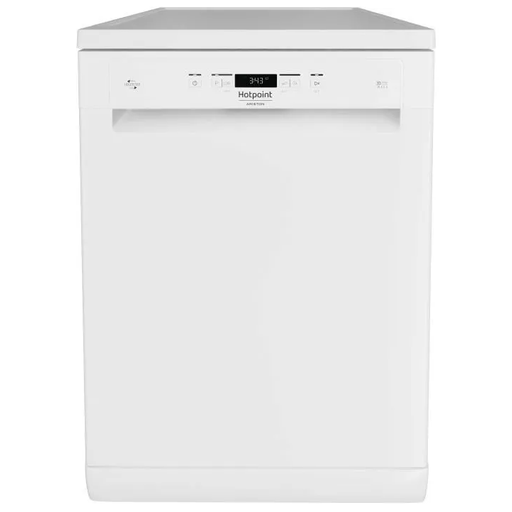 Image unavailable
Consider this if a dishwasher suits your household’s needs and you have a space with a water inlet and waste outlet.
The model name indicates a width of 60 cm, a noise level of 41 dB and an energy rating of C. If you’re thinking of fitting it under a worktop, check the dimensions and installation instructions for the exact model.
Start with the functions you’re missing: storing food, cooking and cleaning. Take stock of the appliances already there before deciding whether a dishwasher or an extra appliance meets a genuine need.
Measure the space in height, width and depth, then check the installation plan for the exact model, the connections and any cabinet door. Also make sure there’s enough room to get the appliance into the kitchen.
No. GRDF states that ventilation must be suitable for the type of gas appliance being used. Don’t block air vents, and have the installation and ventilation checked for compatibility before the appliance is commissioned.
First, check the appliances listed in the inventory and the connections available. If gas or electrical safety reports apply to your rented home, check the documents supplied by your landlord. They provide information about the existing installation, but don’t confirm by themselves that a new appliance can be connected to it.
Compare both models on the same basis. According to ADEME, the label shows energy use in kWh per 100 standard cycles and water use in litres per standard cycle. Also consider capacity and noise levels in light of how you plan to use the appliance.