Anyone moving into a kitchen with few appliances
Take stock of the appliances already there and check their condition before filling any gaps in food storage, cooking and washing up.


First, check which appliances are already there and in working order. Then equip your kitchen to store food and prepare everyday meals. Add a dishwasher or a specialist appliance to suit your actual needs. A multifunction model is only worthwhile if you’ll use its features and it fits the space available.
Take stock of the appliances already there and check their condition before filling any gaps in food storage, cooking and washing up.
Measure the available space and focus on features you’ll use regularly. An appliance with several functions can still take up a lot of room if it doesn’t replace any equipment you need.
Compare the capacity and energy-use information for the appliances you’re considering. For second-hand or refurbished models, also check the condition and who the seller is.
Start with the functions missing from your home, then check each appliance against the space available and how often you’ll use it.
| Priority | What to check | What I need |
|---|---|---|
| Existing appliances | Make a list of the appliances, check that they work and note which needs they meet. Before replacing an appliance, see if it can still be used or repaired, as recommended by ADEME. | I’d rather complete my kitchen than buy another appliance that already meets my needs. |
| Food storage and cooking | Work out how much fridge and freezer space you need and what types of cooking you do. Check that any appliance you’re considering will genuinely suit those needs. | If my kitchen doesn’t yet have what I need to store food or prepare my usual meals, I’ll prioritise those functions over specialist appliances. |
| Space and installation | Measure the space and access routes; check the appliance’s dimensions, door opening and installation requirements. Depending on your kitchen, compare freestanding, integrated or worktop models. | In a small kitchen, I want to be able to install and use the appliance without blocking access to other equipment. |
| Energy and water use | Compare appliances in the same category using their energy labels. For a dishwasher, ADEME highlights the kWh per 100 cycles and litres of water per reference cycle; actual consumption also depends on how you use it. | I look beyond the energy class if the appliance will run often or continuously, and choose a capacity that suits my household. |
| Washing up and combined functions | Consider how much washing up you’ll have and how often you eat at home. For a multifunction appliance, check which modes you’ll actually use and how much space it takes up. | A dishwasher or several cooking modes could be useful, but I can wait until I know my routine in this home before adding them. |
| Care and second-hand purchases | Note the exact model and check the manuals, spare parts and repair options. For a second-hand or refurbished purchase, check the stated condition and the seller’s status. | I want to be able to maintain the appliance and know who to contact if a second-hand purchase has a fault. |
Some appliances may duplicate what’s already in the property or rarely get used. ADEME recommends buying only appliances that meet a genuine need.
Try out the appliances already there and fill any gaps. Once you’ve settled in, reassess your washing-up and specialist food-preparation needs.
Capacity and usage matter too. For a dishwasher, the energy label distinguishes, among other things, electricity use per 100 cycles from water use per reference cycle, according to ADEME.
Compare these figures for appliances in the same category and choose a capacity that suits your household.
France’s Ministry of the Economy defines a refurbished item as a second-hand product whose functions have been tested and which has been repaired if necessary. The legal guarantee of conformity applies to sales from a business to an individual, including second-hand and refurbished goods, but not to sales between private individuals.
Before buying, ask for the exact model, a description of its condition and the seller’s details.
A fault doesn’t necessarily mean you need a replacement. In France, dishwashers are among the categories covered by the repairability index, according to the ministry responsible for ecological transition.
For the model in question, check the manuals, spare parts and repair options before deciding to replace it.
These brands give you options to compare for refrigeration, washing up and maintenance. Check the specifications and services for each individual model.
Worth considering if choosing between freestanding and integrated appliances will affect your kitchen layout.
A brand to consider if access to manuals and customer support is part of your decision.
Worth considering if repair options influence your choice of dishwasher or fridge.
A useful reference when checking spare parts and accessories for a dishwasher.
These Joybuy options cover food storage, cooking and washing up. Start by choosing the function you’re missing, then check the specifications of the model you’re considering.
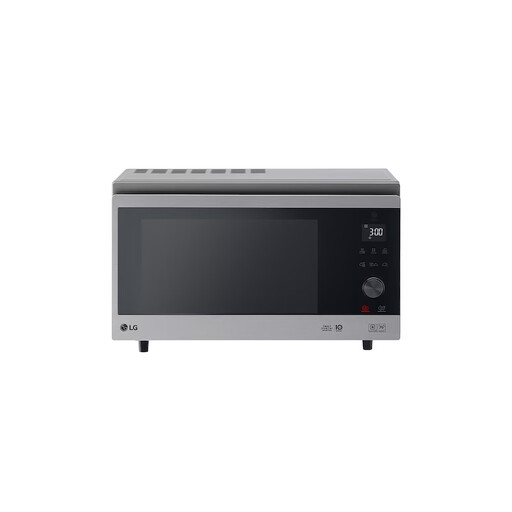 Image unavailable
A countertop option that combines different types of cooking in one appliance, if the settings suit the meals you usually make. It has a stated capacity of 39 L; check its dimensions and the clearance required before choosing a spot for it.
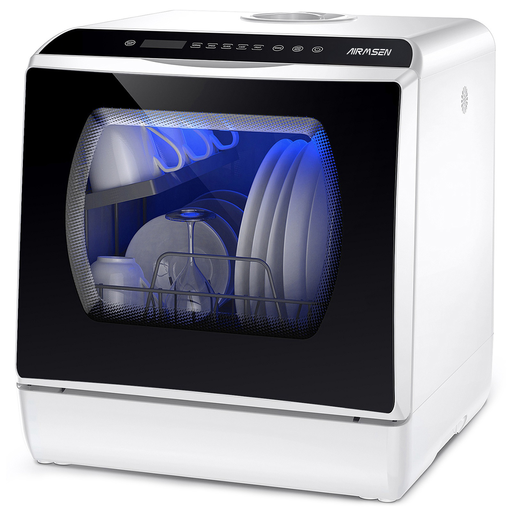 Image unavailable
Worth considering if you want to wash up with a countertop appliance. The product name specifies a built-in 5 L tank and ‘5+1’ cycles; check the loading capacity, the space it needs and the water drainage requirements.
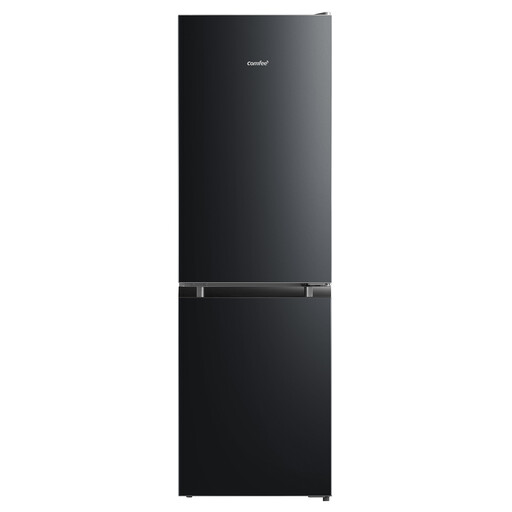 Image unavailable
If your kitchen doesn’t have a fridge, this freestanding model offers a stated total capacity of 174 L, Low Frost technology and a reversible door. Check the full dimensions, clearance requirements and whether the door can open the right way for your chosen spot.
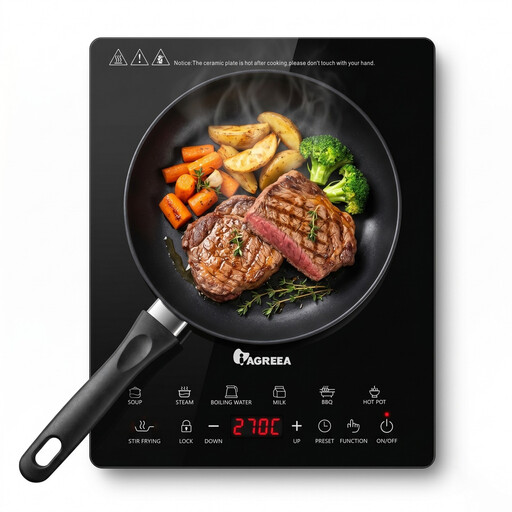 Image unavailable
An option to consider if there isn’t a usable hob in the kitchen. This model has a stated power of 2000 W and is compatible with cookware measuring 12 to 26 cm. Also check that your pans are suitable for induction and that you have enough space to use it.
 Image unavailable
Worth considering if you have enough washing up to justify a freestanding appliance and your kitchen has a suitable space for it. The model has a stated capacity of 14 place settings, a width of 60 cm, a noise level of 41 dB and energy class C. Check the connections and the other figures on the energy label to assess how it will suit your needs.
First, check the hob, oven or microwave and fridge. Under France’s decree of 31 July 2015, a furnished rental property must include these appliances, as well as a freezer or a compartment that reaches −6 °C or below. A dishwasher isn’t required.
Compare their energy labels on a like-for-like basis, including the kWh per 100 cycles and litres of water per reference cycle stated by ADEME. Also consider the capacity and how often you’ll use each appliance: the energy class alone doesn’t tell you what your actual consumption will be.
No. It only helps save space if its functions replace tasks you regularly do and it fits the space available. Compare its dimensions and cooking modes with the meals you actually prepare.
Yes, in France, if a business sells the refurbished item to an individual. The Ministry of the Economy explains that, in these circumstances, the guarantee also covers second-hand goods. It doesn’t apply to sales between private individuals, so check the seller’s status before buying.
For dishwashers covered by the scheme in France, check the repairability index, rated out of 10, as set out by the ministry responsible for ecological transition. Then check the manuals, spare parts and access to a repairer for the exact model: the rating doesn’t replace these checks.