Households moving into a partly equipped kitchen
Make a list of the appliances already there. If you’re renting, check your tenancy agreement and inventory before considering a replacement.


After moving, start by checking which appliances are already there. Then measure the available spaces and check the connections before deciding what to keep or buy. Freestanding appliances give you more flexibility if your kitchen furniture has no suitable housing; choose an integrated model when the housing, ventilation and fixings are suitable for it. Then compare capacity, energy labels and noise levels across the appliances that will fit your kitchen.
The appliances you need to buy depend as much on what’s already in the kitchen as on the space available for each one.
Make a list of the appliances already there. If you’re renting, check your tenancy agreement and inventory before considering a replacement.
Measure the space, check how the doors open and make sure you can access the connections. For an integrated appliance, also check that the housing, door panel and ventilation meet the requirements in its manual.
Once you’ve identified compatible models, compare their energy and noise figures. For relevant appliance categories, repairability information can also help you decide.
First, shortlist appliances based on the space and connections available in your new kitchen. Then compare the features that matter for your everyday meals.
| Priority | What to check | What you need |
|---|---|---|
| Space and clearance | Measure the available width, height and depth, then check how far the doors open and whether you can access the appliance. Compare these measurements with the dimensions and clearance requirements for each model. | I want to be able to use the appliance once it’s installed, without blocking a walkway or a cupboard door. |
| Freestanding or integrated | For an integrated model, check the housing, ventilation, door panel and fixings against the manual. Bosch explains that an integrated fridge is designed for a suitable housing: putting a freestanding appliance in a housing doesn’t make it an integrated model. | If my kitchen furniture is designed for an integrated appliance, I can look for a compatible model. Otherwise, a freestanding appliance means I don’t have to choose based on the appearance of the housing alone. |
| Connections | Check that the electrical circuit and protection are suitable for the appliance. For a dishwasher, also check the water supply and waste connections: Promotelec specifies that it must be plugged into a dedicated circuit. If you’re using natural gas for cooking, have the installation and room ventilation checked in line with the applicable requirements outlined by GRDF/Cegibat. | Before choosing a dishwasher or hob, I want to know whether it can be installed in this home. |
| Capacity and how you’ll use it | Compare fridge and freezer compartment volumes, the number of place settings a dishwasher holds, or cooking functions, depending on how you’ll use the appliance. Then make sure the size you choose will actually fit the space. | The space I need for food, dishes or meals matters more than a large capacity my household won’t use. |
| Energy use and noise | Compare like-for-like figures on the label for the exact model. For dishwashers, ADEME gives energy use in kWh per 100 standard cycles and water use in litres per cycle. Check the noise figures too. | In an open-plan kitchen or one I use often, I want to consider noise and energy use, not just the energy rating. |
| Appliances already in the kitchen | Check their condition, whether they’re suitable for your new kitchen and what maintenance they may need before replacing them. If your rented property comes with appliances, check the tenancy agreement and inventory to clarify the status of any appliance already there. | An appliance that works and fits the space can stay in the kitchen. If there’s a problem with it, I want to clarify its status before buying another one. |
The housing doesn’t guarantee the right dimensions or compatibility with the door panel, hinges and ventilation. Bosch distinguishes between integrated and freestanding fridges.
Measure the housing and check it against the installation manual for the model you’re considering. If it isn’t suitable, look for a suitable space for a freestanding appliance rather than trying to force an integrated fit.
Modifying the furniture, door panel or fixings can add extra work to the project.
A standard socket or extension lead isn’t a substitute for the dedicated connection required for a hob. Promotelec states that a hob needs its own circuit and protective device.
Identify the connection and its protective device in the fuse box, then have a professional confirm they’re compatible with the appliance before you buy it or make any changes.
Two models of the same size can differ in capacity, energy and water use, or noise levels. A width of 45 cm doesn’t mean you can do without the necessary connections.
Compare the specifications of models that fit the space, then check the water supply, waste connection and dedicated circuit specified by Promotelec.
Its condition, whether it can be repaired and its status in a rented home could all affect your decision. ADEME notes, for example, that repairability information is available for dishwashers.
Check the appliance’s condition and repair options. If you’re renting, also check the tenancy agreement and inventory, then clarify the status of the appliance with your landlord before removing it.
These ranges offer options to compare by installation type. Only the specifications for the exact model will tell you whether it’s right for your kitchen.
The brand offers both freestanding fridges and models designed to fit into kitchen furniture.
The French range includes freestanding dishwashers in 45 cm and 60 cm sizes.
The brand offers fully integrated dishwashers in 45 cm and 60 cm sizes.
The brand offers integrated and freestanding fridges, as well as a spare parts shop.
These options include three freestanding fridge-freezers and one built-in oven. Before choosing, check that they’ll fit in your kitchen, meet the installation requirements and offer the capacity you need.
 Image unavailable
This freestanding model could suit your kitchen if you have space for an appliance 54 cm wide. Its name indicates a height of 176 cm, a 70/30 split and Low Frost technology. Check the door swing and the clearances specified in the manual too.
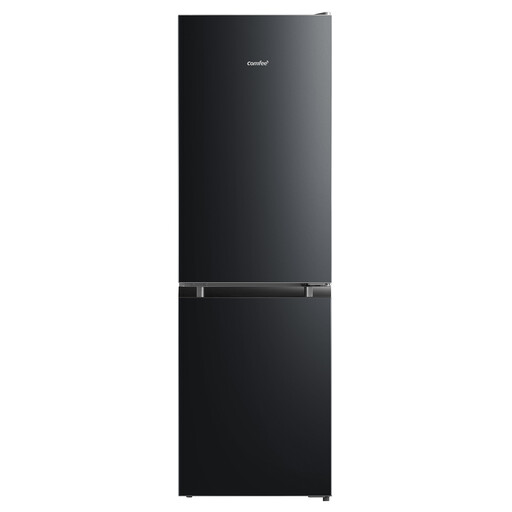 Image unavailable
This freestanding model combines a fridge and freezer in one appliance. Its name indicates Low Frost, an adjustable thermostat, LED lighting and a reversible door. Measure the space and check the manual for the required clearances.
 Image unavailable
This freestanding model is worth comparing if you’re looking for a 360 L capacity and have enough space for it. Its name mentions Total No Frost, an E energy rating, Wi-Fi and My Zone. Check its dimensions, clearances and energy label before deciding.
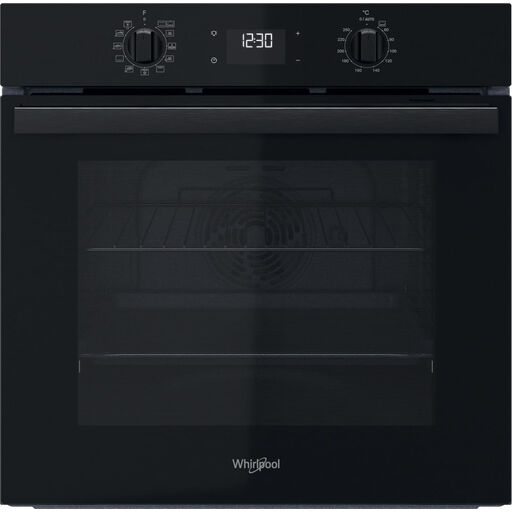 Image unavailable
This oven is designed for a kitchen with a housing that can accommodate a built-in model. Its name indicates multifunction cooking, catalytic cleaning and an A+ energy rating. Have the housing dimensions, ventilation and electrical connection checked before installation.
Measure the available width, height and depth, as well as the space needed to open the door. For an integrated or built-in model, also check the housing, ventilation, door panel and hinges against its installation manual. Bosch highlights that these requirements depend on the type of installation.
Don’t assume it is: Promotelec states that a hob needs its own circuit and protective device. Its guidance specifies a 32 A cable outlet with 6 mm² wiring and a 32 A circuit breaker for the hob. Have your home’s electrical installation and the model’s requirements checked before buying it or changing the connection.
You’ll need a suitable space, a water supply, a waste connection and an appropriate electrical connection. Promotelec specifies that the dishwasher must be plugged into a dedicated circuit. Check the socket position and the appliance manual before choosing a 45 cm or 60 cm model.
First, check your tenancy agreement, the inventory and the appliance’s status, then speak to your landlord before removing or replacing it. ADIL de la Moselle notes that appliances listed in the tenancy agreement must be provided in good working and repairable condition. What to do if there’s a problem depends in particular on the appliance and the circumstances.
No. Have the existing gas installation, room ventilation and the model’s requirements checked before choosing an appliance. GRDF/Cegibat notes that combustion products from the relevant natural gas cooking appliances are removed through the room’s ventilation. So don’t base your choice on the available space alone.