Households replacing an older fridge or freezer
Your fridge, fridge-freezer or freezer runs all the time. You want to look at its energy use without choosing more storage space than you need.


Start by looking at the appliance that runs continuously or is used most often in your home, rather than automatically replacing the oldest one. To assess whether replacing a fridge, freezer or dishwasher could be worthwhile, compare models with the same function and a capacity that suits your needs. For cooking appliances, also consider how often you use them and which settings you choose. The ADEME benchmarks alone cannot predict how much energy you will use after replacing an appliance.
Your fridge, fridge-freezer or freezer runs all the time. You want to look at its energy use without choosing more storage space than you need.
You need enough room for food or crockery, while making sure the appliance’s dimensions and features suit your kitchen and the way you use it.
You often use a dishwasher, oven or hob. The stated energy use matters, but so do capacity, programme duration and any installation requirements specific to the appliance.
When replacing an old or energy-hungry kitchen appliance, start with how your household actually uses it, then compare models that do the same job. ADEME distinguishes between appliances that run continuously, such as fridges and freezers, and those whose energy use depends on their cycles or how often they are used.
| What matters | What to check | Who this matters to |
|---|---|---|
| An appliance that runs continuously | Compare annual kWh figures for appliances with the same function, then check the capacity of their compartments. | If my fridge or freezer runs day and night, I want to look at its energy use before choosing a replacement. Around 33% of consumers prioritise this need. |
| Capacity and installation | Check the volume or number of place settings you need, as well as the dimensions and installation type. | When space is limited or my needs vary, I’m looking for a suitable capacity without making installation more complicated. This is the top priority for around 27% of consumers. |
| Dishwasher cycles | Check the kWh per 100 reference cycles and the capacity, then look at water use per cycle and the duration of the Eco programme. | I use my dishwasher often and want to understand what its reference cycle means for the way I use it. Around 20% of consumers put washing cycles first. |
| Cooking method | For an oven, check its energy label. For a hob, check the technology, installation and compatible cookware. | If I cook frequently, the cooking method and how well it suits my kitchen guide my choice of replacement. This is a priority for around 20% of consumers. |
A freestanding fridge, a fridge-freezer and a freezer do different jobs. For a dishwasher, the stated energy use is based on reference cycles, so the energy class alone won’t tell you how much energy your usual programmes use.
First compare the function and capacity, then look at the kWh figures for appliances in the same category and under relevant reference conditions.
According to ADEME, a larger size and certain extra features can increase energy use. Unused capacity doesn’t meet a storage need.
Work out how much room you really need in each compartment and check the space available before comparing models.
ADEME’s energy-use benchmarks are based on appliances and usage periods taken as reference points. Your current appliance and habits may be different.
To assess a replacement, compare the energy use of your current appliance with that of a similar model, taking your actual usage into account.
The European Commission distinguishes between domestic ovens, which are covered by energy labelling, and hobs, for which no such label is required.
For a hob, check the technology, connection, installation and cookware compatibility rather than looking for an energy class letter.
These ranges offer formats to consider depending on the appliance you’re replacing. Always check the energy use and installation requirements for the specific model.
Worth considering for fridges, fridge-freezers and freezers, particularly if you’re deciding between a freestanding and an integrated model.
Worth considering if you’re comparing fridges and freezers, dishwashers, ovens or hobs across one catalogue.
Worth considering for fridge-freezers when the format and how well it fits into your kitchen are especially important.
These models give you two replacement options to explore: a dishwasher suited to your usual loads, or a fridge-freezer with enough capacity for your household. For dishwashing, compare the capacity with the reference-cycle data. For refrigeration, compare models with similar capacities and check the annual energy use on the label.
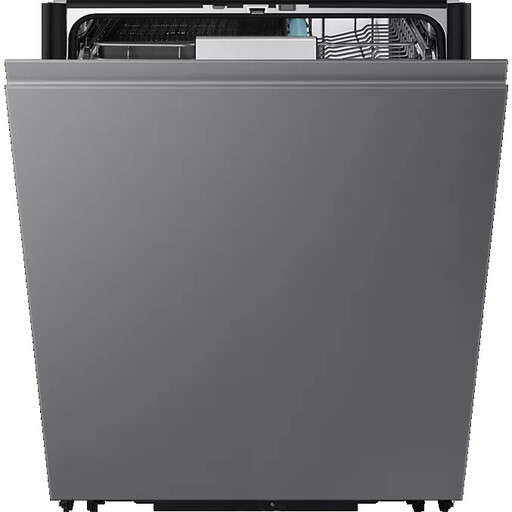 Image unavailable
Worth considering if you’re looking for an integrated dishwasher that can handle loads of up to 14 place settings.
The model name indicates a width of 60 cm and an A energy class. Check the energy consumption figures on its energy label and the exact duration of the Eco programme before comparing cycles.
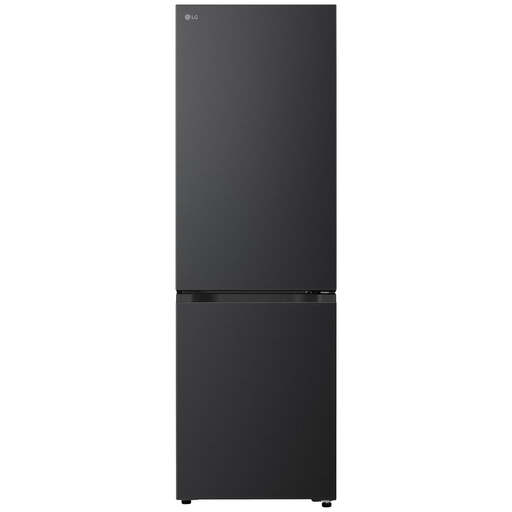 Image unavailable
Worth considering if you need a fridge and freezer compartment in one 333 L appliance.
The model name indicates a C energy class. Before choosing it, compare the compartment capacities and the annual energy use on the label for the exact model, then check the dimensions and required ventilation space.
 Image unavailable
Worth considering if your fresh and frozen food storage needs call for a 495 L multi-door appliance.
The model name indicates an E energy class. Make sure this capacity suits your needs and the space available; also check the annual energy use on the label for the exact model.
 Image unavailable
Worth considering if you’re looking for a total capacity of 444 L for fresh and frozen food.
The model name indicates an E energy class. Check the annual energy use on its label and the dimensions required for installation before choosing this capacity.
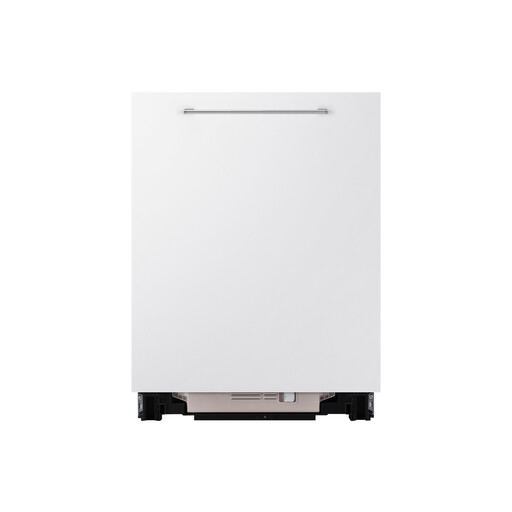 Image unavailable
Worth considering if a capacity of 13 place settings suits your loads and you’re planning an integrated installation.
The model name indicates a width of 60 cm and a B energy class. Check the kWh per 100 reference cycles, water use per cycle and whether the niche and door are compatible before comparing this dishwasher with another model.
The energy class alone isn’t enough to compare appliances that do different jobs. For fridges and freezers, look at the annual kWh figures alongside the compartment capacities. For a dishwasher, compare the kWh per 100 reference cycles with its capacity and Eco programme details, as recommended by ADEME and the European Commission.
An average can’t predict your individual results. ADEME’s benchmarks are based on appliances and usage patterns taken as reference points. Before assessing the difference, check the energy use of your old appliance and the model you’re considering, as well as your own habits.
No. According to the European Commission, hobs aren’t subject to energy labelling requirements, unlike the domestic ovens that are covered. When choosing a hob, check its installation requirements and technology, and whether your cookware is compatible.
Yes. It’s worth checking alongside energy use and capacity. ADEME says dishwashers are among the appliances covered by the repairability index. Check the index for the model and look into repair and after-sales service options, but don’t use this to infer how much energy the appliance will use.