Households that cook in pans
If your meals involve boiling, simmering or searing, start by comparing the number and diameter of the hob’s cooking zones. For an induction hob, also check that your cookware is compatible.


Start by choosing an appliance to suit the meals you usually cook: a hob for cooking in pans, an oven for bakes and batch cooking, and a microwave mainly for reheating and defrosting. If you’re considering an induction hob, check that your cookware is compatible. For any built-in model, compare the instructions with your kitchen’s dimensions and power supply. Then compare energy-use figures that are relevant to each appliance’s intended use, rather than assuming that maximum power tells you how much electricity it uses to cook a meal.
If your meals involve boiling, simmering or searing, start by comparing the number and diameter of the hob’s cooking zones. For an induction hob, also check that your cookware is compatible.
For bakes, pastries, roasts and batch cooking, check that the oven cavity can accommodate the dishes you usually use. Usable capacity, built-in dimensions and energy consumption per cycle can then help you compare similar ovens.
A microwave is well suited to these tasks and can complement a hob or oven. Compare capacity and overall size, and choose between a freestanding or built-in model to suit the space you have available.
When choosing appliances for a kitchen you use every day, start with the types of cooking you do most often. Next, check whether your chosen appliance will fit in your space, then compare its energy figures on a basis that makes sense for how it’s used.
| Criterion | What to check | Who is it for? |
|---|---|---|
| Cooking on the hob | Number and diameter of the cooking zones; cookware compatibility if you choose induction. | When I cook with several pans at once, I need zones that suit my cookware; around 29% of consumers prioritise cooking on the hob. |
| Oven cooking | Usable capacity and built-in dimensions; energy consumption per cycle for comparable ovens and cooking modes. | For bakes and batch cooking, I need a cavity that fits the dishes I usually use; around 21% of consumers put oven cooking first. |
| Reheating and defrosting | Microwave capacity and the choice between a freestanding or built-in model. | If I mainly reheat portions and want to be able to move the appliance, flexibility over where it can go matters; a microwave meets the main need of around 21% of consumers. |
| Space and installation | Dimensions of the cabinet space or cut-out; power supply and instructions for the exact model. | In a fitted kitchen, I need to know whether my chosen appliance will fit; installation compatibility comes first for around 29% of consumers. |
Power in watts is useful for checking electrical requirements, among other things, but on its own it doesn’t tell you how much energy an appliance uses during cooking.
For ovens, compare usable capacity and energy consumption per cycle for similar cooking modes. For comparable hobs, look for the same energy-use measurement and take into account how often you use them.
Two appliances with a similar width may need different cut-outs or cabinet spaces. Their power requirements and the clearances specified in their instructions may also vary.
Measure the cabinet space or cut-out in all three dimensions, then check the installation diagram for the exact model. Before buying, get confirmation of any necessary modifications or electrical connections.
An unsuitable cut-out may mean modifying the unit or paying for additional installation work.
Reheating a portion and regularly cooking roasts or batches of food call for different features and cavity sizes. A grill or combination mode depends on the specific model.
Make a list of the meals you cook each week: consider an oven first for bakes, pastries and roasts, or a microwave if reheating and defrosting are your main priorities.
Cooking-zone diameters, power-boost functions, grills and usable capacity vary from one model to another.
Check the full model number, product specifications and instructions rather than relying on the range name alone.
The range includes ceramic and induction hobs, as well as compact built-in appliances that combine a microwave and grill.
The range of built-in ovens and induction hobs lets you consider your oven and hob cooking needs separately.
The range includes freestanding and built-in microwaves, as well as induction hobs, so you can compare capacity and installation options.
These models are suited to two different needs: reheating or defrosting with a freestanding microwave, and cooking in pans on an induction hob. Choose according to the meals you make, then check the available space and installation requirements for your chosen model.
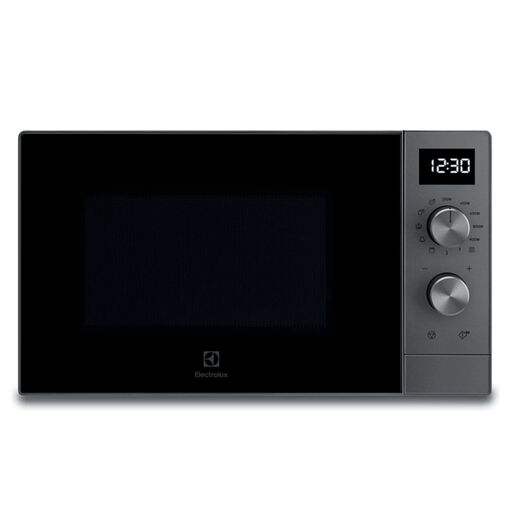 Image unavailable
Worth considering if reheating and defrosting are your main priorities and you’d like a freestanding appliance with a grill.
Stated capacity of 25 L and stated microwave power of 900 W. Check the instructions for the clearance needed around the appliance and its power requirements before deciding where to put it.
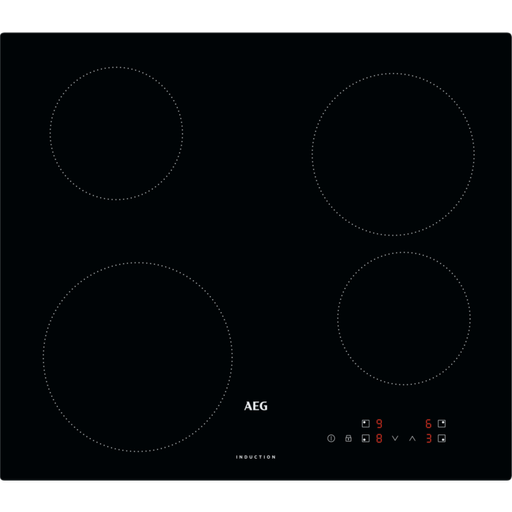 Image unavailable
Worth considering for cooking in pans if you have cookware that’s compatible with induction.
Stated width of 59 cm. The two-phase (Perilex) specification alone doesn’t confirm compatibility with your installation: compare the model’s instructions with your existing cut-out and power supply, and get confirmation of the required connection.
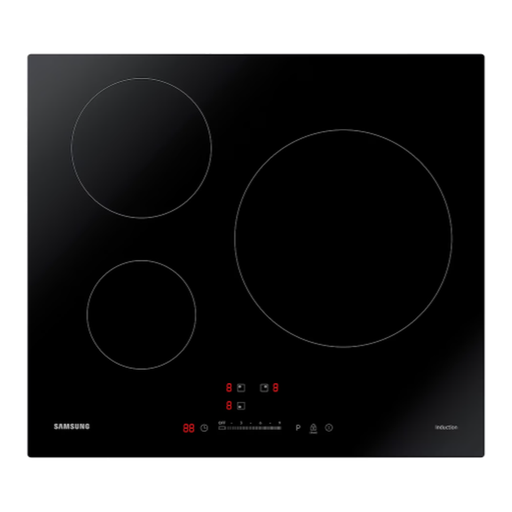 Image unavailable
Worth considering for hob cooking with compatible ferromagnetic cookware.
Three zones and a stated total power of 7 200 W. This power rating doesn’t measure the energy used to cook a meal; check the instructions for the cut-out, power supply and ventilation requirements for your kitchen.
Compare their usable capacity and energy consumption per cycle for equivalent cooking modes, rather than looking only at their power in watts. The European Commission says that oven energy labels and the EPREL database provide information specific to each model.
Yes. An induction hob needs compatible cookware. Also check that your pans are the right size for the zones on the model you choose; features such as pan detection or large-diameter zones aren’t available on every hob.
Measure the existing cabinet space or cut-out in all three dimensions, then compare the measurements with the installation diagram for the exact model. Also check the clearances specified in the instructions and get confirmation that your home’s power supply is suitable for the appliance.