
Livraison le jour même ou le lendemain

Qualité garantie

Débloquez vos offres de bienvenue: Livraison GRATUITE | Jusqu'à -80 % | 30 jours d'essai gratuits à JoyPlus
Téléchargez l'application
Korean cuisine has carved out a special place in the hearts and on the plates of people in the UK, thanks to its unique flavours—spicy, tangy, and comforting all at once. At the centre of this craze is kimchi, the iconic fermented cabbage. With a growing selection of frozen Korean dishes on the market, it can be hard to navigate the options and find a product that balances authentic taste with easy preparation.
As a Product Recommendation Manager at Joybuy, my role is to help you navigate this market. Moving beyond marketing jargon, this guide focuses on objective criteria to help you make an informed choice for your next easy Korean meals at home.
To select quality products that meet your expectations, a few key points can make all the difference.
Transparency is a sign of quality. A clear and concise ingredient list is often a good indicator. For a kimchi dish, check the proportion of kimchi: a high percentage (often around 30% for a soup) suggests a more pronounced and authentic flavour. Also, pay attention to allergens, which should be clearly listed in accordance with UK regulations. If you follow a specific diet, look for terms like "vegan kimchi," which guarantees the product is free from animal-derived ingredients (like fish sauce, which is sometimes used in traditional recipes).
Kimchi can range from mildly zesty to very spicy. Manufacturers don't always indicate this on a standardised scale. Look for clues in the product description or ingredients. The mention of "Buldak" or the presence of specific chillies like habanero are clear signs of a very spicy dish. If you're new to this, it might be wise to start with products that don't mention excessive heat.
One of the main advantages of frozen kimchi dishes is their convenience. Check the cooking instructions: can they be pan-fried, steamed, or microwaved? A product that offers multiple cooking methods will better fit your kitchen setup and available time. Storage at -18°C ensures a long shelf life, allowing you to always have a delicious and easy Korean meal on hand.
Here is a selection of products that cater to different tastes and needs, all designed for simple preparation at home.
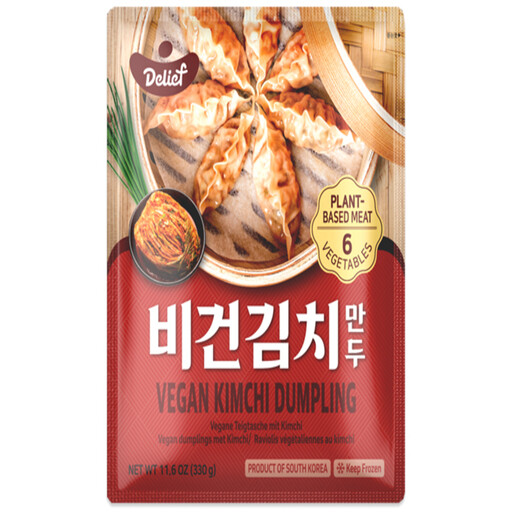
Why we recommend it These steamed Korean dumplings stand out for their entirely plant-based recipe. The generous filling combines vegan kimchi, tofu, glass noodles, and chives, offering a balanced texture and flavour. They are an excellent entry point for discovering kimchi dumplings without the extreme heat found in some other versions.
Pros
Who is this product for? Ideal for those on a vegan or vegetarian diet, as well as anyone new to Korean cuisine who prefers to start with less intense flavours.
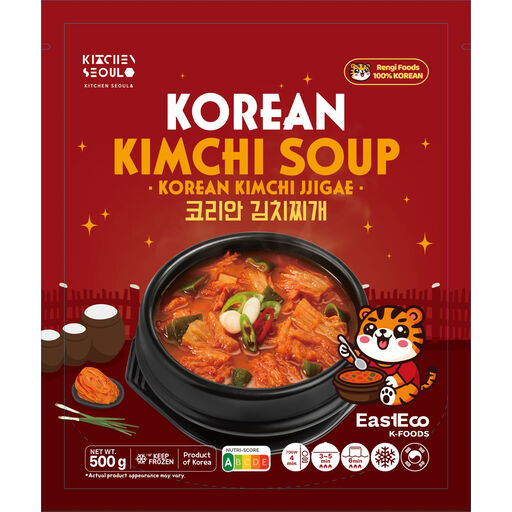
Why we recommend it This kimchi soup, or kimchi jjigae, is a comforting classic of Korean cuisine. With 30% fermented kimchi, it promises a deep, authentic flavour. It's a complete dish that just needs to be heated and served, traditionally with a bowl of white rice.
Pros
Who is this product for? Perfect for fans of traditional Korean flavours who are looking for a warm, comforting dish without spending hours in the kitchen.
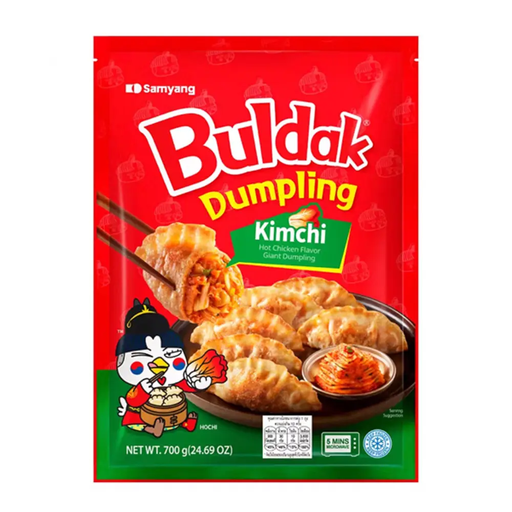
Why we recommend it The Samyang brand is famous for its intensely spicy products, and these kimchi dumplings are no exception. Combining the flavour of "Buldak" spicy chicken with kimchi, they are aimed at seasoned palates. The inclusion of habanero chilli powder guarantees a powerful, lingering heat.
Pros
Who is this product for? Clearly aimed at lovers of very spicy food and fans of Samyang's Buldak range who want to experience that iconic flavour in Korean dumplings.
Ready-made dishes are an excellent solution, but kimchi is, above all, a highly versatile ingredient. If you want to incorporate it into your own recipes, like kimchi pancakes (kimchijeon) or fried rice (kimchi bokkeumbap), feel free to explore a selection of [fermented vegetables](https://www.joybuy.fr/explore/legumes-fermentes/D6VGNTbq). There you'll find different varieties of kimchi to let your creativity flow.
The terms are often used interchangeably. "Dumpling" is the generic English term for a filled dough pocket. In Korea, they are called mandu. Therefore, kimchi ravioli and Korean kimchi dumplings refer to the same type of product: delicious filled dumplings.
Yes, freezing is a very effective preservation method that preserves flavours and textures well, especially for saucy dishes like kimchi soup or dumpling fillings. It also ensures food safety and a long shelf life, making it a reliable and convenient option.
To balance the spice and tanginess of kimchi, neutral side dishes are recommended. A bowl of white rice is the perfect partner. You can also serve your kimchi dishes with steamed vegetables, a simple omelette (gyeran-mari), or roasted seaweed (gim) for a complete Korean meal.