
Same-day & Next-day Delivery

Quality Guaranteed

Unlock Your Welcome Offers: FREE Delivery | Up to 80% OFF | Free 30-day JoyPlus trial
Download the APP
Finding the perfect stainless steel lunch box for your child's back-to-school season can be a real headache. With so many promises of durability and appealing designs, it's hard to know where to start. As a section editor and product specialist, my mission is simple: to help you cut through the noise. Together, we'll break down the criteria that truly matter and identify the pitfalls to avoid, so you can make a smart, practical, and long-lasting choice.
The goal? To find that hidden gem: a lunch box your child will love to use, that won't turn their school bag into a disaster zone, and that will survive several school years. Let's skip the marketing jargon and get straight to the facts.
To avoid buyer's remorse a few weeks into the school year, it's best to be aware of the flaws that can turn a great idea into a daily hassle.
To make the right choice, ignore the marketing hype and focus on these three essential points. This is where the true quality of a school lunch box is determined.
Stainless steel is a favourite among parents, and for good reason. It's an inert material: it won't impart any taste to food and doesn't leach potentially harmful substances. It's the ideal alternative to plastic, ensuring a BPA-free snack box. Its sturdiness makes it a durable lunch box that can withstand daily bumps and drops. Finally, it's hygienic and very easy to clean.
The opening mechanism is the most critical point for a child.
The ideal capacity depends on the child's age and the intended use (a full meal or just a snack).
Rather than an endless list, here are models that meet specific needs, based on the criteria we've just discussed.
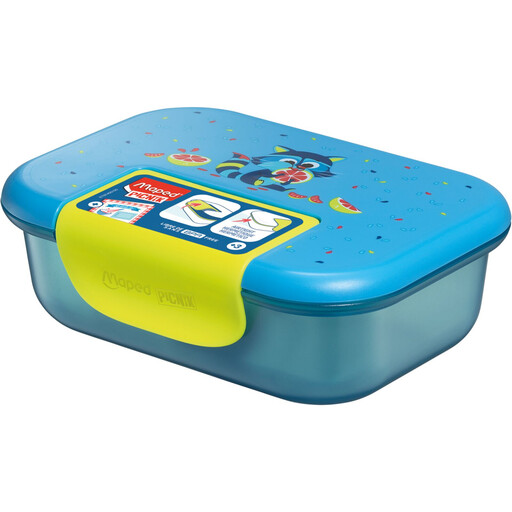
Why this model stands out: Perfect for kids who are becoming more independent in the lunchroom. Its design is made for them, without becoming a headache for parents.
Its large, easy-to-grip latch avoids the "impossible-to-open" trap. The attached lid eliminates the risk of it getting lost at school.
Designed for little hands to open and an attached lid that never gets lost. Robust all-stainless-steel construction.
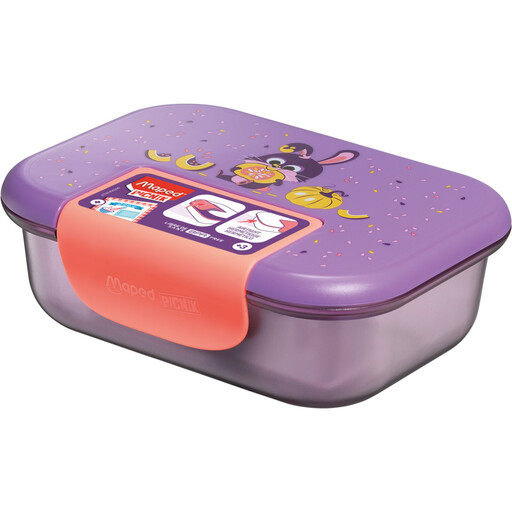
Why this model stands out: For older kids or those with a big appetite. Its generous 900 ml capacity allows you to pack a full, varied meal without having to play Tetris with the food.
Its 100% stainless steel container tackles the "deceptively durable" trap. This is an investment designed to last for much more than a single school year.
Generous 900 ml capacity for full meals. Healthy and durable material. Dishwasher-safe for easy cleaning.
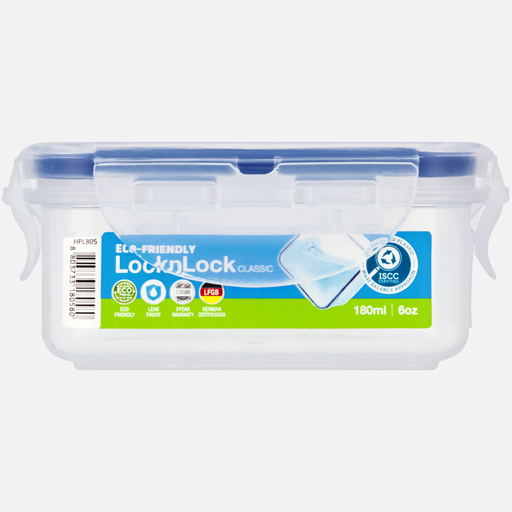
Why this model stands out: Essential for separating salad dressing, applesauce, cut fruit, or a small snack. It's the perfect companion to a larger lunch box to prevent everything from mixing together.
It shatters the "almost leak-proof" myth. Its 4-clip locking system with a silicone seal is the gold standard for preventing leaks. Zero risk of a disaster in the bag.
Completely leak-proof thanks to its patented locking system. Compact size (180 ml) and a healthy, BPA-free material.
We've put together a complete selection of products that meet our quality criteria and safety standards.
Most stainless steel containers are dishwasher-safe, which makes cleaning a breeze. For hand washing, warm, soapy water and a soft sponge are all you need. Dry it thoroughly before storing to prevent water spots. Don't forget to remove the silicone gasket from time to time for a deep clean.
No, absolutely not. Metal, including stainless steel, should never be placed in a microwave oven. You risk damaging the appliance and causing a fire. To heat up your child's meal, simply transfer the contents to a microwave-safe container (glass, ceramic, or compatible plastic).
For a preschooler (ages 3-5), a capacity of 500 to 750 ml is generally sufficient. For a primary school child (ages 6-10), whose appetite is growing, a capacity of 800 ml to 1 litre will be more suitable for holding a main course, a side, and a dessert.