
Livraison le jour même ou le lendemain

Qualité garantie

Débloquez vos offres de bienvenue: Livraison GRATUITE | Jusqu'à -80 % | 30 jours d'essai gratuits à JoyPlus
Téléchargez l'application
Finding a creative, fun, and educational activity to keep children busy can be a real challenge. A good kids' paint kit is often the perfect solution for channelling their energy while stimulating their imagination. But with the vast array of options available, it's easy to feel lost: which type of paint is best? Is the kit truly complete? Is it right for my child's age?
As the Head of Product Recommendations at Joybuy, I'm here to help you make sense of it all. This guide is designed to give you key insights and a selection of reliable products, free from marketing jargon. Let's review the essential criteria and discover some hidden gems that will delight your budding artists.
Before diving into our selection, here are the key points to refine your search and find the kit that checks all the boxes: for your child, and for you.
The number one criterion: age. You wouldn't offer the same materials to a 4-year-old as you would to a 12-year-old pre-teen.
Safety is non-negotiable. Make sure the paints are water-based and labelled as "non-toxic". These paints are typically odourless and wash off hands and most surfaces easily with soap and water—a real relief for parents. A complete kids' paint set, including brushes, surfaces, and paint pots, is also a huge bonus: just unbox, set up, and you're ready to go!
Are you looking for a quiet activity for a rainy afternoon, a decorative project, or something for a birthday party?
Here are a few gems that meet different needs and age groups, chosen for their relevant approach and quality content.
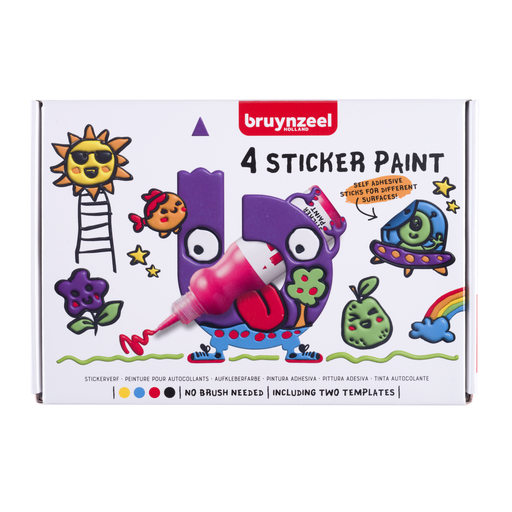
Why it stands out: This window paint kit makes painting clean, creative, and child's play. It allows kids to create repositionable stickers to decorate smooth surfaces like windows or mirrors. The paint is applied directly from the bottle's nozzle, which means no brushes are needed and significantly reduces the mess.
Advantages:
Who is it for? Ideal for young children (ages 4-5 and up with supervision) and parents looking for a fun craft activity without the cleanup chore. Perfect for creative afternoons or seasonal decorating.
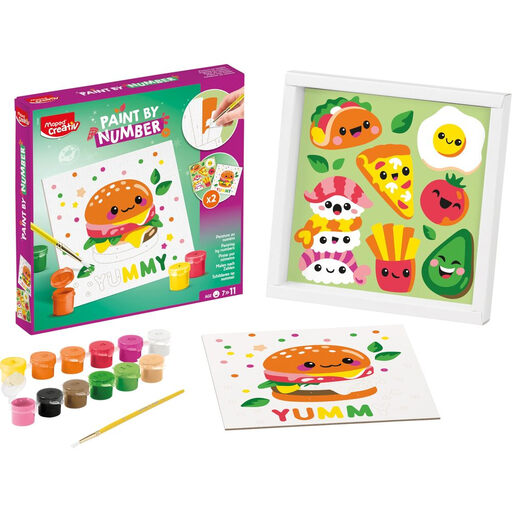
Why it stands out: This kids' paint-by-number kit makes art accessible and rewarding. By following the numbered areas, children can create two beautiful pictures with the popular "kawaii food" theme. A great result is guaranteed, making it ideal for boosting self-confidence.
Advantages:
Who is it for? Recommended for children ages 7 and up who enjoy structured activities and want a beautiful result to proudly frame in their room.
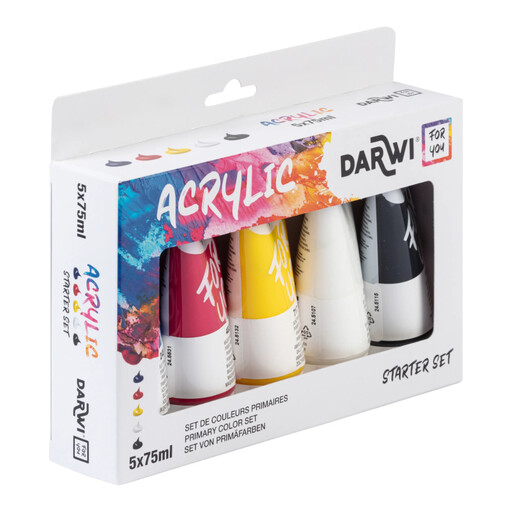
Why it stands out: This set is for budding artists who want more freedom. There's no guide here: just an excellent set of five tubes of acrylic paint for discerning beginners. The primary colours allow them to learn the basics of colour mixing to create their own palette.
Advantages:
Who is it for? For pre-teens and teenagers (ages 10 and up) or experienced kids who want to give free rein to their creativity. It's the ideal starting point for getting equipped like a pro.
Our selection focuses on very specific approaches to kids' painting. If you want to explore other worlds, from modelling to drawing, feel free to discover our entire range of creative hobbies.
1. At what age can a child start using a paint kit? There are options for almost every age. Finger painting, with supervision, can be introduced as early as 2-3 years old. Guided kits like window paint or paint-by-number are generally recommended for ages 4 to 7. Beginner's acrylic paint sets are better suited for children aged 10 and up, who already have good dexterity and a desire to create independently.
2. How do you clean up kids' paint stains? Most kids' kits use water-based paint, which makes cleanup much simpler. For hands and skin, warm water and soap are all you need. For clothes, the key is to act quickly before the stain dries by rinsing with cold water before putting the item in the washing machine. Pro tip: always use an apron and protect the table with newspaper or an old tablecloth.
3. Is paint-by-number a good activity for children? Absolutely, it's an activity with multiple benefits. It helps develop concentration, patience, and hand-eye coordination. The structured framework is reassuring for children who might doubt their artistic skills. Following the numbers to see a picture emerge is very rewarding and can serve as a springboard to more personal creations.