
Livraison le jour même ou le lendemain

Qualité garantie

Débloquez vos offres de bienvenue: Livraison GRATUITE | Jusqu'à -80 % | 30 jours d'essai gratuits à JoyPlus
Téléchargez l'application
Getting kids away from screens can sometimes feel like a puzzle. Kids' paint by numbers is a brilliant solution that's both fun and rewarding. By guiding a child step-by-step to create their own masterpiece, this activity develops their concentration, patience, and fine motor skills. Follow our guide to find the perfect kit that will provide hours of quiet, creative enjoyment.
To ensure the best experience, there are three key things to check before you buy.
Every paint by numbers kit is designed for a specific age range. For beginners around age 7, opt for a design with large painting areas, clear outlines, and fewer colours. This makes the craft activity for a 7-year-old more approachable and helps avoid frustration. More intricate designs with tiny sections and subtle gradients should be reserved for older or more experienced children.
A good kit is a complete, "ready-to-paint" kit. Make sure it includes all the essentials: a pre-printed canvas or board, numbered paint pots, and one or more appropriately sized brushes. For an easy kids' painting experience, water-based acrylic is ideal. It's odourless, requires no mixing, and cleans up easily with just water. A Maped painting set, for example, ticks all these boxes for a hassle-free experience.
The secret to getting a child to finish their artwork? A theme that speaks to them! Animals, superheroes, fantasy landscapes, or ultra-trendy themes like kawaii crafts are always a hit. By choosing a design that aligns with their passions, you'll multiply their motivation to finish the project and the pride they'll feel.
Our editors have reviewed several models to select only the best, suited for all ages and tastes.
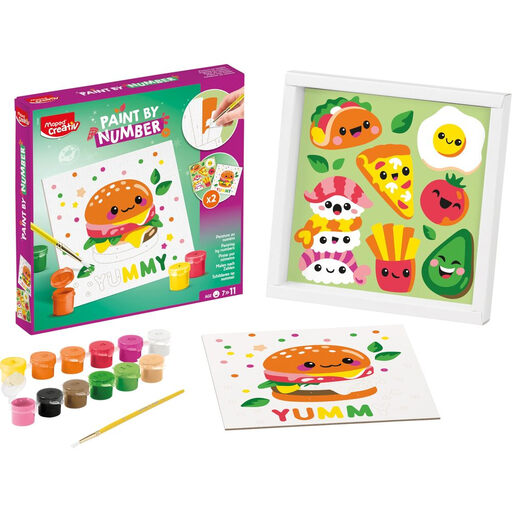
Why it stands out This Maped set is perfect for getting started with paint by numbers. Its ultra-popular kawaii craft theme is a guaranteed eye-catcher. Complete and well-designed, it ensures a flawless result, which is a huge source of pride for a child.
Highlights
Who is it for? Children aged 7 and up who are taking their first steps in painting. It's the ideal gift or the perfect craft activity for a 7-year-old for a quiet afternoon.
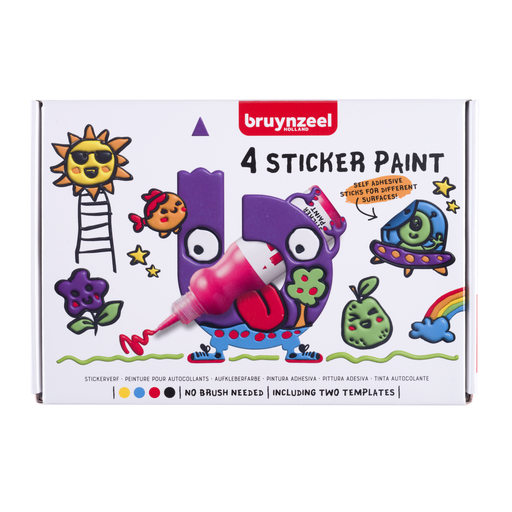
Why it stands out This set reinvents painting! Instead of a canvas, you create your own stickers to decorate windows, mirrors, and other smooth surfaces. Thanks to the applicator bottles, the activity is brush-free and mess-free.
Highlights
Who is it for? Creative minds who enjoy out-of-the-ordinary craft activities. A fun alternative to classic easy kids' painting, perfect for a rainy afternoon or for creating unique party decorations.
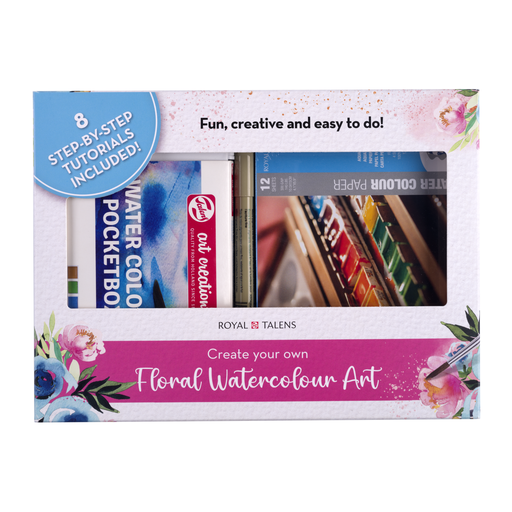
Why it stands out This set is a fantastic introduction to the delicate technique of watercolour. Much more than simple colouring, it offers a real learning journey with guided lessons. It's an excellent gateway to a more personal and creative artistic practice.
Highlights
Who is it for? Older children (10-12 years) or kids who are already passionate about drawing and ready to explore a new technique beyond paint by numbers.
The world of creative hobbies is endless. While the little artists are immersed in their masterpieces, why not take a look at our latest finds?
For example, discover our selection of royal blue sleeveless tops, perfect for putting together a chic and casual summer outfit.
The ideal age to start is around 7 years old. At this stage, children generally have the dexterity and concentration required to follow the numbers and handle a brush with some ease. For younger children, simplified kits with very large areas to colour are available.
Yes, safety is a priority. Kits sold in the UK and Europe adhere to very strict standards. Most sets, like those from Maped, contain water-based, non-toxic, and odourless acrylic paint. Of course, the activity should always be supervised by an adult. Also, be sure to check warnings about small parts, which are not suitable for children under 3 years old.
The secret is to act fast! While the acrylic paint is still wet, a little soap and water are all you need to remove it from skin or smooth surfaces. On clothing, rinse the stain immediately with cold water. Once it's dry, it unfortunately becomes permanent on fabric. The best advice is therefore to protect clothing with an apron and the table with a tablecloth or newspaper before you begin.