
Same-day & Next-day Delivery

Quality Guaranteed

Unlock Your Welcome Offers: FREE Delivery | Up to 80% OFF | Free 30-day JoyPlus trial
Download the APP
Finding the right kids' lunch box for back-to-school or field trips can quickly become a headache. Between the lofty promises on the packaging and the reality of daily use, there's a high risk of ending up with a model that will gather dust in the back of a cupboard. To avoid this pitfall, let's review the most common traps that turn a good idea into a purchase you'll regret.
On the playground, three disappointments come up time and time again:
Choosing the right kids' meal box, then, isn't just about design. It's primarily about finding the perfect balance between safety, practicality for the child, and ease of cleaning for parents.
To make the right choice, focus on a few technical details that make all the difference. These criteria will help you find the model that truly meets your child's needs, whether it's for a kindergarten snack box or lunch at primary school.
The choice of material is crucial. It determines not only the durability of the box but, most importantly, food safety.
A box your child can't open on their own is a useless box. The closing system is therefore a critical point to watch.
The size and internal layout must be suited to its use.
Rather than an endless list, here are a few models that meet specific needs, always keeping our criteria of practicality and safety in mind.
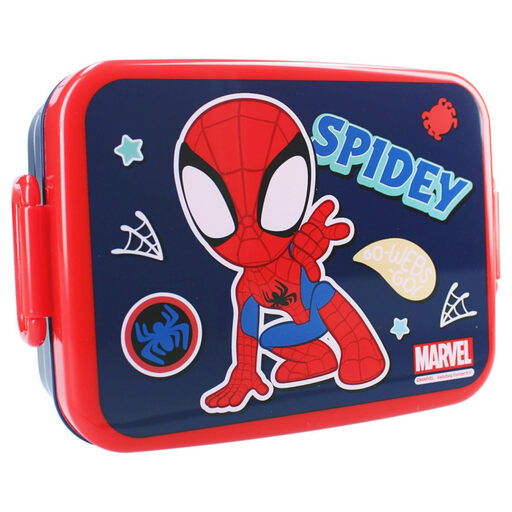
Why we love it: Perfect for kids who want to take their favourite hero to school. The Spidey design makes mealtime more fun and motivates even the most reluctant eaters to finish their snack.
Its two-sided clip closure system is very simple for little hands to operate. No more frustration with lids that are impossible to open alone!
Its official Spidey design and compact dimensions (16 x 13 x 5 cm), perfect for slipping a snack or a small meal into a school bag.
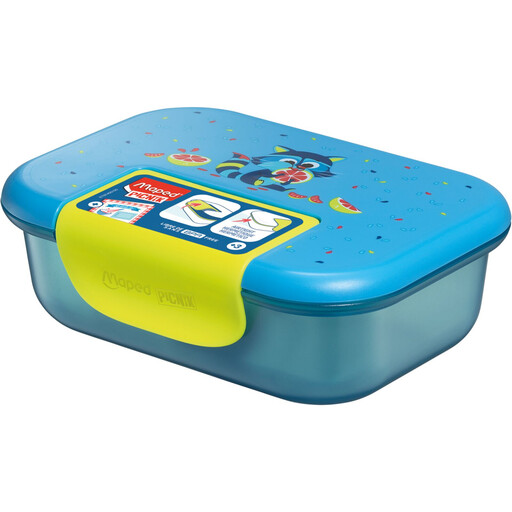
Why we love it: Designed for parents looking for a solution that is robust, healthy, and spacious for school lunches. Stainless steel stands out here as the durable alternative to plastic.
Its stainless steel base resists impacts, unlike low-quality plastics. The large, easy-to-spot clip is designed for independence and avoids the trap of overly tight closures.
Its large 900 ml capacity, its attached lid so it never gets lost, and its dishwasher-safe compatibility for effortless cleaning.
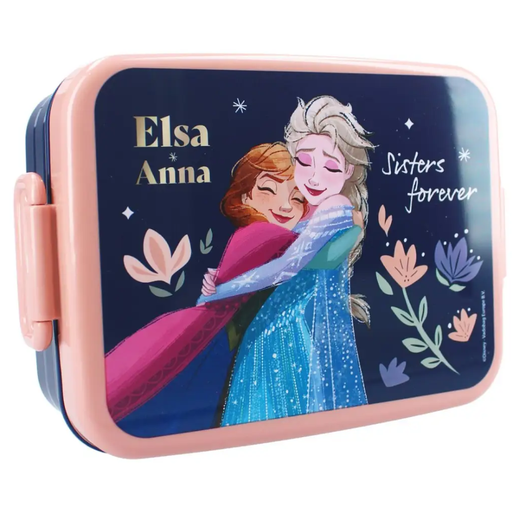
Why we love it: This is the ideal first kindergarten snack box. Its compact size and feather-light weight are perfectly suited for toddlers, not to mention the Frozen design which is always a hit.
Its two-clip closures are intuitive and require no force. Its simple, corner-free design makes cleaning much easier and prevents residue build-up.
Its official Frozen design, its light weight, and its ease of transport for a child from 3 years old. Also available in a PAW Patrol version in the same collection.
We have put together a complete selection of products that meet our strict safety and quality criteria.
For an effective clean, wash the box with hot water and soap right after use. If odours linger, let it soak for a few hours in a mixture of water and baking soda before rinsing thoroughly. Always let the box and its lid air dry completely, and separately, to prevent mould growth.
A stainless steel lunch box is indeed heavier than a plastic model. For a child aged 3 to 5, its weight can be a real drawback, especially if the box is large and full. In this case, a lightweight plastic model with a reasonable capacity, or a small stainless steel box reserved for snacks, will be a much better compromise.
The lifespan of a kids' meal box depends on its material and how heavily it's used. Inspect it regularly. It's time to replace it if you notice cracks in the plastic, if the seal is worn out, or if the closing mechanism is broken. A high-quality stainless steel model can last for several years, making it a more cost-effective investment in the long run.