
Livraison le jour même ou le lendemain

Qualité garantie

Débloquez vos offres de bienvenue: Livraison GRATUITE | Jusqu'à -80 % | 30 jours d'essai gratuits à JoyPlus
Téléchargez l'application
Finding the perfect gift for a child can quickly become a real headache. Between wish lists for Santa that change weekly, new products flooding the shelves, and our desire to give a gift that's fun, durable, and age-appropriate, it's easy to feel overwhelmed. Whether it's for a birthday, Christmas, or just because, the goal is always the same: to see their eyes light up.
As a product expert at Joybuy, my role is to help you navigate this jungle. Together, we'll break down the common pitfalls to avoid and the key criteria for making an informed choice, far from the siren call of marketing.
Before you start shopping, let's review the classic mistakes that turn an anticipated gift into a disappointment—for both you and the child.
To avoid falling into these traps, here are a few essential checkpoints before you head to the checkout.
Safety is the non-negotiable criterion. The CE mark on a toy certifies that the manufacturer complies with European Union safety standards. But beyond this logo, take the time to inspect the toy:
first-age toy): Check for any small, detachable parts that could pose a choking hazard.A good toy supports a child's development.
3-year-old toy): Prioritise toys that develop fine motor skills (building, lacing), imagination (figurines, costumes), and hand-eye coordination.A successful gift is one that gets used for a long time. Consider its versatility: can it be used alone or with others? Indoors and outdoors? Outdoor toys, like an adjustable kids' scooter, are often excellent choices because they encourage physical activity and grow with the child.
To put this advice into practice, here are a few ideas that tick all the boxes for different ages and personalities.
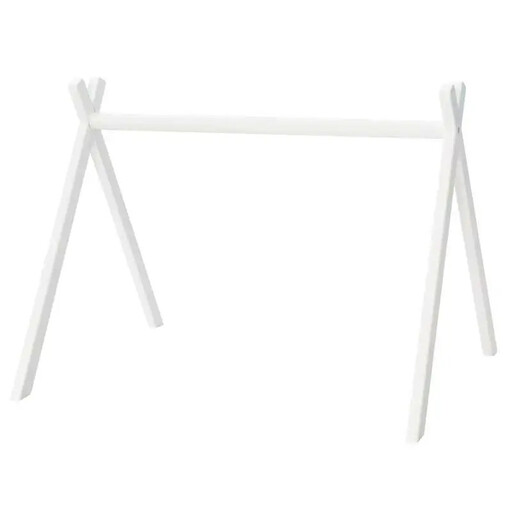
Why it's a great choice: Ideal for the first few months, this type of arch stimulates the senses and gross motor skills. The Montessori approach encourages autonomy and discovery at the child's own pace, making it an excellent first-age toy.
Unlike an overstimulating electronic toy, this wooden arch is a timeless classic. It encourages imagination and can be customised with different rattles, thus preventing boredom.
Promotes hand-eye coordination and mobility from the very first months. Its wooden structure is durable and its surfaces are easy to clean.
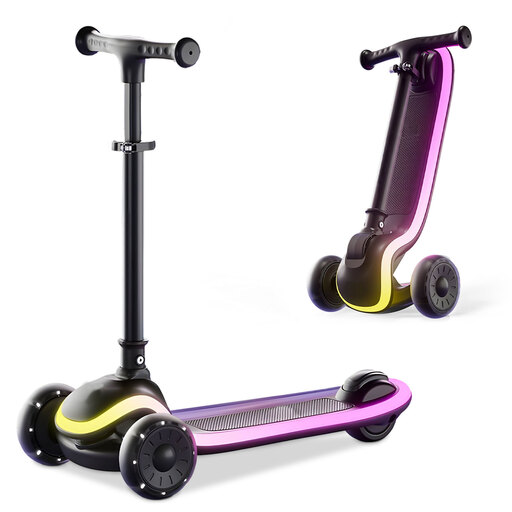
Why it's a great choice: Perfect for active children who love outdoor play. A scooter encourages balance, coordination, and independence—key skills for this age group.
This isn't a toy that stays in its box. Its adjustable height allows the scooter to grow with the child, ensuring several years of use and avoiding the "outgrown in 6 months" syndrome.
Foldable for easy storage, with an adjustable height and light-up wheels that add a fun touch while enhancing visibility.
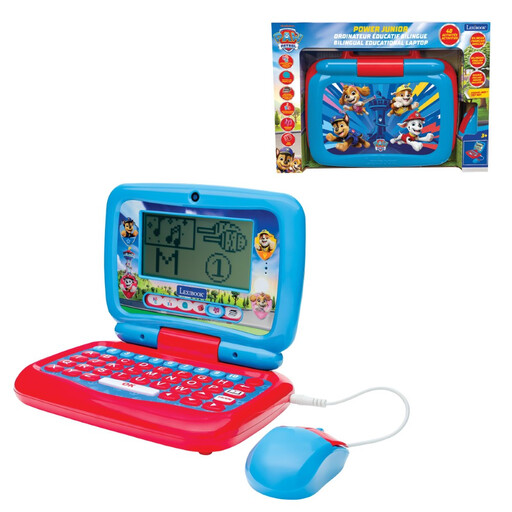
Why it's a great choice: An excellent birthday gift idea for children interested in letters, numbers, and logic, all in the company of their favourite heroes. It's a comprehensive educational toy.
With 100 activities and various difficulty levels, it offers a learning path that holds interest far longer than a simple gadget. The bilingual feature adds real long-term value.
100 activities (French/English) covering language, maths, logic, and music. Its design, inspired by a real laptop, makes it particularly appealing.
We've put together a complete selection of products that meet our quality criteria and European safety standards.
Always check for the CE mark. Inspect the product for sharp edges or small parts that could detach, especially for toddlers (under 3 years old). Read the safety warnings provided by the manufacturer.
Three-wheeled models are generally suitable from age 2 or 3, as they offer better stability. For two-wheeled models, it's often recommended to wait until age 4 or 5, when the child's balance is more developed. In any case, wearing a helmet is non-negotiable.
A first-age toy (or developmental toy) is for babies (usually 0-2 years). It aims to stimulate their senses (touch, sight, hearing) and their gross motor skills. An educational toy, on the other hand, is for slightly older children (from age 3). Its purpose is to introduce more specific concepts like letters, colours, shapes, or logic, always through play.