
Livraison le jour même ou le lendemain

Qualité garantie

Débloquez vos offres de bienvenue: Livraison GRATUITE | Jusqu'à -80 % | 30 jours d'essai gratuits à JoyPlus
Téléchargez l'application
Finding the right kids' gift can quickly become a headache. Between evolving wish lists, a flood of new products on the market, and the desire to give a memorable gift, it's easy to feel lost. Yet the goal is simple?: to see their eyes light up, not a toy abandoned in a corner after just one week.
However, certain pitfalls can turn a good intention into a regrettable purchase. Before you start your quest for the perfect birthday gift idea or kids' Christmas gift, here are the common traps to watch out for.
To navigate the jungle of kids' toys, just keep a few objective criteria in mind. These benchmarks will help you assess a product's quality and relevance, far beyond the marketing hype.
Your first instinct should be to check for the CE marking. Contrary to popular belief, this isn't a quality seal, but a declaration from the manufacturer that the product meets the safety requirements set by the European Union. For toys, the reference standard is EN 71. It guarantees the product has been tested on several critical aspects?:
This simple check is an essential first step to weed out potentially dangerous products.
A successful gift is one that lasts. Prioritise products that can grow with the child. The best example is a convertible balance bike that transforms into a small kids' bike with removable pedals. Similarly, a building set with endless possibilities will stimulate creativity for much longer than a single-function toy.
This approach not only ensures you get your money's worth but also offers the child a challenge that keeps pace with their progress, maintaining their interest over the long term.
The recommended age is an indicator, but it shouldn't be your only criterion. Observe the child?: are their motor skills well-developed? Do they show patience and concentration? Are they drawn to creative activities or more to outdoor play?
A hands-on 4-year-old might thrive with a simple, easy-to-use first kids' camera, while another of the same age, full of energy, would get more out of a three-wheeled kids' scooter to develop their balance. Thinking in terms of skills and interests, rather than just age, is the key to getting it right.
To put theory into practice, here are a few ideas that check all the boxes?: safety, durability, and play potential, for different types of children.
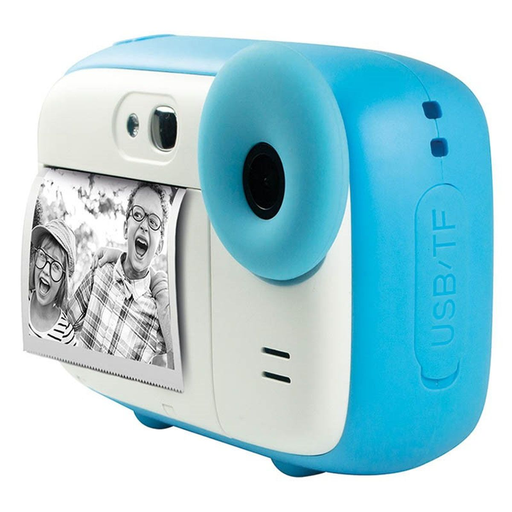
Why it's a great fit for this profile : Ideal for kids who love to create and see a tangible result. This kids' camera combines digital capture with the immediate fun of paper printing, encouraging experimentation and sharing.
Unlike a purely digital toy, the instant black-and-white printing provides a physical object to collect, display, or give away. This gives it far more longevity than a simple tech gadget.
Ink-free thermal printing technology is both safe and clean. It also records Full HD video and has a selfie mirror to make self-portraits easy.
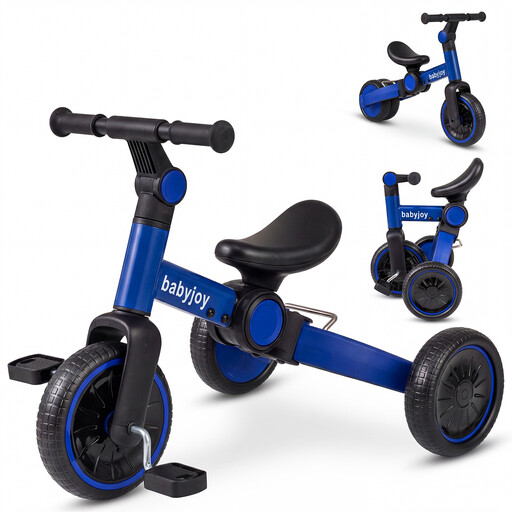
Why it's a great fit for this profile : Perfect for young children who are full of energy and refining their motor skills. It supports them as they learn to balance and encourages safe outdoor play.
Its 5-in-1 design makes it a long-lasting investment. It transforms to adapt to the child's growth and progress, saving you from buying a new product every year.
Highly versatile : it can be used as a tricycle, balance bike, or pedal bike. The removable pedals and adjustable seat ensure a perfect fit for the child's size and skill level.
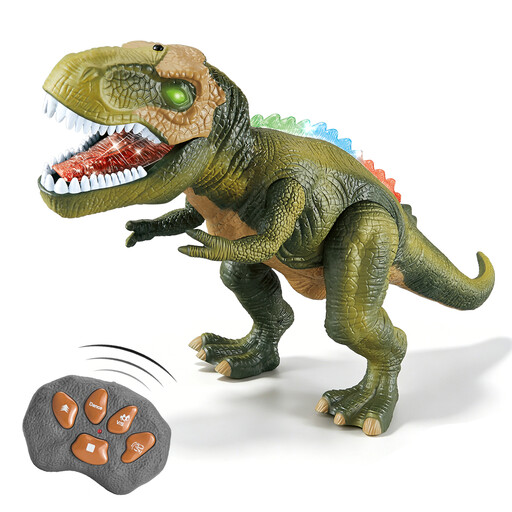
Why it's a great fit for this profile : For kids fascinated by dinosaurs, this interactive toy brings their passion to life. The remote control gives them full command and sparks their imagination for hours of Jurassic adventures.
This is no mere static figurine. Its multiple functions (walking, roaring, dancing, lights) and remote control offer varied play scenarios that keep it engaging.
A feature-packed remote-controlled dinosaur with realistic sound and light effects for total immersion. It is made of durable, non-toxic vinyl.
We've compiled a comprehensive list of products that meet our demanding selection criteria and current safety standards.
A balance bike is generally recommended around age 2 or 3. It's ideal for helping a child develop their sense of balance intuitively and playfully. Once the child masters the balance bike and feels comfortable, usually between ages 3 and 5, they are ready for their first pedal bike. The transition is often smooth, without needing training wheels.
The first indicator is the CE marking, which must be visible on the product or its packaging. Next, strictly follow the minimum age recommended by the manufacturer, especially for children under 36 months, due to the choking hazards associated with small parts. Finally, trust your common sense?: inspect the toy for any sharp edges, poorly secured components, or a construction that seems flimsy.
Models designed specifically for children are built to withstand rough handling. They often feature protective silicone or robust plastic shells to absorb impacts. A kids' camera like the AgfaPhoto model uses thermal printing technology, which eliminates the need for fragile and messy ink cartridges, making it both more durable and easier for a budding photographer to use.